Tanzania is universally regarded as one of the finest birdwatching destinations in Africa and the world. With more than 1,100 recorded bird species, including an extraordinary concentration of endemic and near-endemic birds, Tanzania offers unmatched diversity across a stunning range of habitats. From montane forests and ancient Eastern Arc Mountains to vast savannas, wetlands, soda lakes, coastal forests, and remote southern wilderness areas, birding in Tanzania is endlessly rewarding.
At Kiliclimb Africa Safaris, we design expertly guided Tanzania birdwatching and birding safaris that combine exceptional avifauna, iconic wildlife, cultural encounters, and comfortable travel. Whether you are a serious birder chasing endemics, a photographer seeking dramatic compositions, or a nature lover wanting to experience Africa beyond the usual safari, our birding tours are crafted to deliver depth, authenticity, and unforgettable experiences.
Tanzania’s geographical position and ecological diversity place it at the crossroads of multiple biogeographical zones.
This results in:
Few destinations allow you to observe endemic forest specialists in the morning and vast savanna raptors, cranes, bustards, and waterbirds in the afternoon all within a single country.
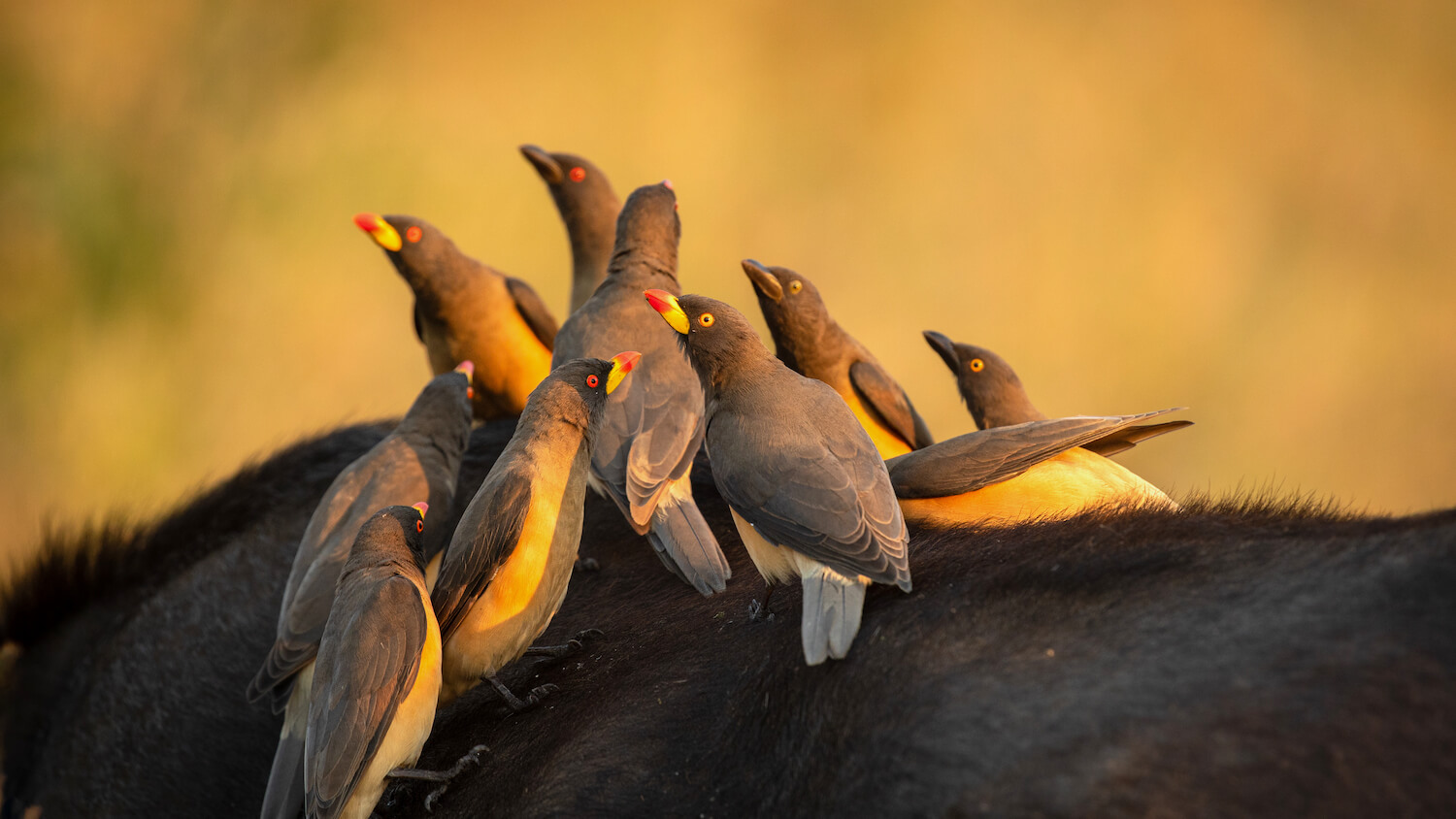
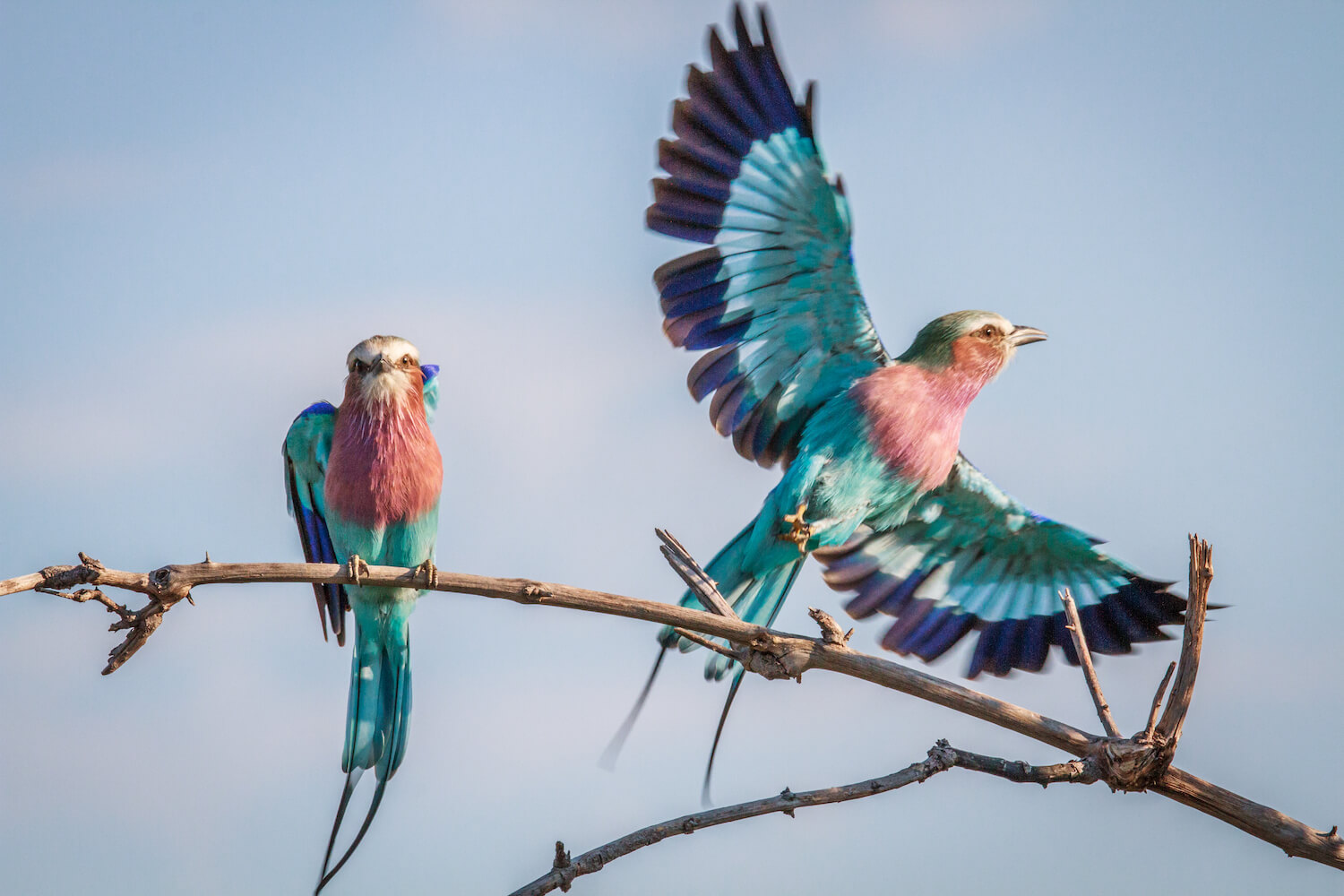
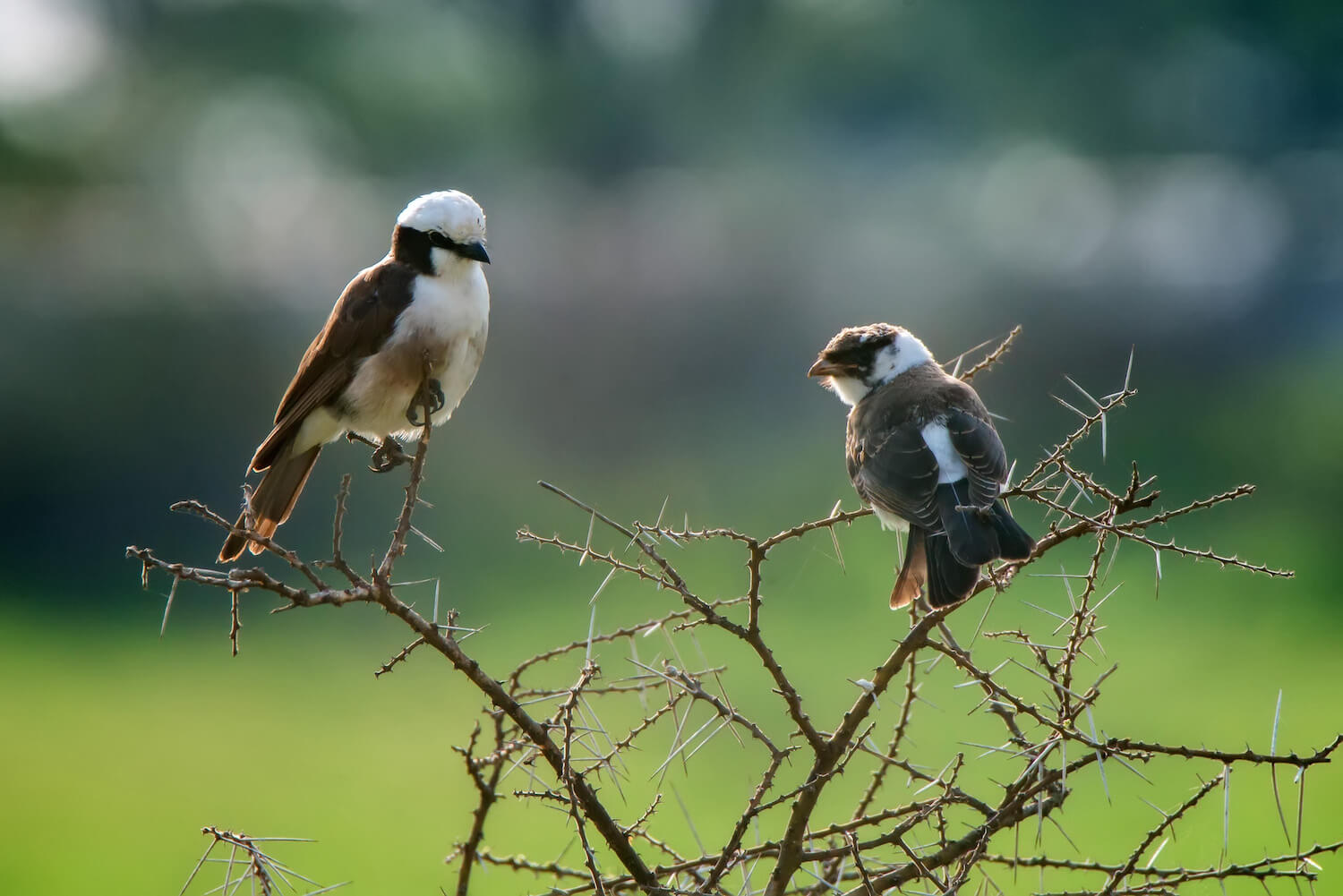
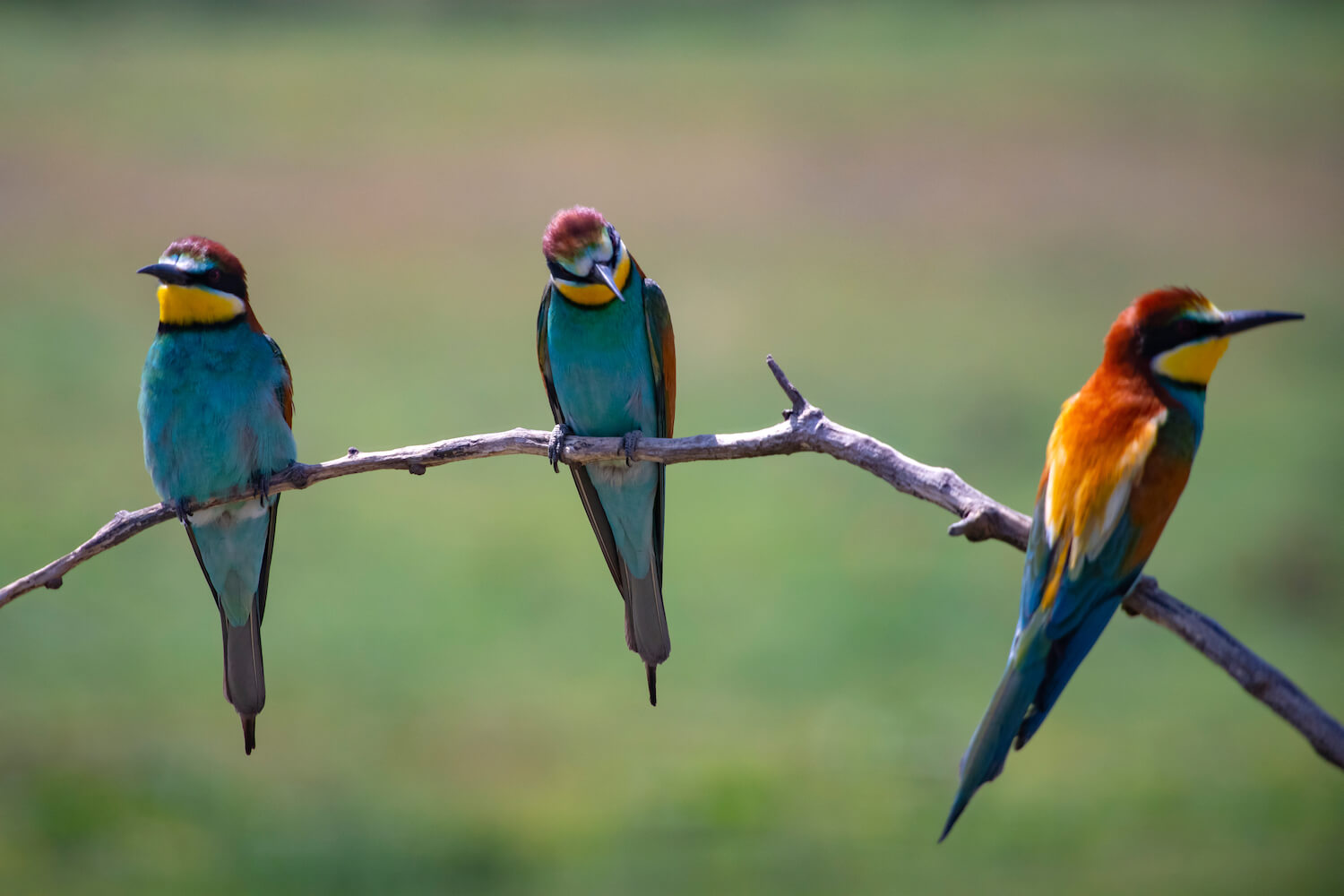
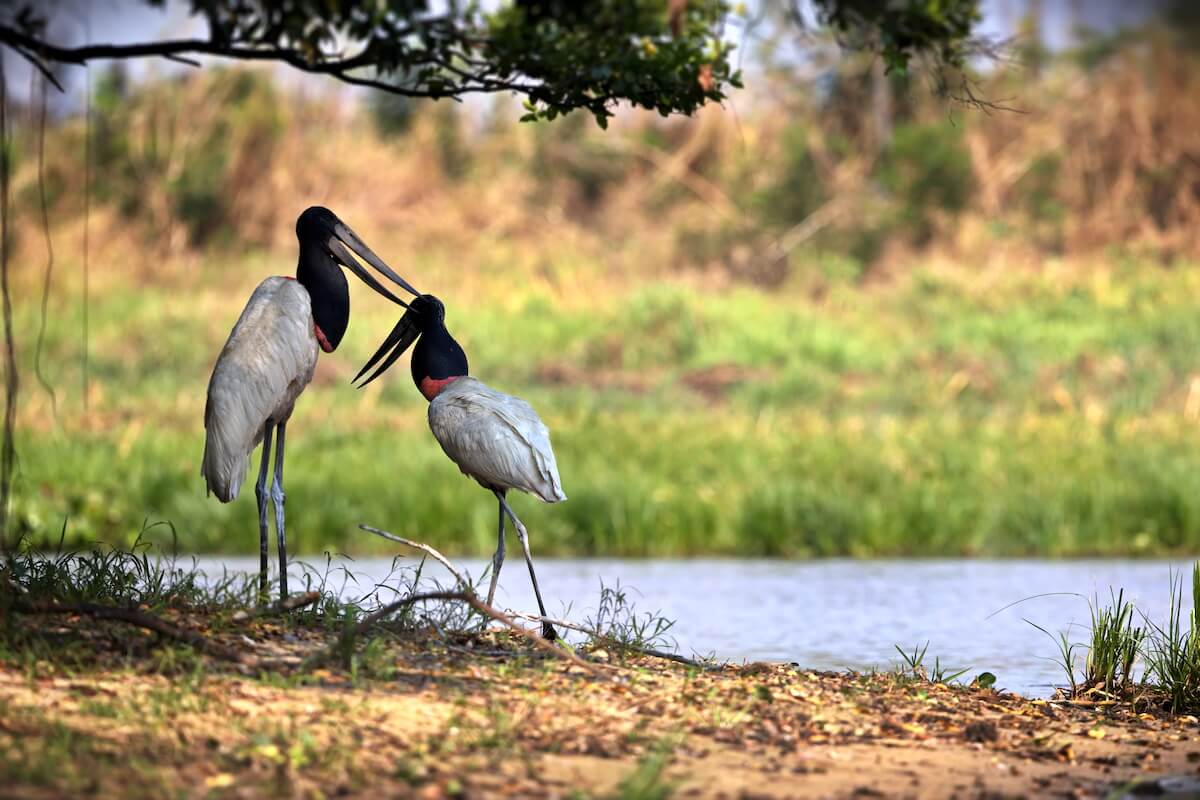
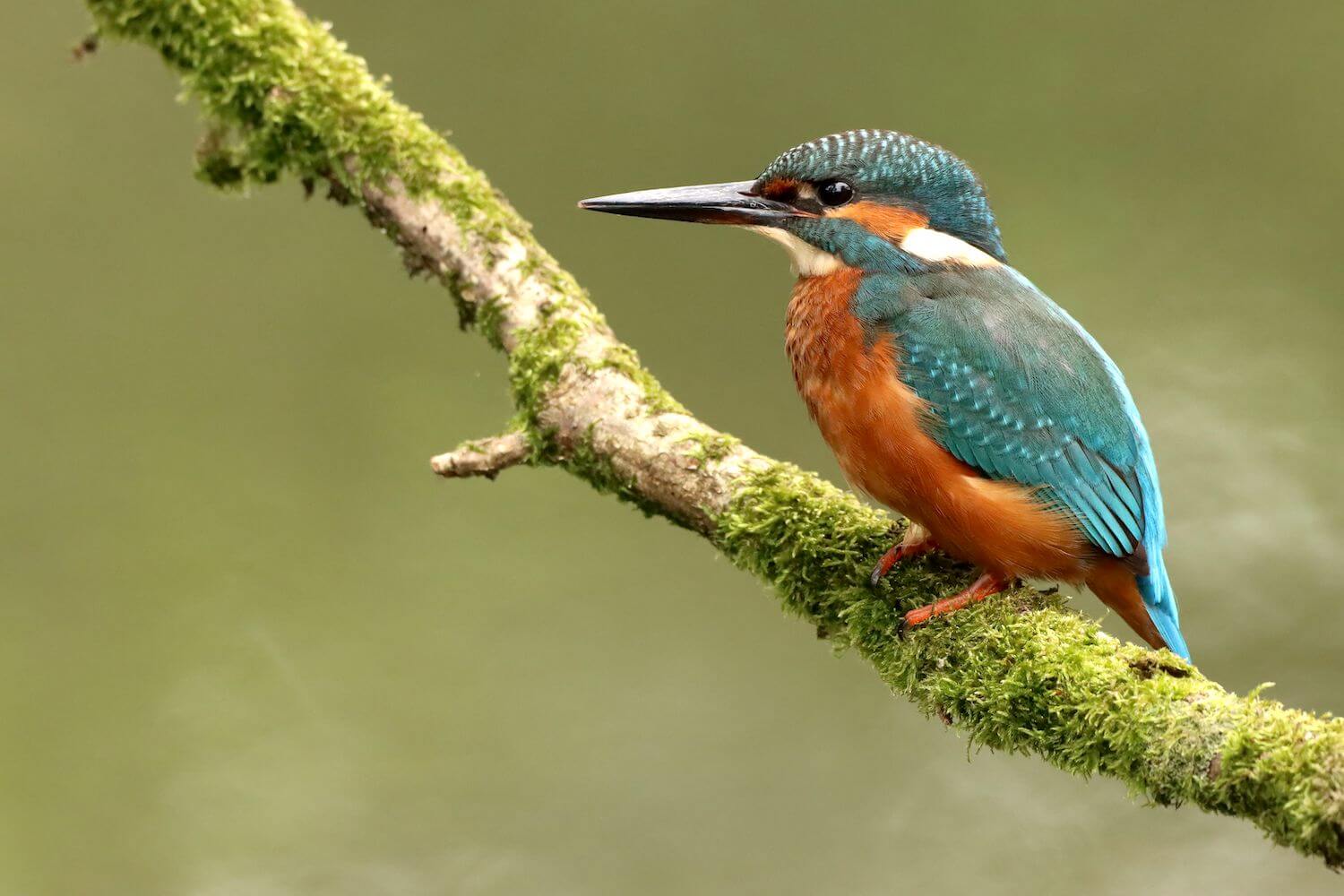
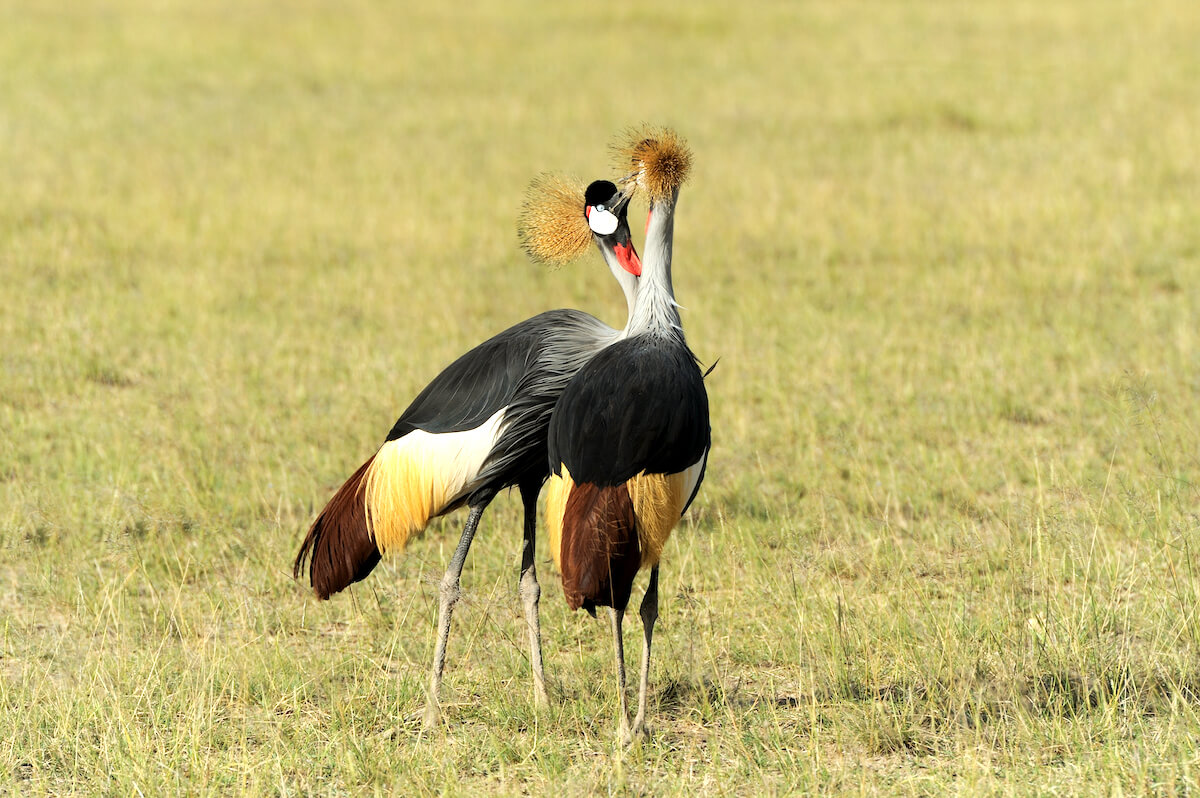
Our Tanzania birding and wildlife safaris are carefully paced to maximize bird activity, comfort, and enjoyment. Most days begin early, often before dawn, with breakfast taken prior to departure or served in the field. Bird activity peaks in the cool hours of early morning, and starting at first light allows us to observe birds at their most vocal and active.
The pace of the safari is relaxed and unhurried. Much of the birding is conducted from the vehicle, which is ideal for scanning open habitats, wetlands, and savannas. This approach also makes the safari accessible to participants of varying fitness levels. On warmer days, we often pause for a midday siesta, resting during the quietest hours before resuming birding in the late afternoon when activity increases again.
Evenings are typically spent at comfortable lodges or camps. During leisurely dinners, guests and guides discuss the day’s highlights, review species lists, share photographs, and plan the following day’s activities. On select nights, optional nocturnal excursions are offered to search for owls, nightjars, and other nocturnal species, adding an exciting dimension to the birding experience.
Meals on safari are thoughtfully planned to balance quality, convenience, and time in the field:
Bottled drinking water is provided throughout the day, ensuring hydration in Tanzania’s warm climate.
Most birding days involve substantial time in the vehicle, allowing us to cover diverse habitats efficiently. We use custom-built Toyota Land Cruisers, specifically designed for safari travel. These vehicles feature pop-up roofs that allow guests to stand comfortably, providing unobstructed views for birdwatching and photography.
We make frequent stops at clean toilet facilities whenever available. However, in remote areas, bathroom breaks may occasionally need to be taken in nature where facilities do not exist. Safety is always prioritized, and guides carefully select appropriate locations.
Our lodge-to-lodge safari format allows guests to experience different ecosystems and birding regions, though some travel days can be long. Roads may be dusty or bumpy, particularly in remote areas, which is part of the authentic safari experience.
Although birding is primarily vehicle-based, short walks add valuable variety to the safari. Early morning walks around lodge grounds are often excellent for forest and garden species. The longest scheduled walk occurs in Endoro Forest, covering approximately 3 km (2 miles) roundtrip and taking 3–4 hours, including birding stops. The route includes an uphill section but is undertaken at a slow, manageable pace with frequent pauses.
We stay in mostly good-quality lodges and camps, many located in outstanding birding areas. Some accommodations are tented camps, featuring spacious permanent tents with proper beds, private bathrooms, and indoor plumbing. These camps offer an immersive nature experience while maintaining a high level of comfort.
Tanzania’s climate varies widely by region and altitude. Our birding routes pass through montane forests, vast grasslands, arid plains, and expansive wetlands. Short but sometimes heavy rain showers can occur at any time of year, particularly during the wet season. Humidity may occasionally be noticeable, especially in coastal or lowland regions.
These conditions contribute to lush habitats, breeding activity, and exceptional bird diversity. Please note that itineraries serve as guides and may change due to accommodation availability, road conditions, weather, bird movements, or guide discretion.
 Expect innumerable spectacular photographic opportunities throughout the safari.
Abbott’s Starling, African Tailorbird, Amani Sunbird, Athi Short-toed Lark, Bar-tailed Trogon, Black-lored Cisticola, Böhm’s Spinetail, Broad-tailed Paradise Whydah, Brown-breasted Barbet, Brown-necked Parrot, Chestnut-fronted Helmet-shrike, Dappled Mountain Robin, Fischer’s Turaco, Friedmann’s Lark, Fülleborn’s Boubou, Golden-breasted Starling, Green Tinkerbird, Green-headed Oriole, Karamoja Apalis, Kenrick’s Starling, Kungwe Apalis, Lappet-faced Vulture, Livingstone’s Flycatcher, Long-billed Tailorbird, Long-tailed Fiscal, Marsh Tchagra, Montane Marsh Widowbird, Pale-billed Hornbill, Pallid Honeyguide, Red-faced Barbet, Red-throated Tit, Schalow’s Wheatear, Sharpe’s Akalat, Sokoke Pipit, Sokoke Scops Owl, Spot-throat, Stripe-faced Greenbul, Swynnerton’s Robin, Tanzania Masked Weaver, Taveta Golden Weaver, White-headed Mousebird
Birdlife in Tanzania is rewarding year-round, but the prime birding season runs from November to April. During this period, Palearctic and intra-African migratory birds are present, significantly increasing species diversity. Many resident species are in full breeding plumage and actively nesting, making this an exciting time for observation and photography.
This period coincides with the Wet Season (November–May), which is also the hottest time of the year. Coastal regions can be particularly warm. The wettest months are March to May, when some regions experience daily rainfall. While rain may occasionally affect road conditions, it transforms landscapes into lush, green habitats rich in flowers, insects, and bird activity.
For travelers focused on large mammals alongside birding, the Dry Season (June–October) offers easier driving conditions and higher concentrations of wildlife around water sources.
Although many endemic species require visits to remote forests and highland regions, Tanzania’s iconic parks also offer outstanding birding.
Arusha National Park
⭐ 4.1 / 5 – 77 Birding Ratings
A compact park with exceptional habitat diversity and over 400 recorded bird species.
Tarangire National Park
⭐ 4.4 / 5 – 255 Birding Ratings
Renowned for dry-country specials, raptors, and large elephant populations.
Lake Manyara National Park
⭐ 4.1 / 5 – 223 Birding Ratings
Excellent for waterbirds, forest species, and Rift Valley endemics.
Ruaha National Park
⭐ 4.4 / 5 – 60 Birding Ratings
Remote, species-rich, and ideal for southern Tanzanian specials.
Serengeti National Park
⭐ 4.5 / 5 – 398 Birding Ratings
Outstanding year-round birding combined with iconic wildlife spectacles.
Ngorongoro Crater
⭐ 4.3 / 5 – 409 Birding Ratings
Remarkable density of birds and mammals in a unique volcanic setting.
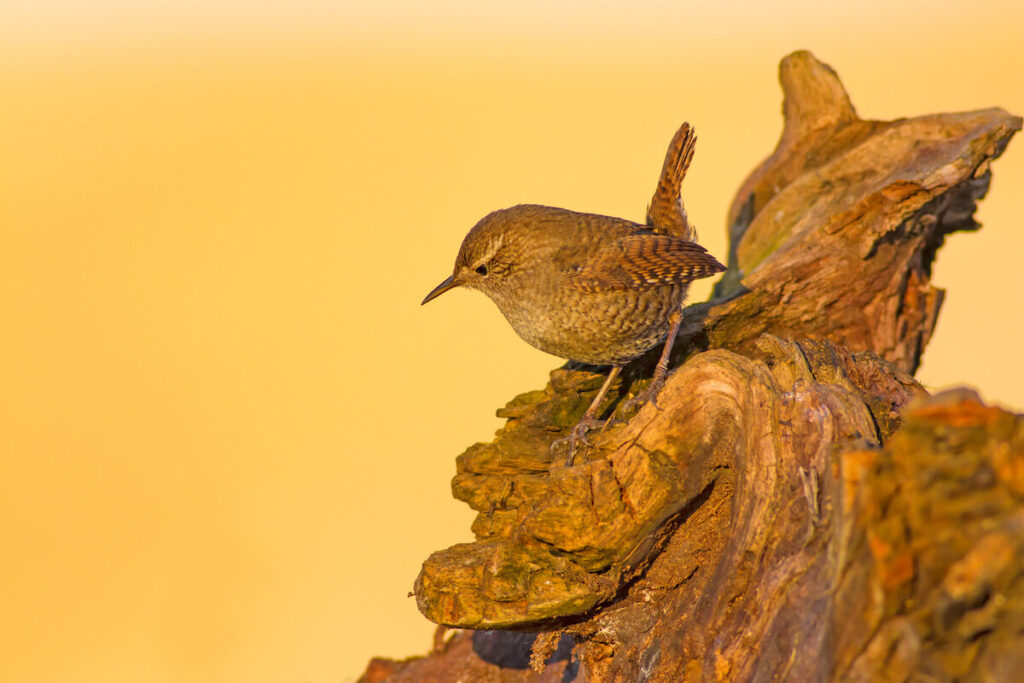
Birds of East Africa: Kenya, Tanzania, Uganda, Rwanda, Burundi
Terry Stevenson & John Fanshawe – The only complete Tanzania field guide.
eGuide to Birds of East Africa (App)
Comprehensive digital companion for birding in Tanzania.
What our Client Say
EXCELLENTVerified The best, most thoughtful and memorable hiking tour I went with my dad on the 8 day Lemosho Route Kilimanjaro climb with Kiliclimb, and Moses and his team put together an absolutely incredible trip! Everything was flawless from start to finish, from the organization and service to the guides, crew, and overall experience.Our guides (Baraka and Godson) were the best and genuinely so kind and caring, checking in constantly and even doing daily wellness checks. They provided daily briefings and always clearly communicated what was ahead. What stood out to me even more was hearing the guides talk about how great Moses is and how much they enjoy working for him. That says a lot about the company and, in my opinion, really matters when choosing an outfitter!The food was spectacular the entire trip and clearly planned with altitude in mind. We had the best soup every day, plus amazing fish, chicken, beef, and yes, even pizza! The whole team was remarkable and so tuned into our needs, including setting up a private bathroom tent, which was a huge comfort.Moses went above and beyond personally as well. Before the trip, he reviewed my gear and flagged that I did not have warm enough layers for summit day, then loaned me a jacket and pants so I was properly prepared. He also arranged transportation to and from the airport, making it truly feel like a full package experience.I could not have asked for a better Kilimanjaro climb, and I highly, highly recommend Kiliclimb to anyone considering the mountain!Posted onVerified Kili, wow I did it. Großartige Tour mit einem tollen Veranstalter. Sehr gute Betreuung von einem perfekt vorbereitetem, zuverlässigen erfahren Team. Kann ich nur empfehlen, war sehr spaßig und voller neuer, schöner Eindrücke trotz Anstrengung, die eine Tour auf einen 5895 Meter hohen Berg, mit sich bringt.Posted onVerified Great communication, reliable service, good value for money and an unforgettable Kilimanjaro tour. Our Kilimanjaro tour was an incredible experience, made truly unforgettable by a mature, highly reliable, trustworthy, friendly, positive, and very experienced team.”Posted onVerified The best Guide for Kilimanjaro and safari in Africa My friend and I did 6 days Kilimanjaro Climb via The Machame Route for 6 days and The whole Team was Super Helpful and Friendly from Answering our queries 24/7 available to Day one to day 6 everything went really Smoothly and professionally!! We got Top notch Service and you could tell that they really care and passionate about their job !! I would highly recommend this company to anyone who wants the best experience in Tanzania and on mountain KilimanjaroPosted onVerified Amazing Local Company A friend and I went on a 4-day private safari through Tarangire, Ngorongoro Crater, and the Serengeti, and it was absolutely incredible. From start to finish, the Kiliclimb staff exceeded our expectations. After completing our Kilimanjaro trek, we were staying at a hotel in Arusha and were greeted by the team and picked up directly from the hotel, which made the transition seamless and stress-free.We were incredibly lucky to have Ombeni as our guide. Thanks to his deep knowledge of the parks and strong relationships with other guides and rangers, we saw every animal we hoped for. He constantly checked in with us, asking for feedback and what we wanted to focus on each day, which made the experience feel truly personalized.Ombeni was funny, kind, and genuinely made the trip unforgettable. And don’t sleep on his photography skills, he’s seriously talented! We couldn’t recommend this local company more. They also gave us t-shirts and safari hats which was a nice touch!Posted onVerified Unforgettable 4-Day Adventure – Onbeni is a Legend! Our 4-day trip through the Serengeti, Ndutu, and Ngorongoro was the highlight of our travels, and that is entirely thanks to our guide, Onbeni.From the start, Onbeni brought a high-energy, positive vibe that made every game drive an adventure. His "superpower" is undoubtedly his eyes—his ability to spot wildlife is incredible. The absolute highlight was when Onbeni was the first to spot a rare leopard, giving us a private viewing before any other vehicles arrived!We also spent an unforgettable time driving alongside the Wildebeest migration, witnessing the magic of the newborn babies in Ndutu. Onbeni’s professionalism and deep knowledge of the land made us feel safe and informed throughout. If you want a guide who is professional, energetic, and has a "sixth sense" for finding animals, ask for Onbeni!Posted onVerified 5/5 stars! 5/5 stars! This Tanzania safari local agency made our trip absolutely unforgettable. Our guide was super knowledgeable about wildlife—we spotted the Big Five smoothly and he shared fascinating facts about animals and local culture. The 4x4 jeep was comfortable, transfers were on time, and the lodges were clean with great food. No hidden fees, flexible schedule, and the team cared about every detail. 100% recommend for an amazing African safari experience!Posted onVerified Great experience! Kiliclimb organized an extremely wonderful safari overall. Our expectations were exceeded by far. From the organization, to the hospitality, to the experiences, accommodations, and personal relationship with our guide Ombeni. Ombeni did an outstanding job. He knew every national park very well and knew exactly where we could observe animals. He was very friendly and always responded to our needs. You couldn't ask for a better guide than Ombeni at your side. Communication with the Kiliclimb management also worked wonderfully. We would recommend a safari with Kiliclimb at any time. Asante sana!Posted onVerified Once-in-a-lifetime experience Our safari tour was a unique experience! We didn't expect to see so much! We saw the Big Five, we saw a wildebeest migration, we saw the birth of a wildebeest calf and much more. Our guide, Ombeni, accompanied us for seven days and made so much possible for us. His flexibility, warmth and knowledge were invaluable. We felt very comfortable and highly recommend Kiliclimb! Thank you for everything. Asante sana!Posted onVerified Unforgettable 7-day safari with Kiliclimb Safari – highly recommended! Our 7-day personalized safari with Kiliclimb Safari was simply fantastic and exceeded all our expectations. Thanks to our great guide Ombeni, the best guide you could wish for, we saw and learned an incredible amount. Every day was a new highlight!The tour was superbly organized, everything ran smoothly and professionally. The contact with Janeth via WhatsApp was particularly good. She was always available, extremely helpful, and always responded quickly and friendly. You feel well taken care of from the very beginning.We would book this safari again anytime and can recommend Kiliclimb Safari and Ombeni 100%. A unique experience that we will never forget!


















+255 768 735 700 (Managing Director)
+255 764 117 423 (Founder & Expert Guide)