When you embark on a Kilimanjaro climb with Kiliclimb Africa Safaris, the food you consume plays a crucial role in powering your journey. Regardless of the Kilimanjaro route you choose, maintaining the right diet can significantly improve your climbing experience and success rate.
A well-balanced diet also helps alleviate symptoms of various ailments, including altitude sickness. Let’s explore why proper nutrition and hydration are vital at high altitudes:
Essential Energy Source
The food you eat provides the energy needed for the physically demanding climb up Mount Kilimanjaro. Meals should be rich in carbohydrates, the body’s primary source of energy, to keep you fueled throughout your ascent.
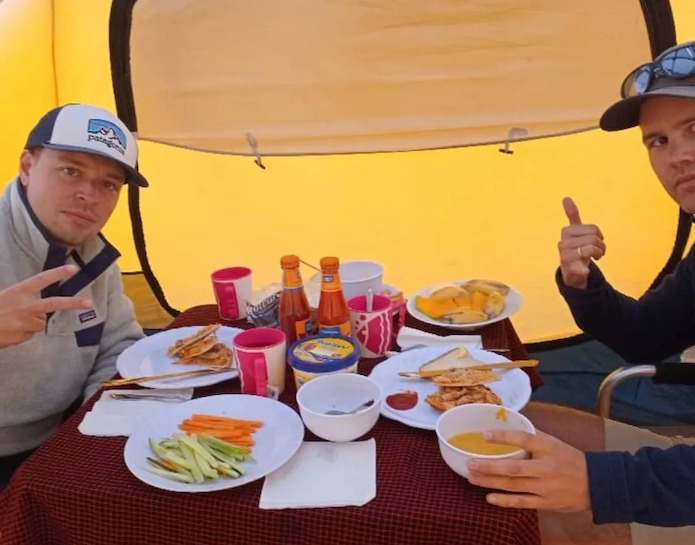
Hydration Maintenance
Adequate water intake is vital for staying hydrated and helping prevent altitude sickness while climbing Kilimanjaro’s majestic peaks.
Boosting Metabolism
At high altitudes, your metabolic rate increases, causing your body to burn calories faster. Therefore, it’s important that your Kilimanjaro meals are high in calories to meet your elevated energy needs.
Managing Altitude Sickness
Proper nutrition and hydration can also help reduce the symptoms of mild altitude sickness, a common issue among climbers. While not usually dangerous, altitude sickness can impact your climbing performance, making good food and hydration essential for a successful climb.
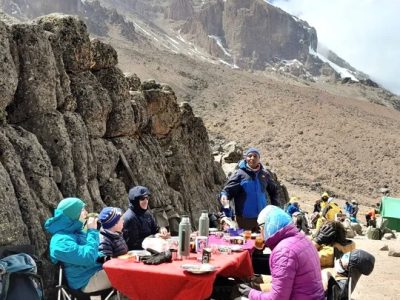
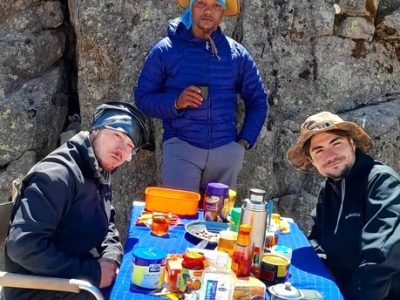
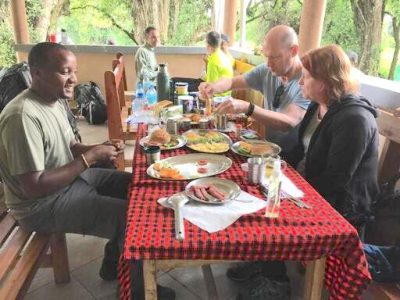
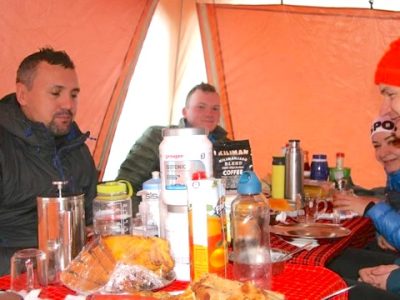
When you climb Kilimanjaro with Kiliclimb Africa Safaris, you’ll be supported by a dedicated mountain crew that ensures your daily needs are met. Our experienced team includes a skilled cook and an assistant, both experts in preparing delicious and nutritious meals for your adventure. Our unique meal plan includes three substantial meals each day, along with snacks and hot drinks. Here’s what you can expect from our Kilimanjaro food offerings:
An energizing breakfast is crucial for fueling your climb. Our morning menu features:
To keep you satisfied until lunch, we provide hot beverages and biscuits—ideal snacks for the climb.
Our approach to lunch varies by day:
After reaching camp, we serve a light pre-dinner snack including hot beverages, popcorn, and biscuits—perfect for a Kilimanjaro climb.
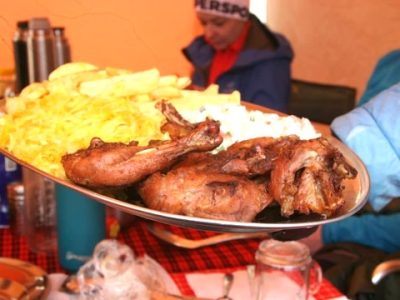
Dinner: At the end of an exhilarating day, enjoy a hearty dinner that varies nightly. Dishes may include spaghetti with chicken and vegetables, beef with potatoes, or spinach-stuffed avocados.
At Kiliclimb Africa Safaris, water is just as essential as the food you’ll enjoy during your Kilimanjaro ascent. Our dedicated mountain staff collects water from local streams and purifies it with tablets, which might slightly alter its taste. Staying hydrated is crucial for a successful climb, and we recommend drinking at least three liters of water each day. If flavored infusions help you drink more water, feel free to use them!
During your daily treks, you'll need to carry your own water. We suggest bringing two types of containers:
To prevent your water bottle from freezing, consider storing it in a sock and keeping it close to your body, or store it upside down. For additional packing tips, consult our Kilimanjaro Packing List to enhance your climbing experience.
Carbohydrates are crucial for endurance, especially on the demanding climb up Mount Kilimanjaro. They:
Our Kilimanjaro food menu is designed with a focus on carbohydrates like rice, pasta, and potatoes. At high altitudes, the body naturally relies more on carbohydrates because proteins and fats are less efficiently absorbed. Ideally, carbohydrates should make up 60% or more of your calorie intake. A high-carb diet not only fuels your climb but also aids in altitude acclimatization and can help alleviate symptoms of acute mountain sickness (AMS).
While our Kilimanjaro Climbing Packages provide a variety of meals and snacks, bringing some of your favorite snacks can be beneficial. They offer quick energy and a morale boost during challenging parts of your climb. Consider packing:
Ensure your snacks are packed in resealable, reusable bags to comply with Tanzania’s ban on single-use plastic bags. Organizing your snacks by day can also help streamline your eating during the trek.
In addition to snacks, consider bringing: - Electrolyte Packets:Gatorade, Nuun, or Rehidrat
These items can enhance your experience by addressing any changes in water taste and providing extra comfort.
To ensure a successful Kilimanjaro climb, keep these tips in mind:
Kiliclimb Africa Safaris: Fueling Your Kilimanjaro Adventure
Ascending Mount Kilimanjaro is a grand challenge that demands not only determination but also the right nourishment. At Kiliclimb Africa Safaris, we understand the crucial role that food and water play in your climb—mentally, physically, and emotionally. Our mission is to ensure that you are well-fed and energized throughout your journey to Uhuru Peak.
The food you eat on Kilimanjaro serves as the fuel for your ascent. Proper nutrition and hydration can significantly enhance your climbing experience and help mitigate altitude sickness. Here’s why good food and water are vital:
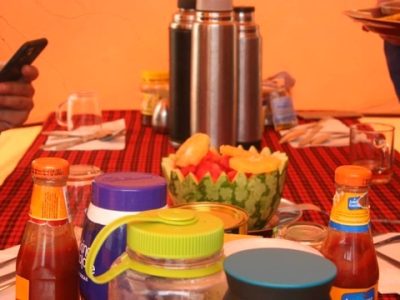
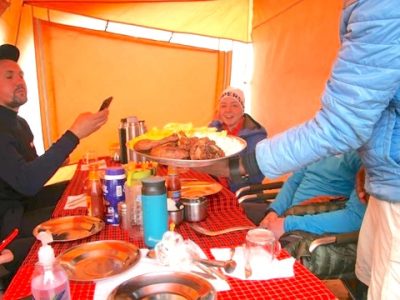
Our skilled mountain crew, including a seasoned cook and assistant, are dedicated to preparing delicious and nutritious meals. Here's a snapshot of what you can expect:
Kilimanjaro - Useful Information
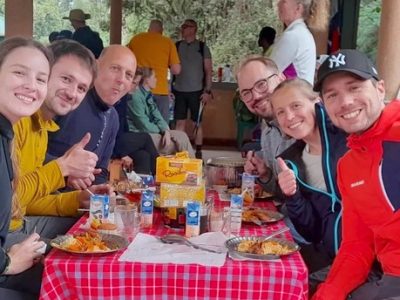
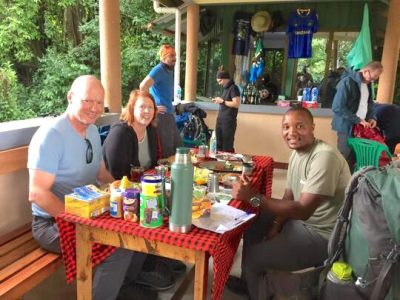
Day 1 on Kilimanjaro
Day 2: on mountain Kilimanjaro
Day 3: on Mountain Kilimajaro
Day 4: on Mountain Kilimanjaro
Day 5: On Mountain Kilimanjaro
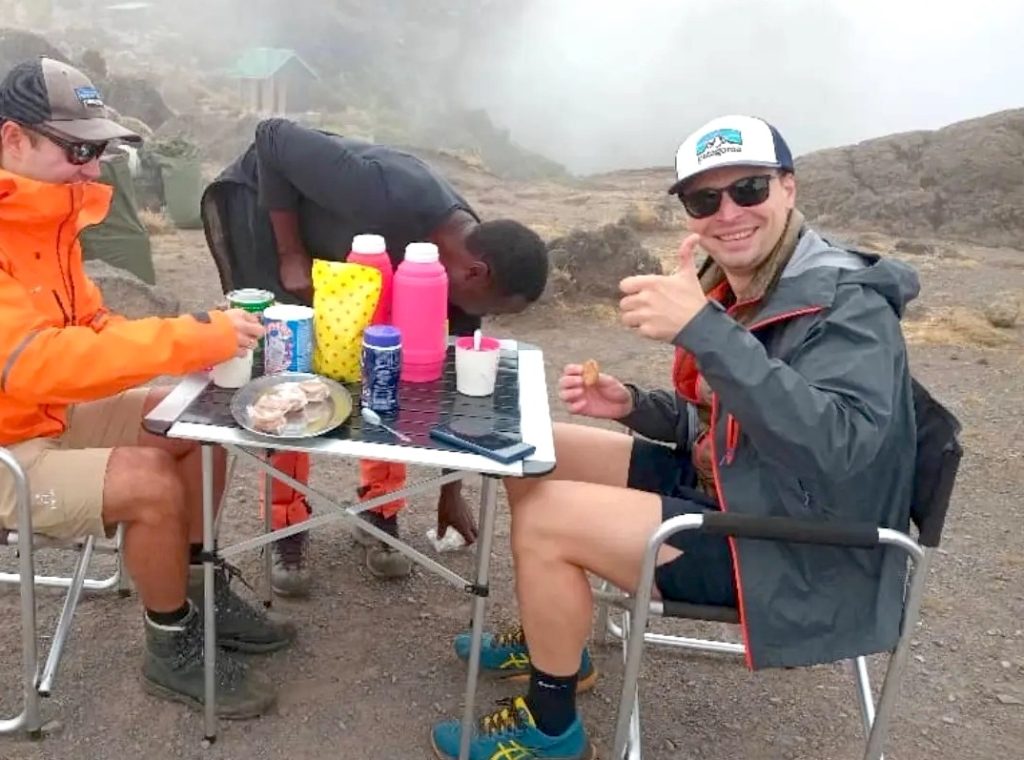
Snacks: While our packages include meals and snacks, bringing your favorite snacks can be beneficial. Ideal options include trail mix, candy bars, dried fruits, protein bars, and biscuits. Pack snacks in resealable, reusable bags to comply with Tanzania’s ban on single-use plastics.
Drinks: In addition to water, consider packing electrolyte packets (Gatorade, Nuun), flavor-enhancing sachets, and preferred herbal tea bags.
Snacks to Avoid: Avoid caffeinated snacks, alcohol, bulky foods, potential leak hazards, and perishable items unless consumed on the first day.

Fresh Food on Kilimanjaro
Our dedicated resupply runners ensure you have access to fresh produce even on extended expeditions. For instance, on the Lemosho route, fresh provisions are delivered to the Karanga Camp around day five, allowing you to enjoy fresh meat, fruits, and vegetables throughout your climb.
Experience the Kiliclimb Africa Safaris Difference
With Kiliclimb Africa Safaris, you can be confident that your Kilimanjaro food and hydration needs are well-cared for, enhancing both your climbing experience and overall adventure. For more information on our Kilimanjaro Climbing Packages and food services, refer to our Kilimanjaro Food Price List and Packing List.
Fuel your Kilimanjaro adventure with us—experience the difference in every bite!
What our Client Say


 Verified
 Verified
 Verified
 Verified
 Verified
 Verified
 Verified
 Verified
 Verified
 Verified