Tanzania stands among the world’s most celebrated safari destinations, offering an unmatched combination of breathtaking landscapes, vast wilderness areas, and extraordinary wildlife encounters. From the endless plains of the Serengeti to the spectacular Ngorongoro Crater and the wildlife-rich ecosystems of Tarangire and Ruaha, Tanzania provides visitors with some of the finest game-viewing experiences on Earth. At Kiliclimb Africa Safaris, we specialize in creating unforgettable safari adventures that bring travelers face-to-face with Africa’s most iconic wildlife species in their natural habitat.
Among the countless animals that roam Tanzania’s protected areas, none capture the imagination of safari enthusiasts quite like the famous Big Five. These remarkable animals—the lion, leopard, elephant, rhinoceros, and buffalo—represent the pinnacle of African wildlife viewing and remain the most sought-after sightings on any safari adventure. Observing these magnificent creatures in the wild is a thrilling experience that connects visitors to the untamed beauty and raw power of Africa’s natural world.
Whether you are embarking on your first safari or returning to Tanzania for another wildlife expedition, understanding the Big Five enhances your appreciation of the ecosystems, behaviors, and conservation efforts that make Tanzania one of the greatest safari destinations on the planet. This comprehensive guide from Kiliclimb Africa Safaris explores the history of the Big Five, where to find them, the best time to see them, and what makes each species truly extraordinary.
The Big Five consist of five iconic African wildlife species:
Although many people assume the term refers to the largest animals in Africa, the Big Five designation has a fascinating historical origin. Today, however, the phrase has evolved into a symbol of conservation, wildlife appreciation, and unforgettable safari experiences rather than hunting achievements.
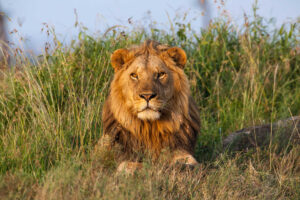
The African lion is perhaps the most recognizable and admired member of the Big Five. Revered as the “King of the African Savannah,” lions symbolize strength, courage, and dominance. Tanzania boasts one of the largest lion populations in Africa, making it one of the best countries in the world to observe these magnificent predators in their natural environment.
Unlike most big cats, lions are highly social animals that live in family groups known as prides. A typical pride consists of related females, their cubs, and a small number of dominant males. Female lions perform most of the hunting duties, working together with remarkable coordination and intelligence to capture prey. Their targets commonly include wildebeest, zebras, buffaloes, antelopes, and occasionally young giraffes or elephants.
During a safari with Kiliclimb Africa Safaris, visitors often witness lions resting beneath acacia trees during the heat of the day before becoming active during early mornings, late afternoons, and nighttime. The vast grasslands of the Serengeti provide ideal hunting grounds where lions can use the tall grasses as camouflage while stalking prey.
The Serengeti ecosystem is particularly famous for its large lion prides, some of which have been studied by wildlife researchers for decades. Seeing a pride of lions interacting, caring for cubs, or preparing for a hunt is one of the most memorable experiences available on an African safari.
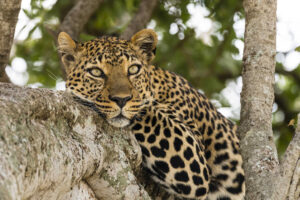
Among all members of the Big Five, the leopard is often considered the most difficult to spot. Solitary, secretive, and exceptionally intelligent, leopards are masters of camouflage and stealth. Their beautifully patterned coats allow them to blend seamlessly into trees, rocky outcrops, and dense vegetation, making every leopard sighting feel like a special privilege.
Leopards are primarily nocturnal hunters, preferring to move under the cover of darkness. They rely on patience, silence, and explosive speed rather than endurance. Once a leopard identifies a target, it stalks with incredible precision before launching a powerful ambush attack.
One of the leopard’s most remarkable behaviors is its ability to carry prey into trees. This unique adaptation protects their kills from scavengers such as hyenas and lions. Safari guests are often amazed to see antelope carcasses suspended high in acacia branches—a clear sign that a leopard is nearby.
The Serengeti National Park and the woodlands surrounding the Seronera Valley are among Tanzania’s premier locations for leopard sightings. Experienced guides from Kiliclimb Africa Safaris know exactly where to look, often spotting leopards resting on tree branches or hidden within dense riverine forests.
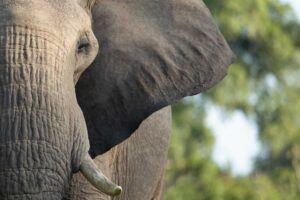
The African elephant is the largest land animal on Earth and one of the most emotionally captivating species encountered during a safari. Intelligent, social, and highly adaptable, elephants possess complex family structures and demonstrate behaviors that reveal remarkable emotional depth.
Elephant herds are led by experienced matriarchs who guide family members to food sources, water, and safe migration routes. These family groups often include mothers, daughters, sisters, and young calves, forming strong social bonds that can last for generations. Adult males usually leave family groups as they mature and either live independently or join small bachelor herds.
Watching elephants interact is one of the highlights of any Tanzania safari. Visitors frequently observe calves playing, mothers protecting their young, and herds communicating through low-frequency sounds that can travel long distances. Their intelligence and social behavior make them particularly fascinating subjects for wildlife observation.
Tarangire National Park is famous for its enormous elephant population and is often regarded as one of the best places in East Africa to observe large herds. During the dry season, hundreds of elephants gather near the Tarangire River, creating spectacular wildlife viewing opportunities.
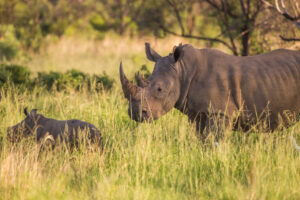
Rhinos are among the most endangered members of the Big Five and are often considered the most rewarding animal to spot during a safari. Their rarity makes every encounter exceptionally special. Tanzania’s black rhinoceros population has faced significant challenges due to poaching, but dedicated conservation programs have helped protect remaining individuals.
Black rhinos are browsers that feed on shrubs, branches, and leaves. Their distinctive hooked upper lip allows them to grasp vegetation efficiently. Despite their large size, black rhinos can move surprisingly quickly and are known for their unpredictable nature.
The Ngorongoro Crater offers one of the best opportunities in Tanzania to see black rhinos in the wild. The crater’s protected environment provides a safe refuge for these endangered animals and allows visitors a rare chance to observe them against one of Africa’s most spectacular natural backdrops.
For many travelers, seeing a black rhino completes the Big Five checklist and represents the pinnacle of a successful safari adventure. Kiliclimb Africa Safaris carefully designs itineraries that maximize opportunities to encounter this extraordinary species.
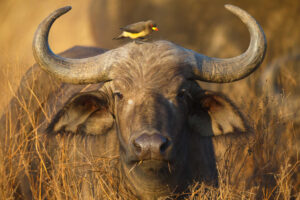
The African buffalo is often underestimated by first-time safari visitors, yet it is widely regarded as one of the continent’s most formidable animals. Strong, resilient, and highly protective, buffaloes possess a reputation for unpredictability that has earned them respect among wildlife experts.
Buffaloes live in large herds that can range from dozens to hundreds of individuals. Their social structure provides protection from predators, and herd members often work together to defend vulnerable animals. Unlike many prey species, buffaloes have been known to confront and even drive away lions when threatened.
These impressive animals spend much of their day grazing on grasses and seeking water sources. Their massive curved horns serve both defensive and social functions, helping establish dominance within the herd.
Buffaloes are abundant throughout Tanzania’s major national parks, including Serengeti, Tarangire, Ngorongoro, Katavi, and Ruaha. Large herds moving across open plains create dramatic safari scenes and provide photographers with outstanding opportunities.