
A Comprehensive, In-Depth Exploration
Tanzania is a land of awe-inspiring contrasts—snowcapped mountains rising above sunlit savannahs, ancient volcanic craters sheltering wildlife, and oceans of grassland flowing into sprawling wildernesses. But among these celebrated landscapes lies an often overlooked treasure: Tanzania’s extraordinary system of inland lakes.
These lakes are not simply bodies of water. They are ancient ecological powerhouses, biodiversity hotspots, cultural landmarks, and living natural museums that have shaped human and wildlife history for thousands of years.
From the world’s longest lake to a blood-red volcanic basin, from freshwater coral reef ecosystems to vast migratory bird sanctuaries—Tanzania’s lakes are among the most fascinating and diverse on Earth.
At Kiliclimb Africa Safaris, we take travellers deep into these water worlds, offering an experience that blends adventure, culture, wildlife, photography, and pure natural wonder.
This is your ultimate guide to Tanzania’s lakes.
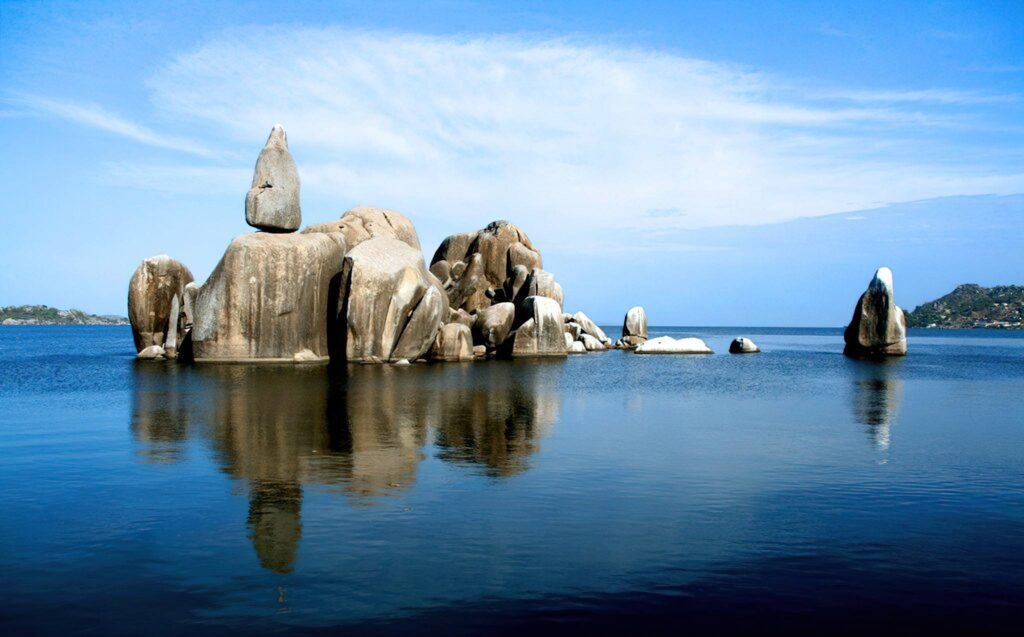
1. Lake Victoria – Africa’s Largest Lake & the Lifeblood of East Africa Quick Facts
Quick Facts
A Lake of Immense Ecological Wealth
Lake Victoria’s shallow waters—averaging just 41 meters—allow sunlight to penetrate deeply, creating a hyper-productive aquatic ecosystem.
It hosts:
Wildlife Along the Shores
Victoria’s fringes are alive with mammals and reptiles:
Islands & Culture
The lake contains over 3,000 islands, including:
Lake Victoria is a blend of nature, culture, history, and everyday life—one of the most immersive travel destinations in Africa.
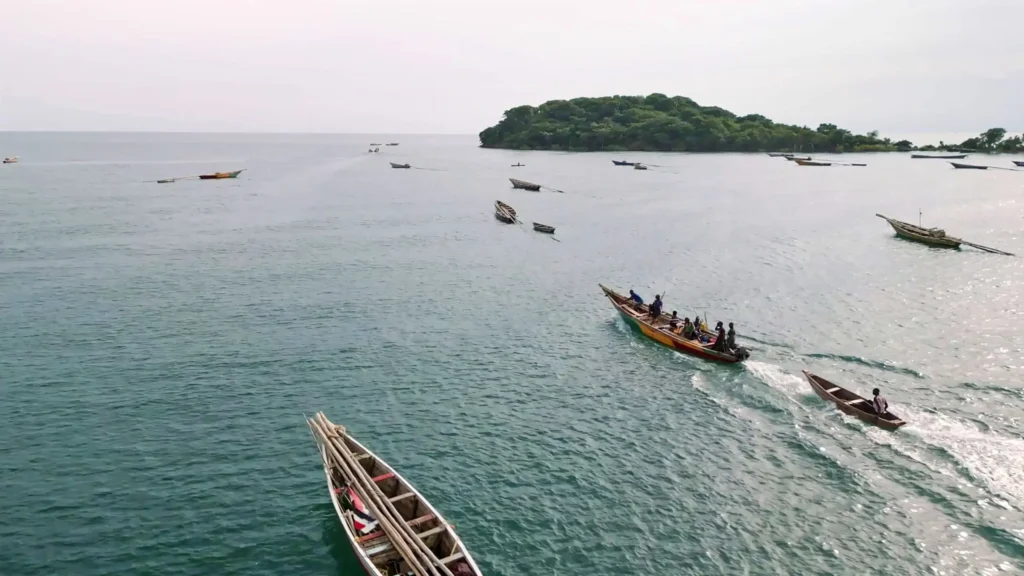
2. Lake Tanganyika – The World’s Longest, Deepest & Most Ancient Lake
Quick Facts
A Geological Wonder
Lake Tanganyika sits in a deep rift formed by the East African Rift Valley.
Its staggering depth creates layers of water that support entirely unique life.
Underwater Biodiversity
With 250+ endemic fish species, Tanganyika offers:
Wildlife Around the Lake
Adventure Opportunities
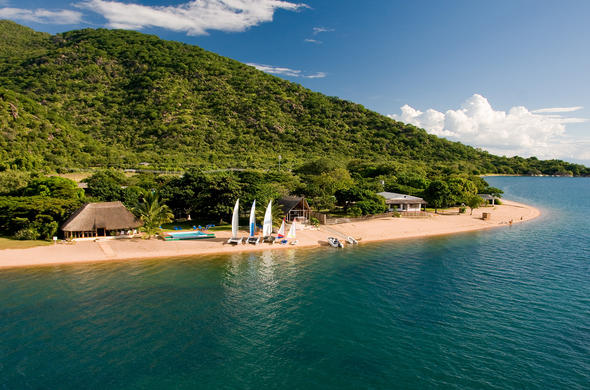
3. Lake Malawi – The Freshwater Coral Reef of Africa
Quick Facts
What Makes Malawi So Unique?
Lake Malawi’s warm, oxygen-rich top layer remains separate from its cold, low-oxygen bottom layer.
This creates micro-habitats where species evolve differently—a phenomenon rarely found in freshwater lakes.
A Kaleidoscope of Life
Lake Malawi is famous for:
Landscape & Activities
This lake is not only beautiful—it’s one of the most scientifically important freshwater systems in the world.
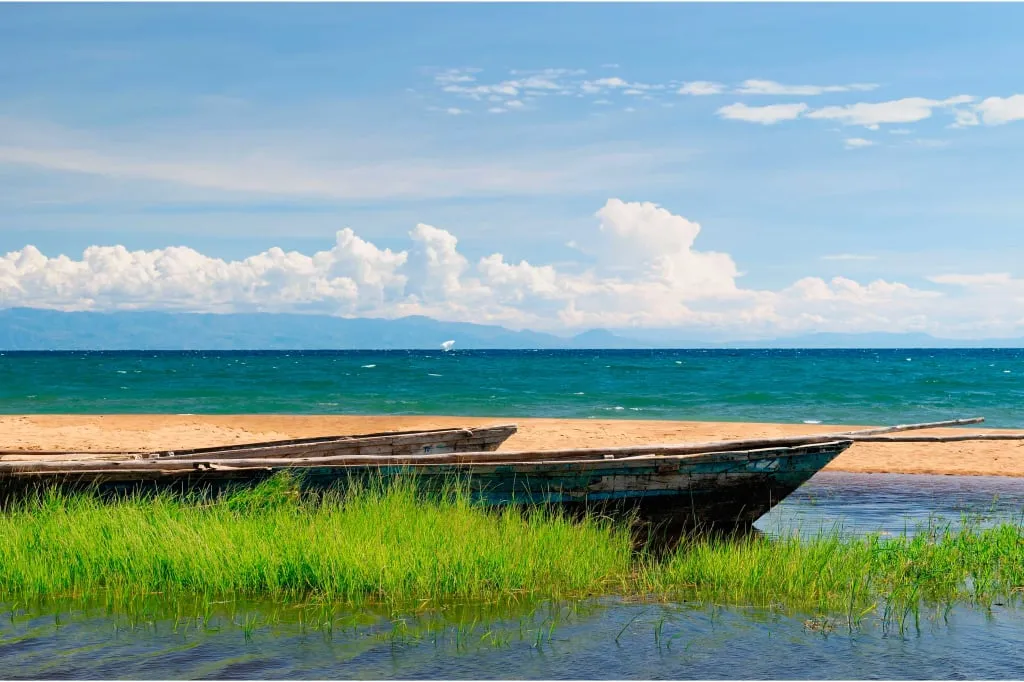
4. Lake Rukwa – Tanzania’s Most Dramatic Seasonal Lake
Quick Facts
The Shifting Lake
During wet seasons:
During dry seasons:
This dynamic ecosystem is ideal for:
Lake Rukwa is a testament to the raw, dramatic shifts of African seasons.
5. Lake Natron – Africa’s Magical Red Salt Lake
Quick Facts
Why Lake Natron Is One of Earth’s Mysteries
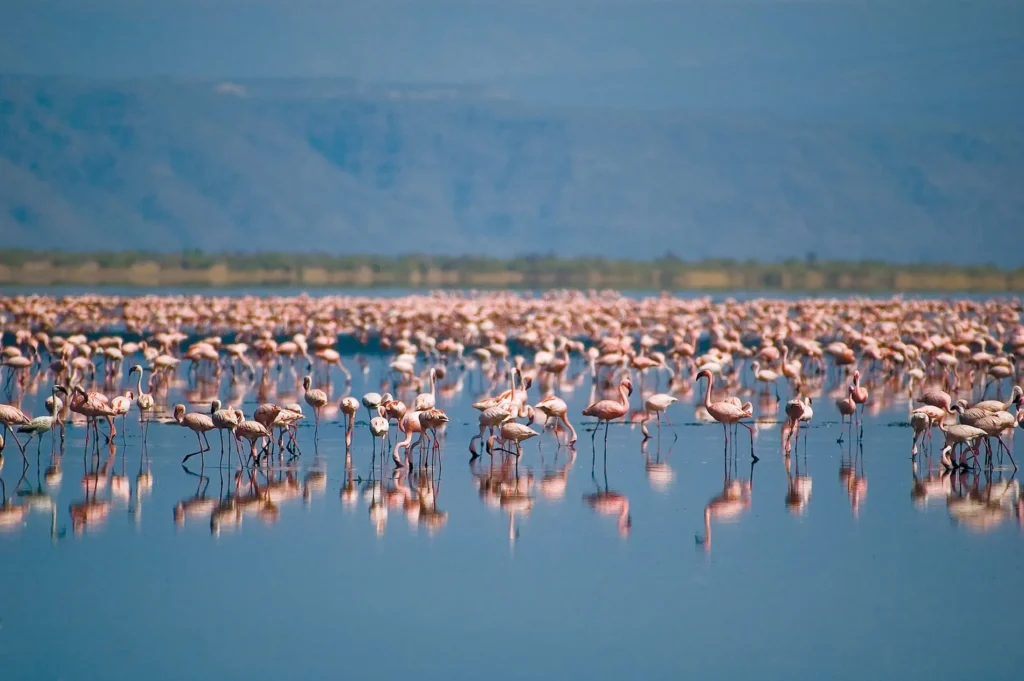
Lake Natron’s appearance is surreal—shades of red, pink, and orange caused by:
Wildlife Adapted to Extreme Conditions
Only a few species can survive here:
A Crucial Breeding Ground
Lake Natron is the only major breeding site for East Africa’s lesser flamingos.
Destroying this lake would endanger the entire species.
Adventure Highlights
Natron is haunting, beautiful, and unforgettable.
6. Lake Eyasi – A Salt Lake Rich in Culture & Prehistoric History
Quick Facts
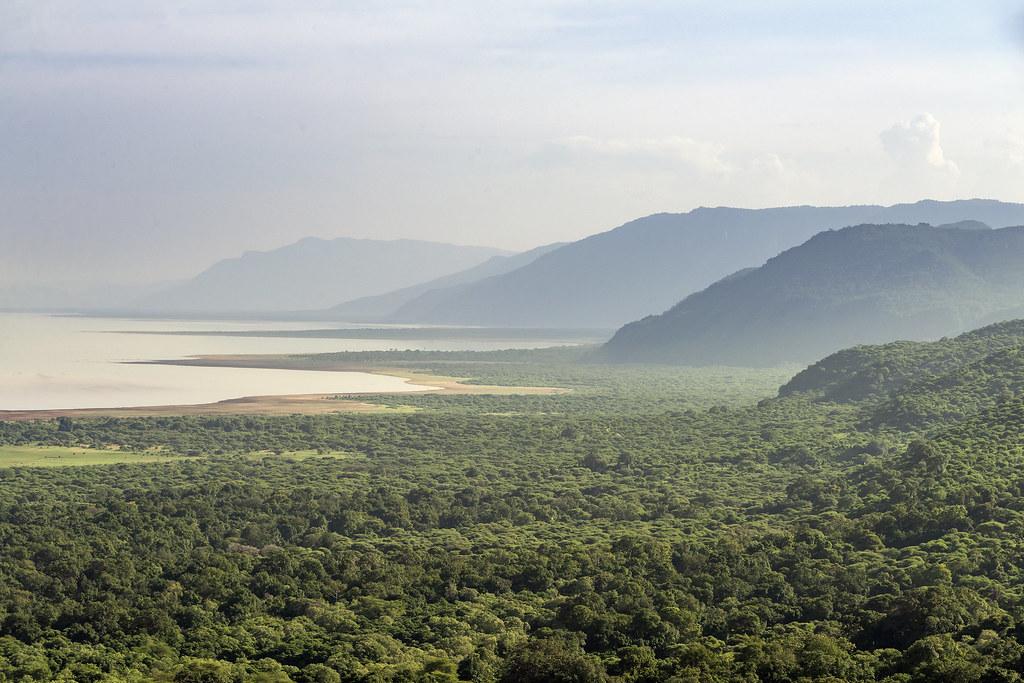
A Landscape of Salt, Heat & Ancient Stories
Eyasi’s mineral-rich waters support algae and tiny invertebrates that attract:
Beyond the water lies a rich human story:
Experiences Here Include
Lake Eyasi blends culture, history, and nature into an unforgettable journey.
7. Lake Manyara – The Flamingo Haven of Tanzania
Quick Facts
A Lake Overflowing With Life
Lake Manyara is world-famous for:
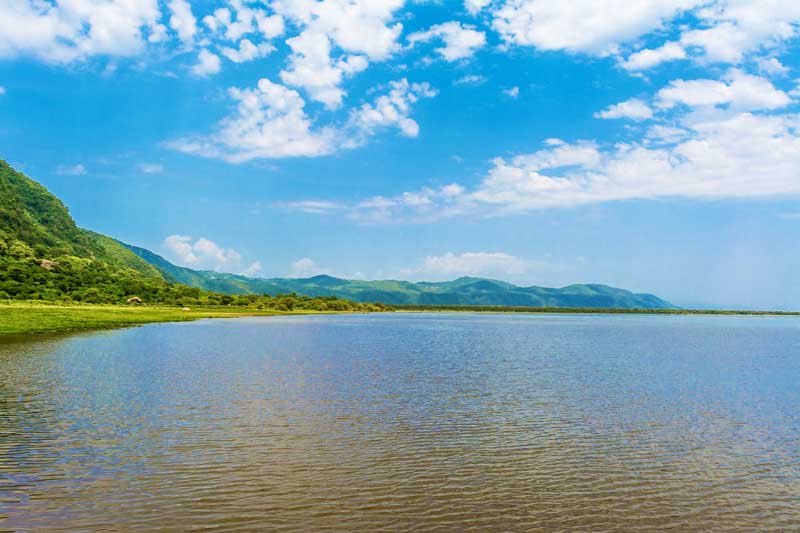
A Photographer’s Dream
The combination of:
…makes Lake Manyara one of Africa’s most beautiful safari landscapes.
Experiences at Manyara
Manyara is compact, full of wildlife, and incredibly scenic—perfect for both short and extended safaris.
Why Tanzania’s Lakes Are Some of the Most Important in Africa
Tanzania’s lakes offer:
They are destinations of wonder, research, tourism, and conservation.
Other blogs
None of us is as good as all of us.” By booking a safari, climb, or any trip with the Kiliclimb Africa Safaris team, you not only get an unforgettable holiday in Tanzania but also contribute to making the world a better place. We are proud to be a part of the communities we serve, dedicating 3% of our profits per trip to community support.




















+255 768 735 700 (Managing Director)
+255 764 117 423 (Founder & Expert Guide)
