Nyerere National Park — Tanzania’s Untamed Wilderness
Nestled in the southern reaches of Tanzania, Nyerere National Park is a true marvel of African wilderness, stretching across an astonishing 30,893 square kilometers, making it the largest national park in Tanzania and one of the largest protected areas in Africa.
Originally part of the historic Selous Game Reserve, the park was officially elevated to national park status in 2019 and renamed in honor of Julius Nyerere, Tanzania’s first president, highlighting the country’s deep commitment to conservation and sustainable tourism. Its long history of protection, beginning in the early 20th century, has preserved a landscape that is both diverse and largely untouched, offering visitors an authentic safari experience far from the crowds of the northern parks.
A Landscape of Extraordinary Diversity
Nyerere National Park is a mosaic of habitats that range from vast savannahs and rolling plains to dense miombo woodlands, floodplains, swamps, and riverine forests. At its heart flows the Rufiji River, Tanzania’s largest river, whose meandering channels, oxbow lakes, and seasonal wetlands sustain a breathtaking array of life. This complex system of waterways nourishes lush vegetation that provides shelter and food for countless species, creating a sanctuary for both predators and prey.
The park’s landscapes shift dramatically with the seasons. During the green season, from December to June, grasslands and woodlands burst into vibrant life, attracting herds of grazing animals and an abundance of birds. In the dry season, water sources shrink, and wildlife concentrates along the Rufiji and other permanent rivers, offering dramatic and accessible wildlife viewing opportunities.
Wildlife in Their Purest Form
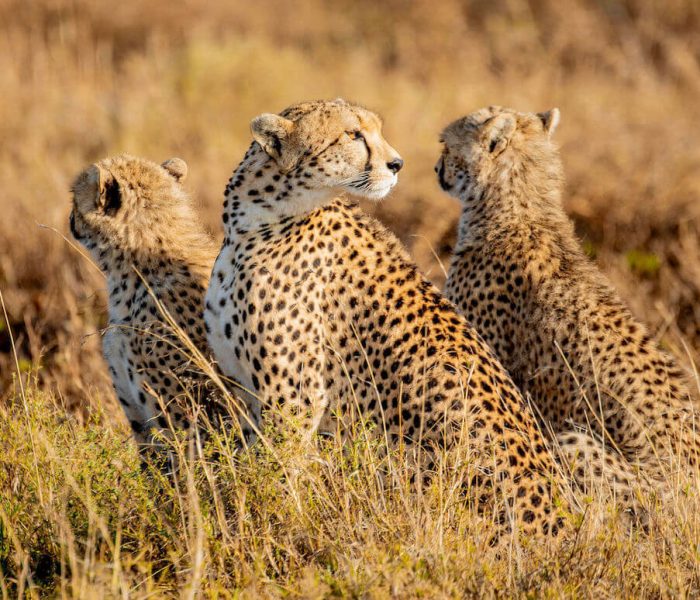
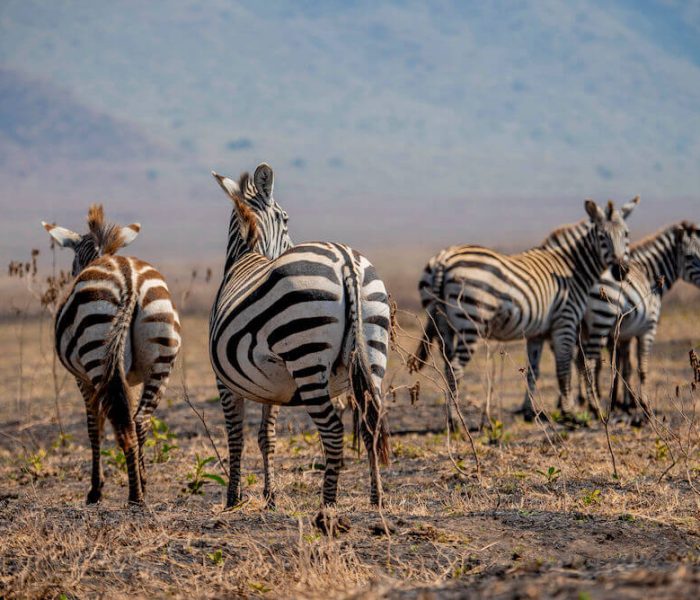
Nyerere National Park is home to some of Africa’s most iconic wildlife, making it a paradise for safari enthusiasts. Elephants roam freely across the savannahs, often moving in large herds that can be seen for miles. Lions, leopards, and cheetahs stalk the plains and woodlands, while elusive African wild dogs traverse remote corners of the park, one of the few places in the world where this endangered predator still thrives. Large herbivores such as giraffes, zebras, wildebeest, elands, waterbucks, and sable antelopes create a dynamic and ever-changing landscape of life.
The Rufiji River and its wetlands host hippos and Nile crocodiles, while the surrounding forests and woodlands shelter monkeys, duikers, and countless smaller mammals. Birdlife is particularly abundant, with over 400 species recorded. From brightly colored kingfishers and bee-eaters to large storks, herons, and forest specialists like the Rufous-winged sunbird, Nyerere offers one of East Africa’s richest birding experiences.
Safari Experiences Beyond the Ordinary
What sets Nyerere apart is the sense of true wilderness. Unlike the heavily visited Serengeti or Ngorongoro, Nyerere remains sparsely populated by tourists, allowing for intimate and unhurried encounters with nature. Safaris here are varied and immersive:
This combination of experiences ensures that each safari is unique, memorable, and deeply connected to the rhythms of nature.
Conservation and Legacy
The creation of Nyerere National Park marked a shift from a hunting-focused reserve to a fully protected sanctuary emphasizing eco-tourism and wildlife preservation. By eliminating hunting zones and placing the park under the management of the national parks authority, Tanzania has strengthened conservation oversight, ensuring the protection of its wildlife and ecosystems for future generations.
The park also serves as a crucial ecological corridor within the greater Selous–Nyerere ecosystem, supporting long-distance migrations of elephants and other species, maintaining genetic diversity, and preserving habitats for endangered animals like African wild dogs and black rhinos. Despite these protections, Nyerere faces ongoing challenges from environmental pressures, poaching, and climate variability, highlighting the importance of responsible tourism and sustainable management.
Nyerere National Park, formerly known as Selous Game Reserve, spans vast, unspoiled landscapes in southern Tanzania, making it one of the country’s most remote and untouched safari destinations. Its sheer size, combined with a mosaic of ecosystems — including miombo woodlands, open savannahs, floodplains, riverine forests, and wetlands — ensures that wildlife thrives undisturbed. The park’s remoteness allows for natural animal behaviors, offering visitors authentic encounters far removed from the tourist-heavy northern parks.
Majestic Herbivores and Big Game
These herbivores form the foundation of Nyerere’s ecosystem, creating a dynamic environment for predators and offering endless photographic opportunities.
Apex Predators and Elusive Hunters
The combination of predator and prey populations in Nyerere creates a vivid tapestry of natural interactions, from thrilling hunts to quiet moments of coexistence.
Aquatic Wildlife and Riverbank Drama
The Rufiji River and its tributaries define much of Nyerere’s character, creating vibrant habitats for aquatic life and riparian animals.
Boat safaris along the Rufiji River provide a unique perspective, allowing visitors to witness wildlife from water level while enjoying panoramic views of the surrounding floodplains.
Birdlife — A Paradise for Birdwatchers
With over 430 recorded bird species, Nyerere is a dream destination for both casual bird enthusiasts and serious ornithologists.
The combination of resident and migratory birds ensures every visit reveals something new, from spectacular aerial displays to intimate moments of bird courtship or feeding.
Habitats and Landscapes
Nyerere’s wildlife thrives in a variety of habitats: from vast grasslands and floodplains to miombo woodlands, acacia savannahs, and dense riverine forests. Each habitat supports different species, creating diverse safari experiences. Predators hunt in the plains, herbivores graze across open lands, and aquatic species dominate the riverine areas. This ecological diversity ensures that no two safaris are ever the same, offering continually changing scenes of nature’s drama and beauty.
Nyerere National Park, formerly known as Selous Game Reserve, is one of Tanzania’s largest and most pristine wildlife sanctuaries. Spanning over 30,000 square kilometers, this vast wilderness offers a truly unique safari experience, far from the crowded northern circuit. The park’s diverse landscapes — from dense miombo woodlands and riverine forests to open floodplains and the majestic Rufiji River — provide habitats for an extraordinary variety of wildlife. Whether you’re seeking adventure, romance, or a deep connection with nature, Nyerere delivers an unforgettable safari experience.
Game Drives – Classic Safari Adventure
Game drives in Nyerere are the quintessential safari experience. Conducted in open 4×4 vehicles with expert guides, these drives take you across sweeping landscapes where wildlife roams freely. The park is home to elephants, lions, leopards, buffaloes, giraffes, zebras, and countless antelope species. Because Nyerere sees relatively few tourists, encounters often feel exclusive and intimate, giving you a sense of being the first explorers to witness these majestic animals.
The early morning and late afternoon drives are particularly magical. During these golden hours, animals are most active, moving to waterholes or hunting in the cooler parts of the day. The soft light enhances the natural beauty of the landscape, making it perfect for photography. The vastness of the park also means that you may discover wildlife in unique settings — elephants bathing in rivers, lions lazing under giant acacia trees, or wild dogs stealthily moving across open plains.
Boat Safaris on the Rufiji River – A Waterway Wilderness Experience
The Rufiji River winds through Nyerere National Park, offering an entirely different perspective of the wilderness. Boat safaris allow you to glide along this serene waterway, observing hippos submerged in the water, crocodiles sunbathing on the banks, and elephants coming to drink. Riverine forests attract abundant birdlife, including kingfishers, fish eagles, herons, and migratory species that arrive during the wet season.
Sunset cruises are particularly captivating, as the river reflects the fiery colors of the sky while wildlife gathers along the shores. Boat safaris provide a more tranquil and relaxed pace compared to land drives, making them ideal for couples, honeymooners, families, or anyone seeking a reflective, intimate experience with nature.
Walking Safaris – Up Close and Personal
For the adventurous, guided walking safaris offer an immersive encounter with Nyerere’s ecosystem. Accompanied by armed and knowledgeable guides, walking safaris allow you to track wildlife on foot, explore hidden trails, and discover the smaller details of the bush that vehicles cannot access. You may observe animal tracks, droppings, insects, reptiles, or learn about indigenous plants and their traditional uses.
Walking safaris provide a unique sensory experience — the crunch of dry leaves underfoot, bird calls overhead, and the distant roar of lions create a profound connection with the natural world. These safaris are ideal for nature enthusiasts, photographers, and anyone wishing to experience the wild in a more intimate and authentic way.
Birdwatching, Fishing, and Photography – Nature at its Finest
Nyerere is a paradise for bird lovers, hosting over 400 species, including waterbirds, raptors, and seasonal migrants. Birdwatching excursions often take place during early morning walks or boat rides along the Rufiji River, offering stunning opportunities to observe rare and vibrant species in their natural habitats.
Fishing enthusiasts can enjoy catch-and-release trips in the Rufiji River, with species such as tigerfish and catfish providing an exciting challenge. Meanwhile, photographers will find endless inspiration: hippos and crocodiles in their watery domain, elephants moving gracefully along riverbanks, dramatic sunsets over open plains, and vast skies stretching above the wilderness. Every turn offers a scene worthy of capturing, making Nyerere one of Tanzania’s most photogenic safari destinations.
Why Nyerere Stands Out
Nyerere National Park offers a safari experience that is both secluded and diverse. Unlike the northern safari circuit, the park sees fewer visitors, providing a sense of solitude and immersion in nature. Its ecological diversity — from riverine forests to miombo woodlands, floodplains, and grasslands — supports a wide range of wildlife in a single area.
This makes Nyerere perfect for travelers seeking privacy, intimacy, and authentic wilderness encounters. Whether it’s a romantic boat ride at sunset, an exhilarating walking safari, or a photographic expedition across the plains, the park offers experiences that stay with you long after the trip ends.
Best Time to Visit
The dry season, from June to October, is ideal for game drives and wildlife sightings as animals gather around rivers and waterholes. Visibility is excellent, and the roads are easier to navigate. The green or wet season, from November to May, brings lush landscapes, vibrant birdlife, and seasonal births among wildlife, making it perfect for birdwatching, photography, and nature enthusiasts who enjoy the lush, green African wilderness.
The timing of your visit to Nyerere National Park is a crucial factor that can shape the entire safari experience. This vast and wild sanctuary in southern Tanzania, spanning over 30,000 square kilometers, is home to a remarkable diversity of wildlife, including elephants, lions, leopards, giraffes, buffaloes, hippos, crocodiles, and countless bird species. From dense forests and sprawling savannahs to winding rivers and tranquil wetlands, each season offers a unique perspective of the park’s natural wonders.
Dry Season (June – October): Peak Wildlife Viewing and Classic Safaris
The dry season is widely regarded as the prime period for visiting Nyerere National Park, offering the quintessential African safari experience. During these months, the landscape transforms into golden savannahs with minimal undergrowth, making it much easier to spot wildlife across wide-open plains.
Wet Season (November – May): Lush Landscapes, Birdwatching, and New Life
The wet season transforms Nyerere National Park into a vibrant, green paradise. Seasonal rains rejuvenate the park’s rivers, wetlands, and forests, creating a rich and diverse habitat that supports an explosion of life. This is the season of new beginnings for both flora and fauna, providing a unique and serene safari experience.
Shoulder Seasons (Late November, February – March): The Best of Both Worlds
Shoulder months combine the advantages of both dry and wet seasons, providing moderate wildlife activity, lush scenery, and fewer tourists. Late November, after the short rains, or February to March, before heavy rains, offer a perfect balance of green landscapes, good game viewing, and a more peaceful atmosphere.
Safari Goal | Best Time to Visit |
Classic big-game safari and predator sightings | June – October |
Birdwatching and vibrant green landscapes | November – March |
Boat safaris and river wildlife | November – February |
Tranquil, off-peak safari experience | Shoulder months: late November, February – March |
Maximum accessibility and lodge availability | June – October |
Nyerere National Park, formerly part of the Selous Game Reserve, is one of Africa’s largest protected wilderness areas, spanning over 30,000 square kilometers. Its sheer size creates a feeling of being in a land untouched by time, where nature dominates and wildlife moves freely across sprawling savannahs, dense miombo woodlands, lush riverine forests, and tranquil floodplains. Unlike more visited parks in northern Tanzania, here you’ll rarely encounter crowds, allowing for an intimate connection with the raw beauty of Africa. The vastness of the park ensures that every safari feels like a private adventure, where the horizon stretches endlessly and every turn may reveal a new spectacle of wildlife or a breathtaking landscape.
Nyerere is a sanctuary for an extraordinary variety of wildlife. Its expansive plains and forests are home to immense elephant herds, some of the largest in Tanzania, moving gracefully through the woodlands and along riverbanks. Buffaloes, giraffes, zebras, wildebeests, and a wide variety of antelopes, including impalas, kudus, sable, and elands, populate the park, creating dynamic landscapes full of life.
The park is also a haven for predators. Lions patrol the savannahs, leopards stalk silently among the trees, and hyenas roam in the twilight. One of Nyerere’s most remarkable features is its population of African wild dogs, one of the continent’s most endangered and elusive predators. Spotting a pack in action is a rare and unforgettable experience for any wildlife enthusiast.
The Rufiji River, Tanzania’s largest, is a lifeline for the park. Hippos gather in the river’s deep pools, crocodiles bask on its sandy banks, and elephants and buffaloes come to drink at dawn and dusk. For bird lovers, Nyerere is unparalleled, hosting over 440 species, including fish eagles, kingfishers, herons, and vibrant bee-eaters. The birdlife alone is enough to attract ornithologists and wildlife photographers from around the world.
What truly sets Nyerere apart is the diversity of safari experiences it offers. Visitors are not limited to traditional game drives. The park allows a combination of 4×4 safaris, boat safaris, walking safaris, and fly-camping for those seeking deeper immersion into the wilderness.
This versatility makes Nyerere suitable for all types of travelers — families, honeymooners, solo adventurers, bird watchers, and photographers seeking both adventure and tranquility.
Unlike the popular northern circuit parks, Nyerere remains largely untouched by mass tourism. This means fewer safari vehicles, more private encounters with wildlife, and a genuine sense of solitude. Imagine spotting a herd of elephants crossing a vast plain, or giraffes browsing quietly among acacia trees, with no other tourists in sight. This level of intimacy with nature allows visitors to truly feel a part of the wilderness, creating memories that last a lifetime.
Nyerere National Park is not only a destination for adventure but also a critical conservation area. Formed from the historic Selous Game Reserve, one of Africa’s grandest protected ecosystems, the park plays a vital role in safeguarding endangered species, protecting wetlands, floodplains, miombo woodlands, and river systems. By visiting Nyerere, travelers contribute directly to the conservation of some of Africa’s most iconic wildlife, from elephants to wild dogs, ensuring that these species thrive for future generations.
Nyerere offers a perfect blend of thrilling adventure and serene relaxation. The park’s vast plains, winding rivers, and remote camps allow for exciting game encounters while providing peaceful moments to soak in the beauty of nature. Whether you are photographing a lion pride at sunrise, watching hippos wallow in the Rufiji River, or simply enjoying the quiet of an open plain, every moment in Nyerere is memorable.
For travelers seeking an authentic, off-the-beaten-path safari in Tanzania, Nyerere National Park promises experiences unlike any other: unspoiled wilderness, rare wildlife, diverse safari options, and a deep connection to Africa’s natural heritage. It is more than a safari destination — it is an epic journey into the heart of the African wilderness, where adventure and tranquility coexist in perfect harmony.
Other Destinations
What our Client Say
EXCELLENT Based on 223 reviews
 Posted on Tripadvisor
 Rachel MThe best, most thoughtful and memorable hiking tour I went with my dad on the 8 day Lemosho Route Kilimanjaro climb with Kiliclimb, and Moses and his team put together an absolutely incredible trip! Everything was flawless from start to finish, from the organization and service to the guides, crew, and overall experience.Our guides (Baraka and Godson) were the best and genuinely so kind and caring, checking in constantly and even doing daily wellness checks. They provided daily briefings and always clearly communicated what was ahead. What stood out to me even more was hearing the guides talk about how great Moses is and how much they enjoy working for him. That says a lot about the company and, in my opinion, really matters when choosing an outfitter!The food was spectacular the entire trip and clearly planned with altitude in mind. We had the best soup every day, plus amazing fish, chicken, beef, and yes, even pizza! The whole team was remarkable and so tuned into our needs, including setting up a private bathroom tent, which was a huge comfort.Moses went above and beyond personally as well. Before the trip, he reviewed my gear and flagged that I did not have warm enough layers for summit day, then loaned me a jacket and pants so I was properly prepared. He also arranged transportation to and from the airport, making it truly feel like a full package experience.I could not have asked for a better Kilimanjaro climb, and I highly, highly recommend Kiliclimb to anyone considering the mountain!Posted on Tripadvisor
 Sightseer03489358946Kili, wow I did it. Großartige Tour mit einem tollen Veranstalter. Sehr gute Betreuung von einem perfekt vorbereitetem, zuverlässigen erfahren Team. Kann ich nur empfehlen, war sehr spaßig und voller neuer, schöner Eindrücke trotz Anstrengung, die eine Tour auf einen 5895 Meter hohen Berg, mit sich bringt.Posted on Tripadvisor
 Patrick BGreat communication, reliable service, good value for money and an unforgettable Kilimanjaro tour. Our Kilimanjaro tour was an incredible experience, made truly unforgettable by a mature, highly reliable, trustworthy, friendly, positive, and very experienced team.”Posted on Tripadvisor
 Dong JThe best Guide for Kilimanjaro and safari in Africa My friend and I did 6 days Kilimanjaro Climb via The Machame Route for 6 days and The whole Team was Super Helpful and Friendly from Answering our queries 24/7 available to Day one to day 6 everything went really Smoothly and professionally!! We got Top notch Service and you could tell that they really care and passionate about their job !! I would highly recommend this company to anyone who wants the best experience in Tanzania and on mountain KilimanjaroPosted on Tripadvisor
 Emily AAmazing Local Company A friend and I went on a 4-day private safari through Tarangire, Ngorongoro Crater, and the Serengeti, and it was absolutely incredible. From start to finish, the Kiliclimb staff exceeded our expectations. After completing our Kilimanjaro trek, we were staying at a hotel in Arusha and were greeted by the team and picked up directly from the hotel, which made the transition seamless and stress-free.We were incredibly lucky to have Ombeni as our guide. Thanks to his deep knowledge of the parks and strong relationships with other guides and rangers, we saw every animal we hoped for. He constantly checked in with us, asking for feedback and what we wanted to focus on each day, which made the experience feel truly personalized.Ombeni was funny, kind, and genuinely made the trip unforgettable. And don’t sleep on his photography skills, he’s seriously talented! We couldn’t recommend this local company more. They also gave us t-shirts and safari hats which was a nice touch!Posted on Tripadvisor
 SakiUnforgettable 4-Day Adventure – Onbeni is a Legend! Our 4-day trip through the Serengeti, Ndutu, and Ngorongoro was the highlight of our travels, and that is entirely thanks to our guide, Onbeni.From the start, Onbeni brought a high-energy, positive vibe that made every game drive an adventure. His "superpower" is undoubtedly his eyes—his ability to spot wildlife is incredible. The absolute highlight was when Onbeni was the first to spot a rare leopard, giving us a private viewing before any other vehicles arrived!We also spent an unforgettable time driving alongside the Wildebeest migration, witnessing the magic of the newborn babies in Ndutu. Onbeni’s professionalism and deep knowledge of the land made us feel safe and informed throughout. If you want a guide who is professional, energetic, and has a "sixth sense" for finding animals, ask for Onbeni!Posted on Tripadvisor
 Luna L5/5 stars! 5/5 stars! This Tanzania safari local agency made our trip absolutely unforgettable. Our guide was super knowledgeable about wildlife—we spotted the Big Five smoothly and he shared fascinating facts about animals and local culture. The 4x4 jeep was comfortable, transfers were on time, and the lodges were clean with great food. No hidden fees, flexible schedule, and the team cared about every detail. 100% recommend for an amazing African safari experience!Posted on Tripadvisor
 Scenic31703861634Great experience! Kiliclimb organized an extremely wonderful safari overall. Our expectations were exceeded by far. From the organization, to the hospitality, to the experiences, accommodations, and personal relationship with our guide Ombeni. Ombeni did an outstanding job. He knew every national park very well and knew exactly where we could observe animals. He was very friendly and always responded to our needs. You couldn't ask for a better guide than Ombeni at your side. Communication with the Kiliclimb management also worked wonderfully. We would recommend a safari with Kiliclimb at any time. Asante sana!Posted on Tripadvisor
 Maurice BOnce-in-a-lifetime experience Our safari tour was a unique experience! We didn't expect to see so much! We saw the Big Five, we saw a wildebeest migration, we saw the birth of a wildebeest calf and much more. Our guide, Ombeni, accompanied us for seven days and made so much possible for us. His flexibility, warmth and knowledge were invaluable. We felt very comfortable and highly recommend Kiliclimb! Thank you for everything. Asante sana!Posted on Tripadvisor
 Joane BUnforgettable 7-day safari with Kiliclimb Safari – highly recommended! Our 7-day personalized safari with Kiliclimb Safari was simply fantastic and exceeded all our expectations. Thanks to our great guide Ombeni, the best guide you could wish for, we saw and learned an incredible amount. Every day was a new highlight!The tour was superbly organized, everything ran smoothly and professionally. The contact with Janeth via WhatsApp was particularly good. She was always available, extremely helpful, and always responded quickly and friendly. You feel well taken care of from the very beginning.We would book this safari again anytime and can recommend Kiliclimb Safari and Ombeni 100%. A unique experience that we will never forget!