Trip Start/End
Arusha
Destination
Napuru Waterfall
Meal
Picnic or BBQ
Trip Start/End
Arusha
Destination
Arusha City
Meal
Picnic or BBQ
A Hidden Gem of Northern Tanzania
Just a short drive from Arusha, Tanzania’s vibrant gateway city, lies Napuru Waterfalls, an enchanting natural retreat nestled on the lush southern slopes of Mount Meru, Tanzania’s second-highest peak. Often overshadowed by Kilimanjaro, Mount Meru rises majestically to 4,562 meters, shaping the surrounding landscape with its verdant forests, fertile valleys, and cascading rivers.
The Napuru Waterfall, tucked away within this pristine environment, is a true hidden gem for adventurers, nature lovers, and photographers alike. Its crystal-clear waters plunge from impressive heights into a serene pool below, surrounded by thick, verdant vegetation. This day trip is perfect for anyone seeking a refreshing escape into nature, a scenic hike, and a moment of tranquility away from city life.
Why Choose the Napuru Waterfall Day Trip
1. Departure from Arusha
The adventure begins early in the morning with pickup from your hotel or lodge in Arusha. The scenic drive towards the foothills of Mount Meru is a visual treat, with rolling farmland, vibrant green valleys, and the occasional sighting of local villagers tending to their fields. The air is fresh, and the energy of the countryside sets the tone for the day ahead.
2. Arrival and Guide Briefing
Upon reaching the trailhead near the base of Mount Meru, you’ll meet your local guide, an expert familiar with the forest, wildlife, and terrain. Your guide will provide safety instructions, outline the route, and share fascinating insights about the region’s ecology, geology, and local culture.
3. Hiking the Trail to Napuru Waterfall
The hike begins along a gently sloping path that winds through dense forests and alongside streams fed by the slopes of Mount Meru. Towering trees form a natural canopy overhead, casting dappled sunlight onto the mossy ground. The earthy scent of rich soil and foliage fills the air as birds sing and monkeys occasionally swing from branch to branch.
The trail is approximately 4 kilometers round-trip, taking 1.5–2 hours each way depending on pace. The path is well-marked but can be slippery or uneven in places, especially after rainfall. Hiking boots or sturdy shoes are recommended. Along the way, your guide will point out medicinal plants, highlight unusual rock formations, and tell stories of local folklore related to the mountain and forest.
4. Arrival at Napuru Waterfall
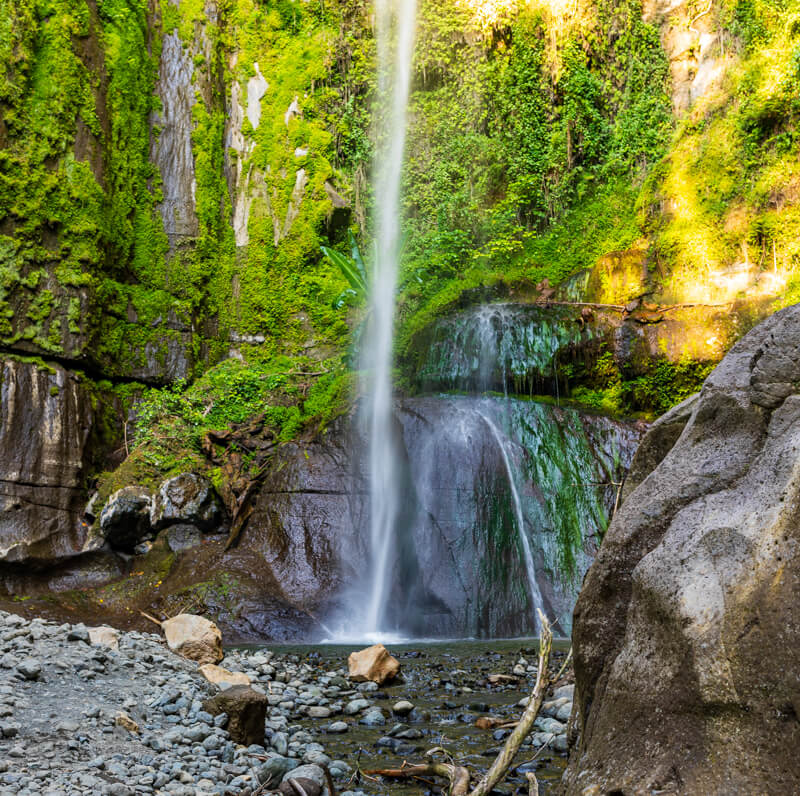
As you approach the waterfall, the sound of rushing water grows louder, heightening anticipation. The Napuru Waterfall descends from a height of approximately 78 meters, plunging into a pristine, natural pool below. The water is cool, refreshing, and invigorated by its mountain source, perfect for a dip after the hike. Mist rises from the waterfall, creating a shimmering veil that sparkles in the sunlight and occasionally forms small rainbows — a photographer’s dream.
The surrounding area is a peaceful haven, framed by moss-covered rocks, tropical vegetation, and the gentle murmur of flowing water. This is an ideal spot to pause, relax, and soak in the natural beauty.
5. Picnic and Relaxation
After taking in the majesty of the falls, you can enjoy a picnic amidst the serene environment. Depending on the tour, a traditional Tanzanian lunch or packed snacks are provided. The sounds of the forest — rustling leaves, bird calls, and the cascading waterfall — create a meditative atmosphere perfect for reflection and rest.
6. Wildlife and Birdwatching
The forest surrounding Napuru is alive with wildlife. Birdwatchers may spot the vibrant African Paradise Flycatcher, turacos, or hornbills, while playful monkeys swing overhead. The area is a small yet thriving ecosystem, giving visitors a chance to observe the richness of Mount Meru’s lower slopes.
7. Optional Adventure Activities
For the adventurous, some tour operators offer additional experiences near Napuru, such as ziplining, quad biking, or paintball, adding an adrenaline element to the natural excursion.
8. Return to Arusha
After a day filled with hiking, swimming, and exploring, the trail leads back to the trailhead. The drive back to Arusha offers a final chance to absorb the scenic countryside and reflect on the day’s adventure. You’ll be dropped at your hotel, completing a refreshing, memorable escape into Tanzania’s natural beauty.
Napuru Waterfall plunges from steep volcanic cliffs formed thousands of years ago by eruptions of Mount Meru. The water originates from natural springs and underground streams high in the montane forest, creating a steady year-round flow. As the cascade hits the rocks below, it forms a refreshing natural pool — ideal for cooling off after the hike.
The trail winds through dense greenery typical of Mount Meru’s lower forest zone. Expect towering trees, thick ferns, moss-covered cliffs, vines, butterflies, and wildflowers. The air is cool, fresh, and scented with mountain vegetation.
This forest is home to a rich variety of wildlife, including:
One of the most unique things about the Napuru waterfall hike is the cultural experience. The journey often passes through small villages at the foot of Mount Meru, where local people — mostly farmers from Meru and Chagga communities — cultivate bananas, coffee, maize, vegetables, and yams. Visitors frequently get:
This combination of hiking, nature exploration, and cultural immersion makes Napuru Waterfall a rewarding experience for all types of travelers.
Napuru Waterfall can be visited all year, but the experience changes depending on the season.
This is widely considered the prime time to hike to Napuru:
A great alternative window with:
This period is the most challenging:
However, the scenery is spectacular — the entire forest bursts with greenery, and the waterfall is even more dramatic.
A mix of sun and rain:
The hike typically takes:
Expect:
As you approach the waterfall, you’ll hear the sound of rushing water echoing through the gorge. Mist fills the air, and sunlight sometimes creates beautiful rainbows near the base.
At the base of the falls is a refreshing natural pool. The water is cold, pure, and perfect for cooling down after the hike.
Swimmers should stay away from the immediate drop zone, especially in the rainy season, when currents may be stronger.
Napuru is extremely photogenic:
Bring a camera or smartphone with good water protection due to the spray.
A well-prepared packing list ensures a safe and enjoyable experience:
Nestled on the southern slopes of Mount Meru, just a short drive from Arusha in northern Tanzania, Napuru Waterfall is a breathtaking natural gem. More than a picturesque cascade, Napuru combines ecological, geological, cultural, and wellness dimensions, making it a unique and enriching destination for travelers.
Ecological Significance
Napuru lies within the Meru-Usa Nature Forest Reserve, a montane forest that spans thousands of hectares. This forest is a critical water catchment area, regulating streams and rivers that support local communities and wildlife. The forest around Napuru is a biodiversity hotspot, home to over 300 bird species, including highland forest dwellers, as well as mammals like black-and-white colobus monkeys and blue monkeys. The forest ecosystem helps prevent soil erosion and sustains the watershed, making it ecologically invaluable.
Visitors often encounter vibrant tropical flowers, moss-covered rocks, and towering trees, creating an immersive experience in one of Tanzania’s most pristine environments. The forest trails provide opportunities for birdwatching, nature photography, and environmental learning, making Napuru a destination for eco-conscious travelers.
Volcanic Geology and Scenic Beauty
The cliffs and rocks around Napuru are remnants of Mount Meru’s volcanic activity, forming dramatic geological features that are both educational and visually stunning. The waterfall plunges approximately 78 meters into a shaded gorge, carved from layers of volcanic ash and hardened basalt formed during ancient eruptions.
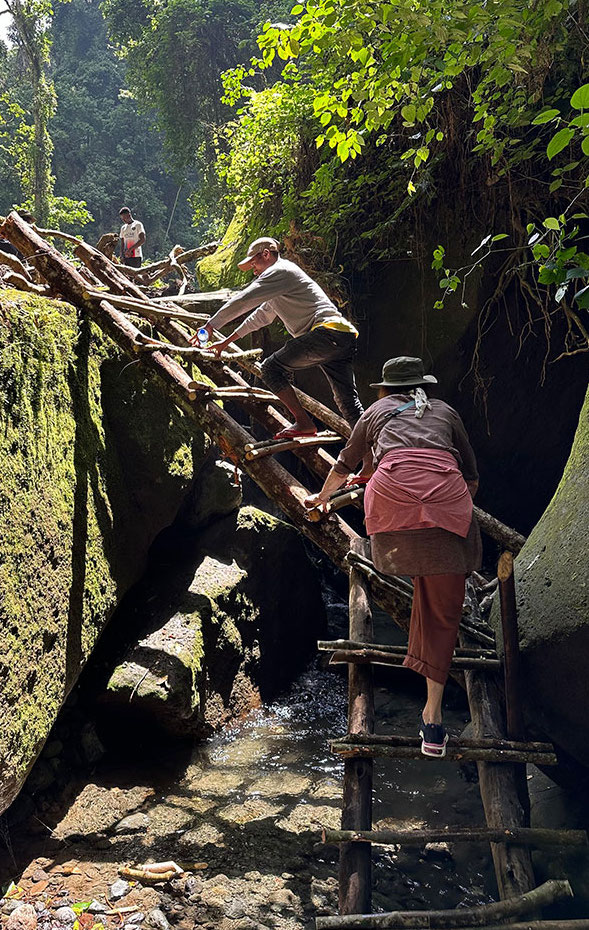
Hiking to the base of the waterfall takes visitors through forested paths, crossing streams and navigating stone or wooden steps, revealing the interplay of volcanic geology, river erosion, and natural vegetation. The combination of dense forest, towering cliffs, and cascading water creates a picturesque and photogenic landscape, perfect for travelers seeking adventure and natural beauty.
Cultural and Community Experience
Napuru Waterfall also offers a glimpse into local Tanzanian life. The trails pass through rural villages and farmland where locals grow bananas, maize, and potatoes. Guides often share insights into traditional practices, folklore, and village life, creating a cultural immersion that enriches the hike.
Tourism at Napuru is community-based, meaning that visitor fees and guided tours help support the local economy. Many experiences include traditional lunches prepared by local families, providing an authentic taste of Tanzanian cuisine. This blend of nature and culture allows travelers to connect with both the environment and the people who depend on it.
Health, Wellness, and Rejuvenation
Napuru Waterfall is not just a feast for the eyes—it’s a destination for wellness and rejuvenation. The combination of cool mountain air, forest canopy, and flowing water creates a restorative atmosphere for the mind and body. Swimming in the natural plunge pool at the base of the falls offers a refreshing experience, while walking through the forest provides the benefits of physical exercise and forest bathing.
The soothing sounds of cascading water, birdsong, and rustling leaves make Napuru an ideal location for meditation, relaxation, and mental clarity. Visitors often leave feeling refreshed, energized, and connected to nature.
Adventure and Accessibility
While easily accessible from Arusha, Napuru retains a sense of off-the-beaten-path adventure. The hike to the waterfall takes between 45 minutes to 2 hours one way, depending on the trail and pace. There are two main routes: a moderately challenging conservation-area trail starting from the picnic site, and a more remote village trail that follows traditional footpaths used by locals.
The dry season (June–October) offers the easiest access, with clear and firm trails, while the wet season provides a more dramatic, powerful waterfall experience, though the paths can be slippery. Proper footwear, water, and moderate fitness are recommended for all visitors.
Conservation and Sustainability
Napuru Waterfall is part of a larger conservation effort within the Meru-Usa Nature Forest Reserve. Sustainable tourism practices help fund forest protection, wildlife conservation, reforestation, and maintenance of trails and waterways. Visiting responsibly—staying on marked trails, hiring local guides, and respecting forest rules—supports both the environment and local communities, ensuring that this natural treasure remains intact for future generations.
The Napuru Waterfall day trip from Arusha is an immersive, multi-dimensional experience that blends adventure, nature, culture, and relaxation. Ideal for travelers seeking a scenic, moderate hike with opportunities for swimming, photography, and wildlife observation, this excursion offers a unique perspective on Tanzania’s northern landscapes. Nestled in the shadow of Mount Meru, Napuru Waterfall is a perfect destination to escape the city, reconnect with nature, and create unforgettable memories.
| Group Size | Price Per Person |
|---|---|
|
1 |
$ 450 |
|
2 |
$ 350 |
|
3 – 4 |
$ 300 |
|
5+ |
$ 250 |
Suggested Items To Bring
What our Client Say
EXCELLENTVerified The best, most thoughtful and memorable hiking tour I went with my dad on the 8 day Lemosho Route Kilimanjaro climb with Kiliclimb, and Moses and his team put together an absolutely incredible trip! Everything was flawless from start to finish, from the organization and service to the guides, crew, and overall experience.Our guides (Baraka and Godson) were the best and genuinely so kind and caring, checking in constantly and even doing daily wellness checks. They provided daily briefings and always clearly communicated what was ahead. What stood out to me even more was hearing the guides talk about how great Moses is and how much they enjoy working for him. That says a lot about the company and, in my opinion, really matters when choosing an outfitter!The food was spectacular the entire trip and clearly planned with altitude in mind. We had the best soup every day, plus amazing fish, chicken, beef, and yes, even pizza! The whole team was remarkable and so tuned into our needs, including setting up a private bathroom tent, which was a huge comfort.Moses went above and beyond personally as well. Before the trip, he reviewed my gear and flagged that I did not have warm enough layers for summit day, then loaned me a jacket and pants so I was properly prepared. He also arranged transportation to and from the airport, making it truly feel like a full package experience.I could not have asked for a better Kilimanjaro climb, and I highly, highly recommend Kiliclimb to anyone considering the mountain!Posted onVerified Kili, wow I did it. Großartige Tour mit einem tollen Veranstalter. Sehr gute Betreuung von einem perfekt vorbereitetem, zuverlässigen erfahren Team. Kann ich nur empfehlen, war sehr spaßig und voller neuer, schöner Eindrücke trotz Anstrengung, die eine Tour auf einen 5895 Meter hohen Berg, mit sich bringt.Posted onVerified Great communication, reliable service, good value for money and an unforgettable Kilimanjaro tour. Our Kilimanjaro tour was an incredible experience, made truly unforgettable by a mature, highly reliable, trustworthy, friendly, positive, and very experienced team.”Posted onVerified The best Guide for Kilimanjaro and safari in Africa My friend and I did 6 days Kilimanjaro Climb via The Machame Route for 6 days and The whole Team was Super Helpful and Friendly from Answering our queries 24/7 available to Day one to day 6 everything went really Smoothly and professionally!! We got Top notch Service and you could tell that they really care and passionate about their job !! I would highly recommend this company to anyone who wants the best experience in Tanzania and on mountain KilimanjaroPosted onVerified Amazing Local Company A friend and I went on a 4-day private safari through Tarangire, Ngorongoro Crater, and the Serengeti, and it was absolutely incredible. From start to finish, the Kiliclimb staff exceeded our expectations. After completing our Kilimanjaro trek, we were staying at a hotel in Arusha and were greeted by the team and picked up directly from the hotel, which made the transition seamless and stress-free.We were incredibly lucky to have Ombeni as our guide. Thanks to his deep knowledge of the parks and strong relationships with other guides and rangers, we saw every animal we hoped for. He constantly checked in with us, asking for feedback and what we wanted to focus on each day, which made the experience feel truly personalized.Ombeni was funny, kind, and genuinely made the trip unforgettable. And don’t sleep on his photography skills, he’s seriously talented! We couldn’t recommend this local company more. They also gave us t-shirts and safari hats which was a nice touch!Posted onVerified Unforgettable 4-Day Adventure – Onbeni is a Legend! Our 4-day trip through the Serengeti, Ndutu, and Ngorongoro was the highlight of our travels, and that is entirely thanks to our guide, Onbeni.From the start, Onbeni brought a high-energy, positive vibe that made every game drive an adventure. His "superpower" is undoubtedly his eyes—his ability to spot wildlife is incredible. The absolute highlight was when Onbeni was the first to spot a rare leopard, giving us a private viewing before any other vehicles arrived!We also spent an unforgettable time driving alongside the Wildebeest migration, witnessing the magic of the newborn babies in Ndutu. Onbeni’s professionalism and deep knowledge of the land made us feel safe and informed throughout. If you want a guide who is professional, energetic, and has a "sixth sense" for finding animals, ask for Onbeni!Posted onVerified 5/5 stars! 5/5 stars! This Tanzania safari local agency made our trip absolutely unforgettable. Our guide was super knowledgeable about wildlife—we spotted the Big Five smoothly and he shared fascinating facts about animals and local culture. The 4x4 jeep was comfortable, transfers were on time, and the lodges were clean with great food. No hidden fees, flexible schedule, and the team cared about every detail. 100% recommend for an amazing African safari experience!Posted onVerified Great experience! Kiliclimb organized an extremely wonderful safari overall. Our expectations were exceeded by far. From the organization, to the hospitality, to the experiences, accommodations, and personal relationship with our guide Ombeni. Ombeni did an outstanding job. He knew every national park very well and knew exactly where we could observe animals. He was very friendly and always responded to our needs. You couldn't ask for a better guide than Ombeni at your side. Communication with the Kiliclimb management also worked wonderfully. We would recommend a safari with Kiliclimb at any time. Asante sana!Posted onVerified Once-in-a-lifetime experience Our safari tour was a unique experience! We didn't expect to see so much! We saw the Big Five, we saw a wildebeest migration, we saw the birth of a wildebeest calf and much more. Our guide, Ombeni, accompanied us for seven days and made so much possible for us. His flexibility, warmth and knowledge were invaluable. We felt very comfortable and highly recommend Kiliclimb! Thank you for everything. Asante sana!Posted onVerified Unforgettable 7-day safari with Kiliclimb Safari – highly recommended! Our 7-day personalized safari with Kiliclimb Safari was simply fantastic and exceeded all our expectations. Thanks to our great guide Ombeni, the best guide you could wish for, we saw and learned an incredible amount. Every day was a new highlight!The tour was superbly organized, everything ran smoothly and professionally. The contact with Janeth via WhatsApp was particularly good. She was always available, extremely helpful, and always responded quickly and friendly. You feel well taken care of from the very beginning.We would book this safari again anytime and can recommend Kiliclimb Safari and Ombeni 100%. A unique experience that we will never forget!




















+255 768 735 700 (Managing Director)
+255 764 117 423 (Founder & Expert Guide)