Here are some tips for how to pack for climbing Kilimanjaro:.
For first-time climbers or anyone who doesn’t have their own climbing gear, renting is a much more affordable choice than investing in top-quality gear you may only use one time.
Avoid buying the cheapest gear.There’s no need to spend a fortune on buying branded clothes and footwear, and yet low quality items should not be an option either, no matter how attractive the price. After all, it is your safety and comfort at stake. On today’s market you can find plenty of high-quality alternatives at affordable prices.
Essentials Items:
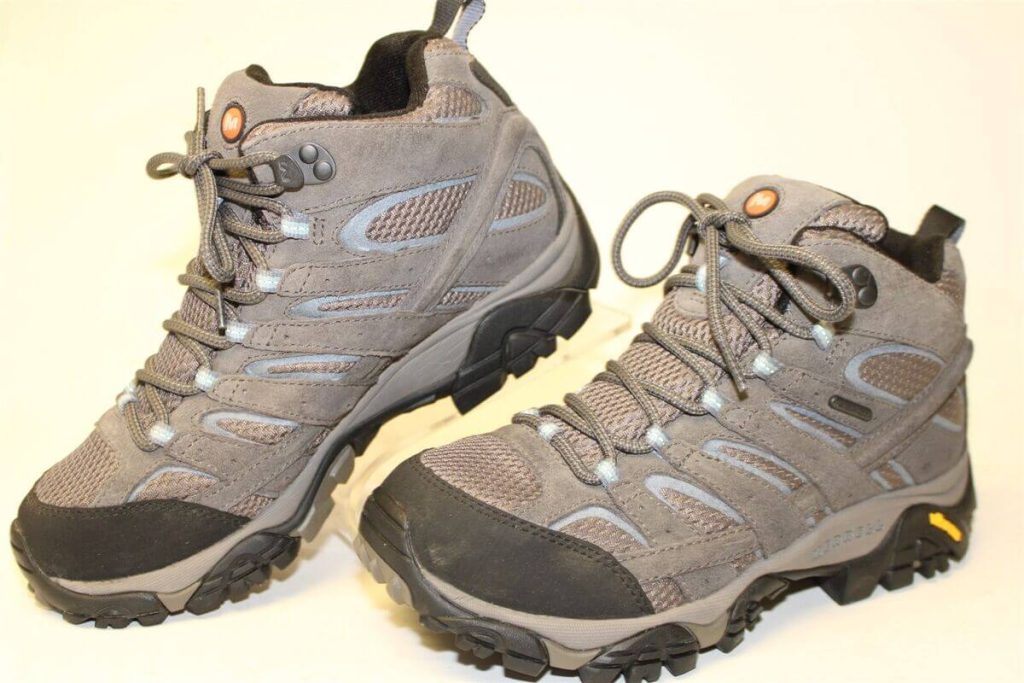
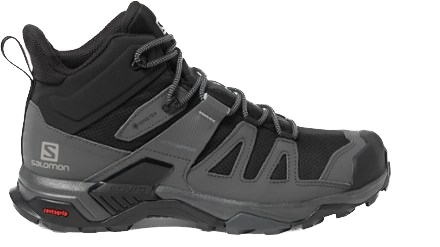
Solid Hiking Boots
Boots should have high ankle support with a solid Vibram®, or equivalent, sole. Gore Tex®, or other waterproofing, is recommended to have for wet days as well as added insulation. Be sure to break your boots in at least 4 WEEKS prior to departure. Additionally, bring a spare set of laces.
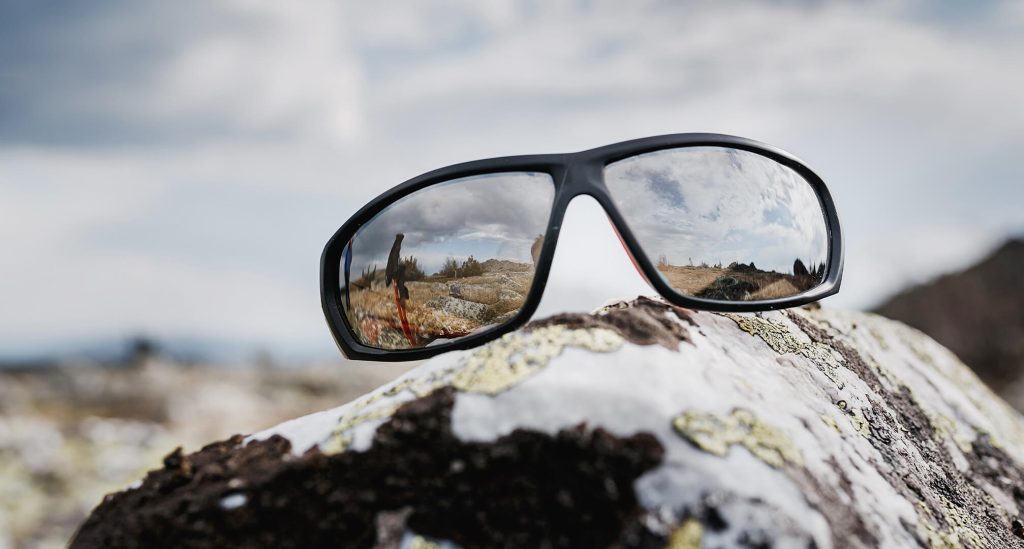
Sun Glasses
Your sun glasses should have 100% UV protection and should reduce glare as well as visible light. The frames should be light weight with a wrap-around design for enhanced grip and staying power. Additionally, side shields are recommended to block peripheral light.
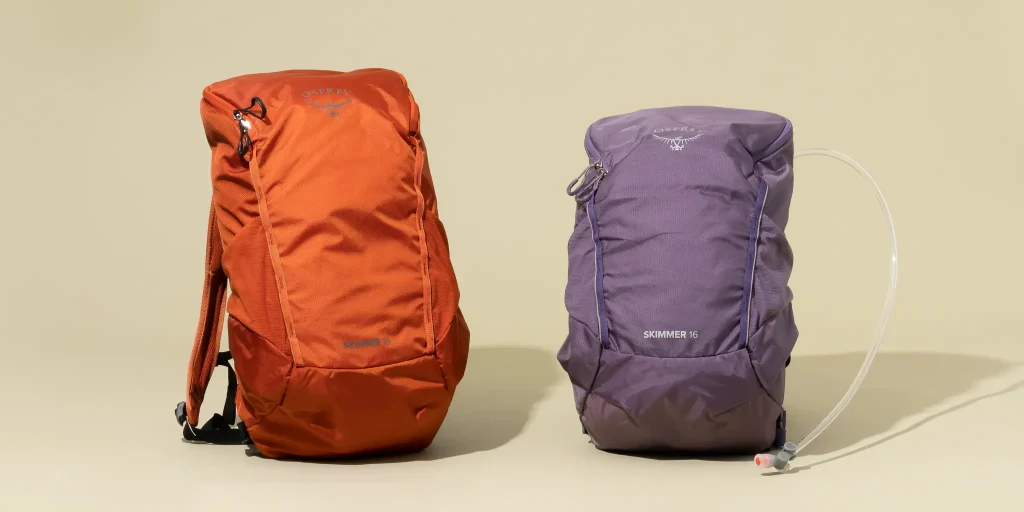
Day Pack
The most important things to look for if you need to purchase one are size (30L is good), hydration pack compatibility, hip and chest straps, internal frame, good padding on shoulder straps, and water bottle holders.
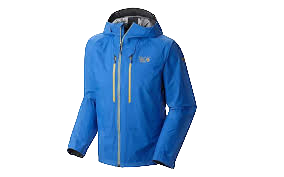
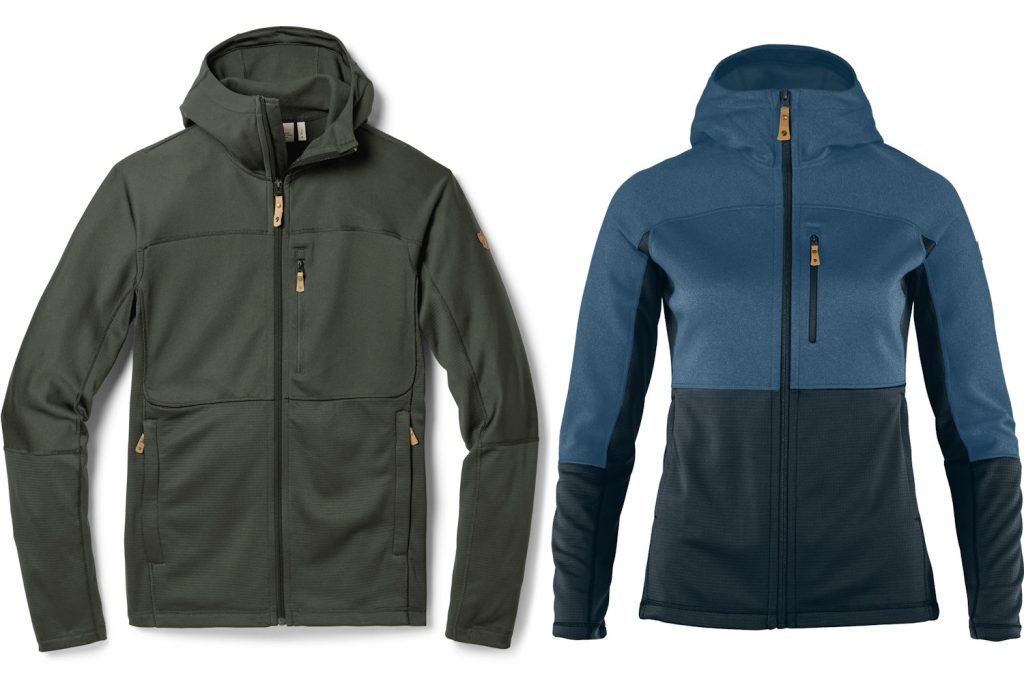
Water/Wind proof Jacket
Your water/windproof jacket is your outer water repellent layer. Gore Tex, seam-sealed is recommended as well as a hood for added warmth.
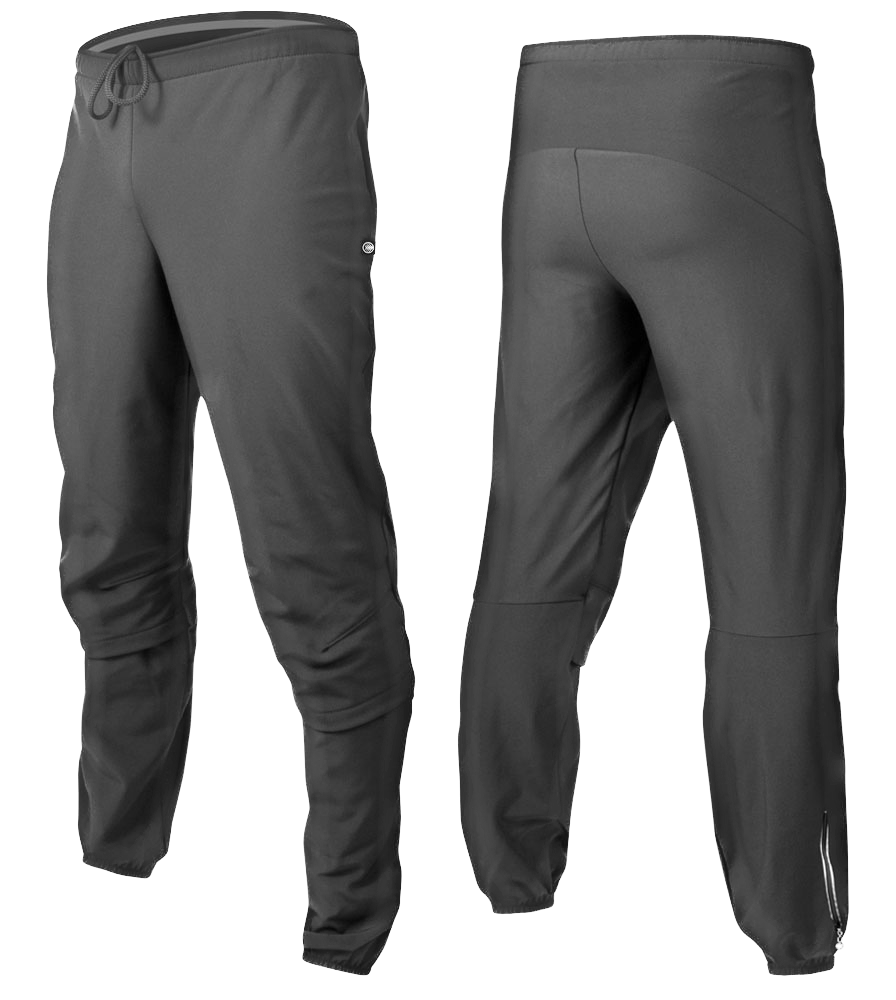
Water/Wind proof Pants
Your water/wind proof pants will be worn on summit day as well as on rainy afternoons. These pants are essential for warmth and should be Gore Tex lined and have lower leg zips.
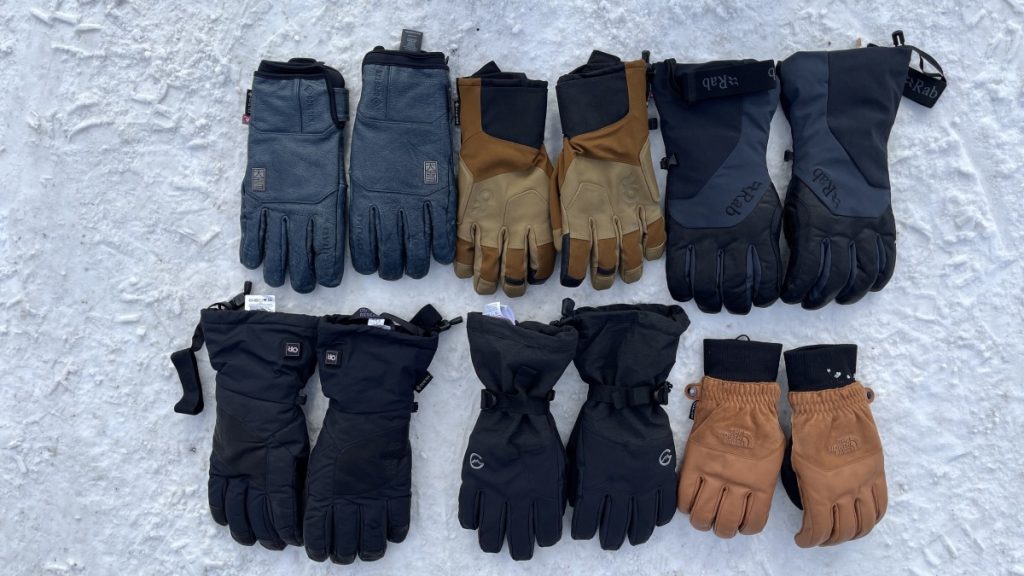
Water/Wind proof Mittens or Gloves
These are used for extreme temperatures and primarily worn on summit day. Be sure your gloves or mittens have a wrist cords as well as a reinforced palms to maintain grip during wet conditions. A removable liner is essential for drying, washing, and replacing.
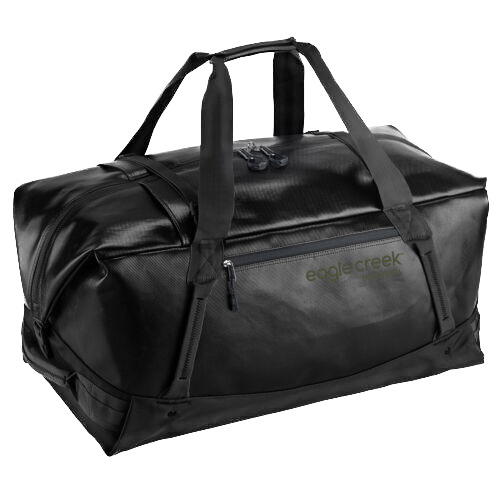
2 large duffel bags
One we will leave at the hotel in Arusha to store non-essential gear when on the mountain (such as clean clothes for changing when off the mountain and for onward travel) and the other for carriage by the porters when on the mountain.
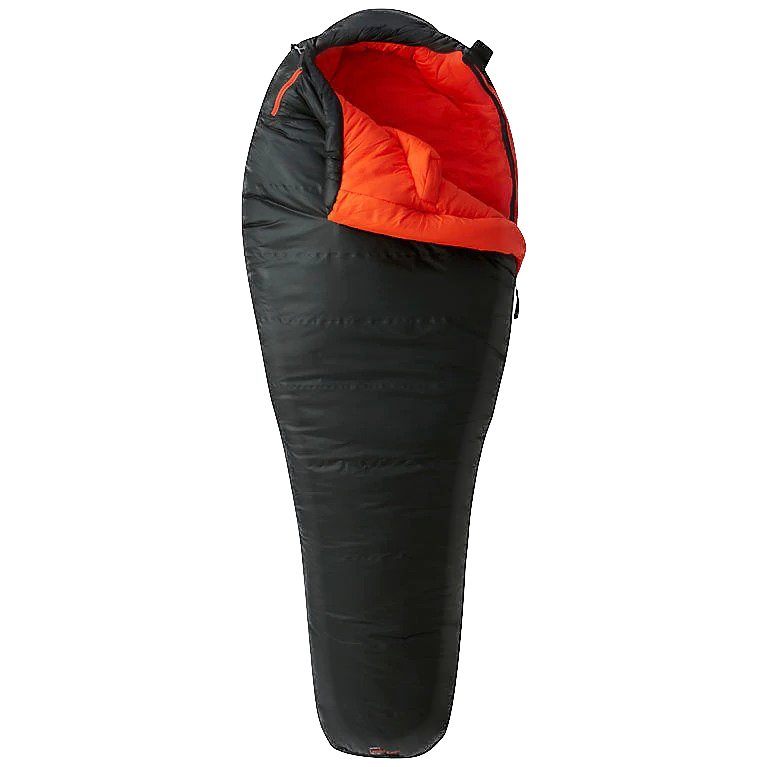
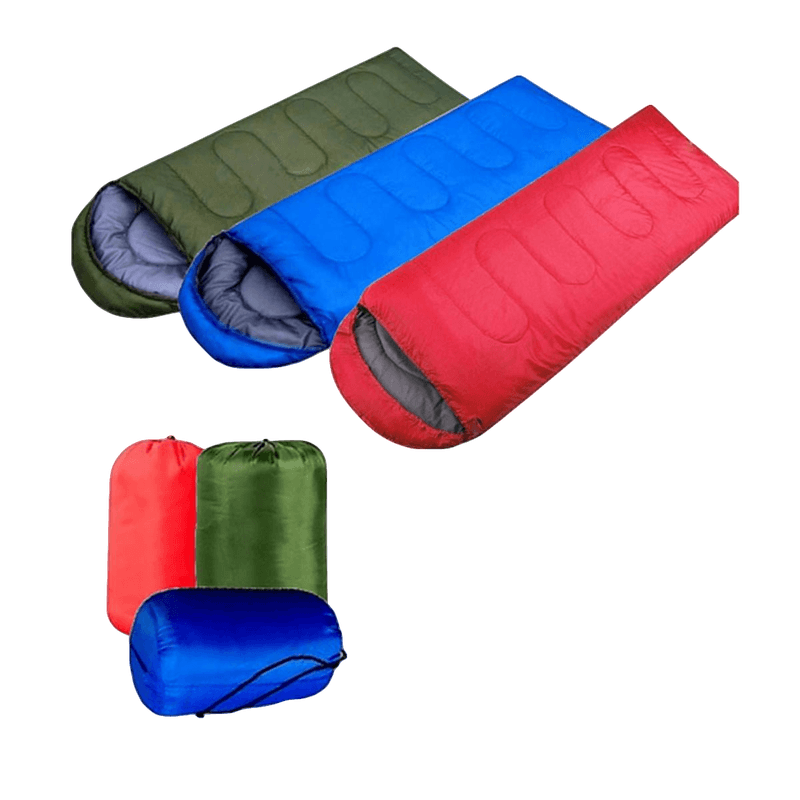
Sleeping Bag for Mount Kilimanjaro
What You Need to Know Before You Climb
No matter which Mount Kilimanjaro route you choose or the season of your climb, a high-quality sleeping bag is absolutely essential. Nights on Kilimanjaro can be extremely cold, especially at higher altitudes, where temperatures often drop well below freezing. A proper sleeping bag ensures warmth, comfort, and quality sleep, all of which are crucial for altitude adaptation and overall trekking success.
When choosing a sleeping bag for Kilimanjaro, warmth should be your top priority. Sleeping bags are designed with three temperature ratings that help trekkers understand how the bag performs in different conditions:
Comfort Temperature – the lowest temperature at which most people can sleep comfortably without feeling cold. This is the most important rating for Kilimanjaro climbers.
Limit Temperature – the lowest temperature at which an average person can sleep for several hours while curled up, but with some cold discomfort.
Extreme Temperature – a survival rating only. It indicates the lowest temperature the bag can handle in an emergency and should not be relied upon for normal use.
For a safe and comfortable Kilimanjaro climb, it is recommended to use a sleeping bag rated between -10°C and -20°C (14°F to -4°F). Down-filled sleeping bags are popular due to their excellent warmth-to-weight ratio, while synthetic sleeping bags perform better in damp conditions and are easier to maintain.
A well-insulated sleeping bag not only keeps you warm but also helps your body recover after long hiking days, improves sleep quality, and reduces the risk of altitude related fatigue. Combined with a good sleeping mat, your sleeping system becomes one of the most important pieces of Kilimanjaro trekking equipment.
Choosing the right sleeping bag for Mount Kilimanjaro can make the difference between a comfortable, enjoyable adventure and restless, freezing nights. Always invest in quality gear it’s a key part of reaching Uhuru Peak successfully.
Things to Keep in Mind about the Essentials
Look for items that will add less volume to your overall pack. We will be using porters to carry our equipment however they are limited in the amount each can carry. Heavy synthetic materials will be very limiting and could cause issues when packing up for the hike.
Clothing & Layering:
2 pairs synthetic warm weather trekking socks
These socks are for trekking in the warmest part of the day since they are made of a Coolmax® fabric. What is Coolmax®? – CoolMax® wicks moisture, dries quickly and breathes well, keeping your feet dry and preventing blisters.
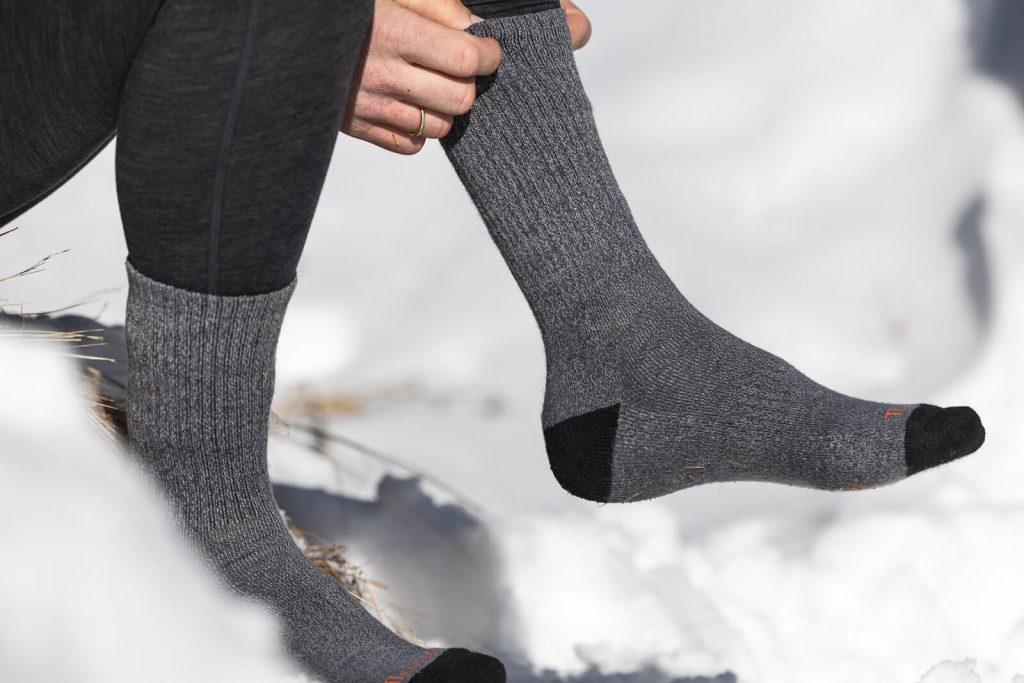
4 pairs heavier synthetic or wool blend socks
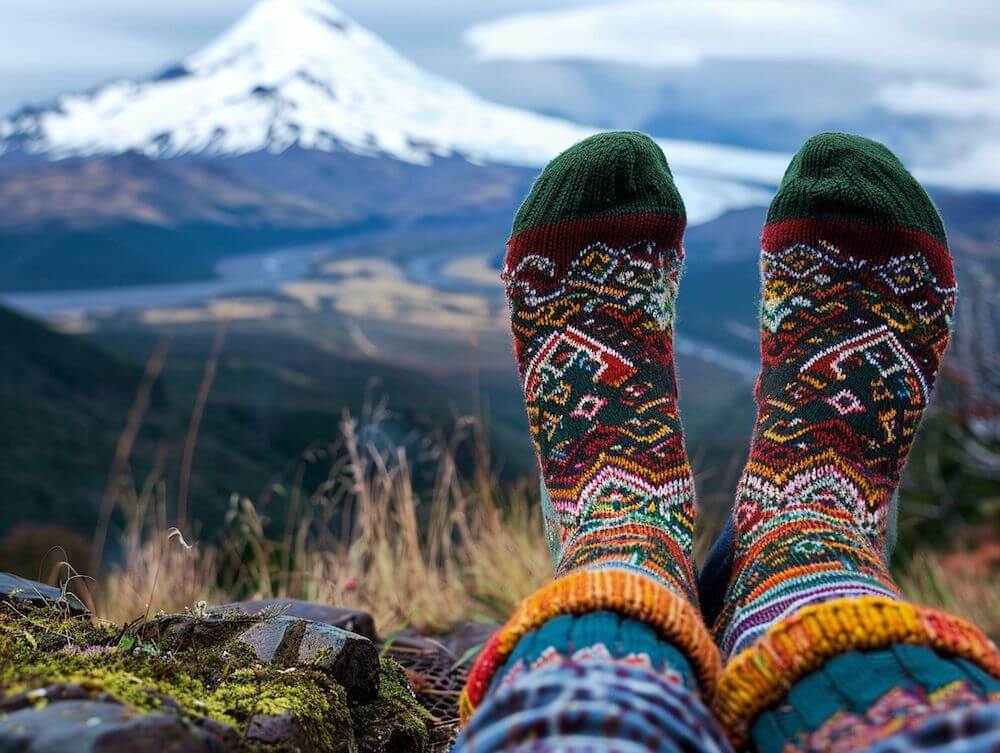
Your wool socks are ideal for around camp when the temperature drops as well as on cold mornings. Merino wool is very comfortable and dries quickly with fewer odors than synthetic blends.
4 pairs heavier synthetic or wool blend socks
Your wool socks are ideal for around camp when the temperature drops as well as on cold mornings. Merino wool is very comfortable and dries quickly with fewer odors than synthetic blends.
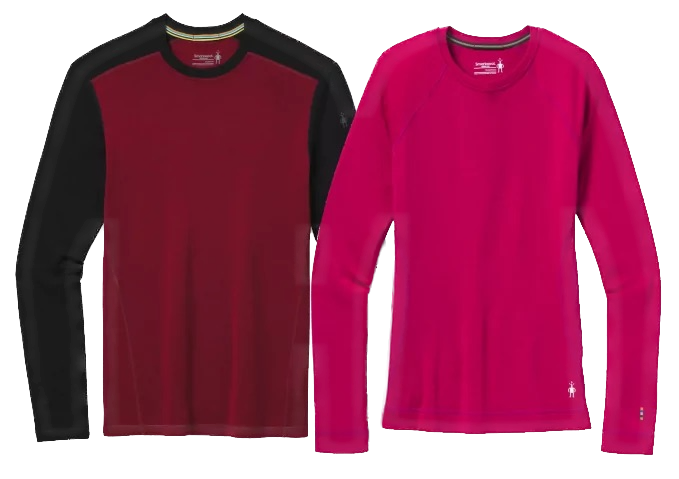
2 pairs long underwear top
This will be your base layer for colder mornings, evenings, and days where the temperature drops considerably. The material is lightweight, tight fitting, moisture wicking, and comfortable.
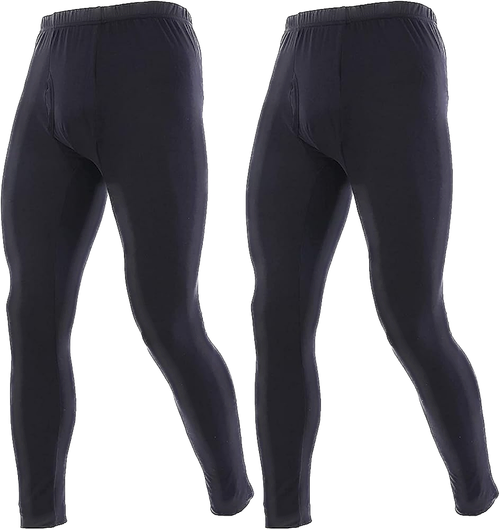
2 pairs long underwear bottom
This will be your bottom base layer for colder mornings, evenings, and days when the temperature drops considerably. The material is lightweight, tight fitting, moisture wicking, and comfortable.
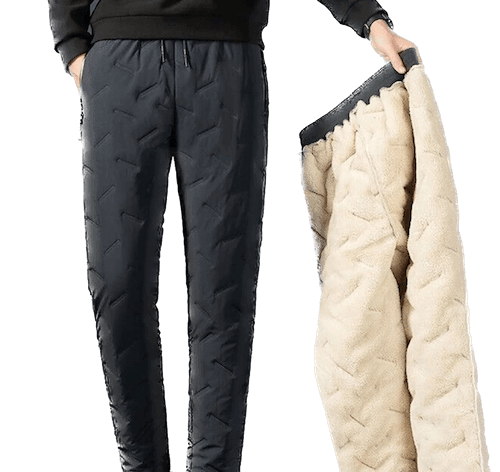
Warm pants
These pants are ideal for evenings around the camp and cold days on the trail. Typically made of lightweight fleece and Wind Pro material, these pants should offer the added warmth in case of cold nights or high winds on the summit.
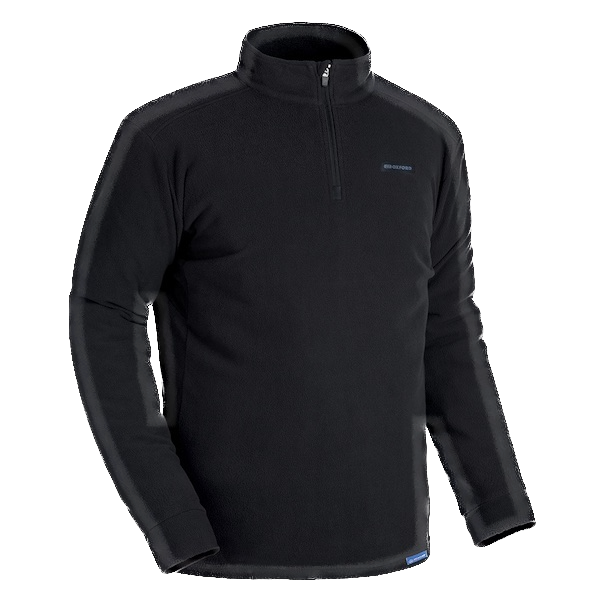
Fleece Top
This Polarte 200 weight top will provide added warmth during the evenings as well as on cold morning starts. Please look for fleece material and stay away from cotton sweatshirts. Ideally, this item is worn over the thermal base layer and underneath your water/wind proof jacket.
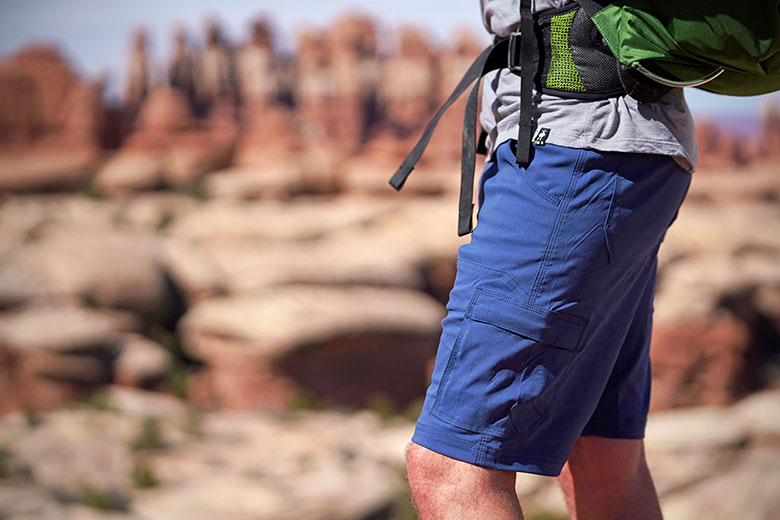
2 pairs Shorts/Pants for Hiking
These convertible shorts/pants will be what we hike in everyday. They should be of a lightweight, quick drying nylon material. Some come with UPF protection and mosquito protection.
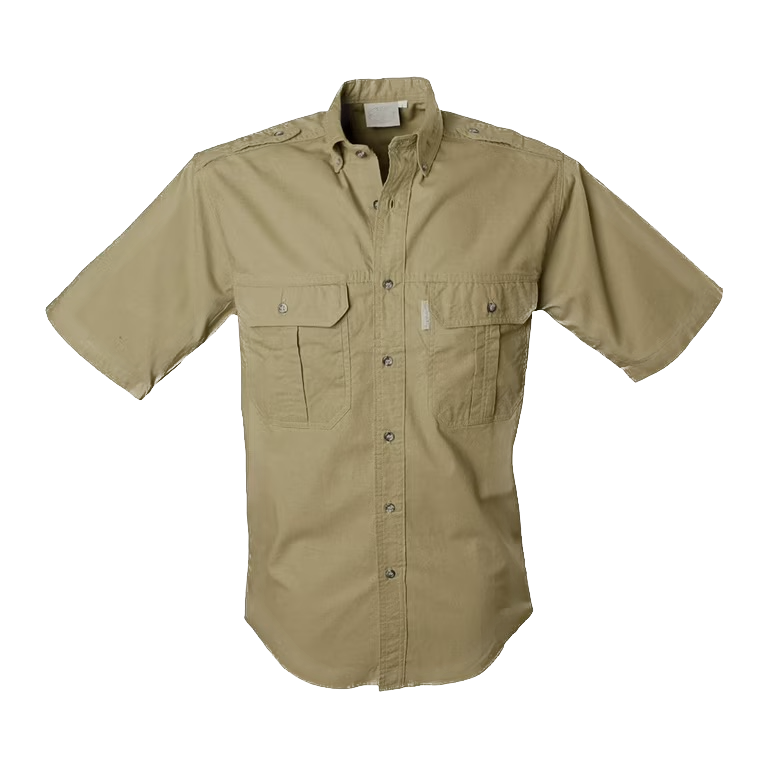
2 pairs long or short sleeve shirts for the trail
Your trekking shirt is what we should wear early in the climb in warmer climates. The shirt is moisture wicking, light weight, and designed for multi-day hikes.
Mid-Layer Top
This shirt is a long sleeve version of the one provided above. The long sleeve trail shirt offers added warmth, more protection from the sun, and an additional layer for evenings and early morning starts.
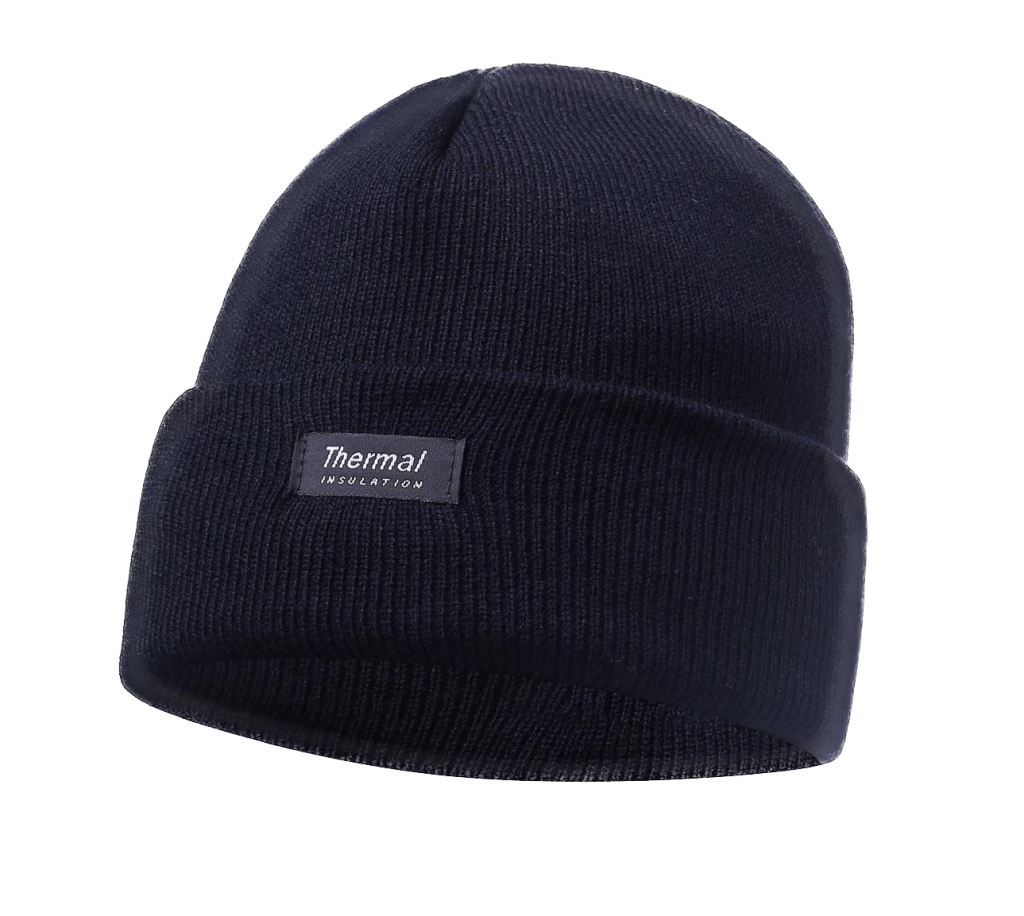
Warm Hat
This fleece or wool hat is ideal for evenings and will be valuable in the event of cold weather and temperatures on the summit. The hat should be tight fitting with minimal loose ends.
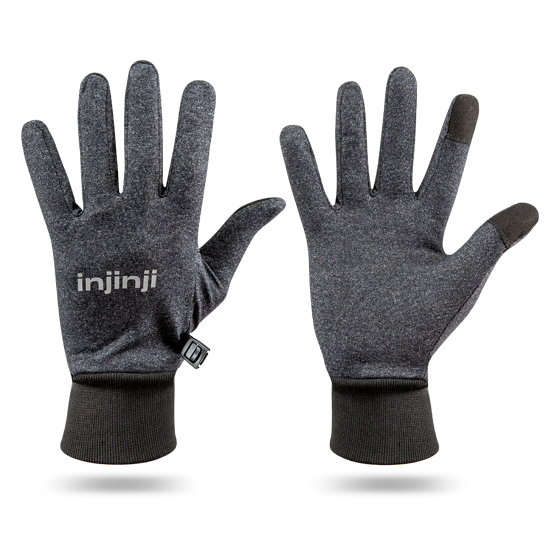
Lightweight Gloves
Fleece gloves are essential. Look for gloves that are Polartec 200 weight with a leather reinforced palm. For more protection wind proofing is available and will add an extra layer of warmth.
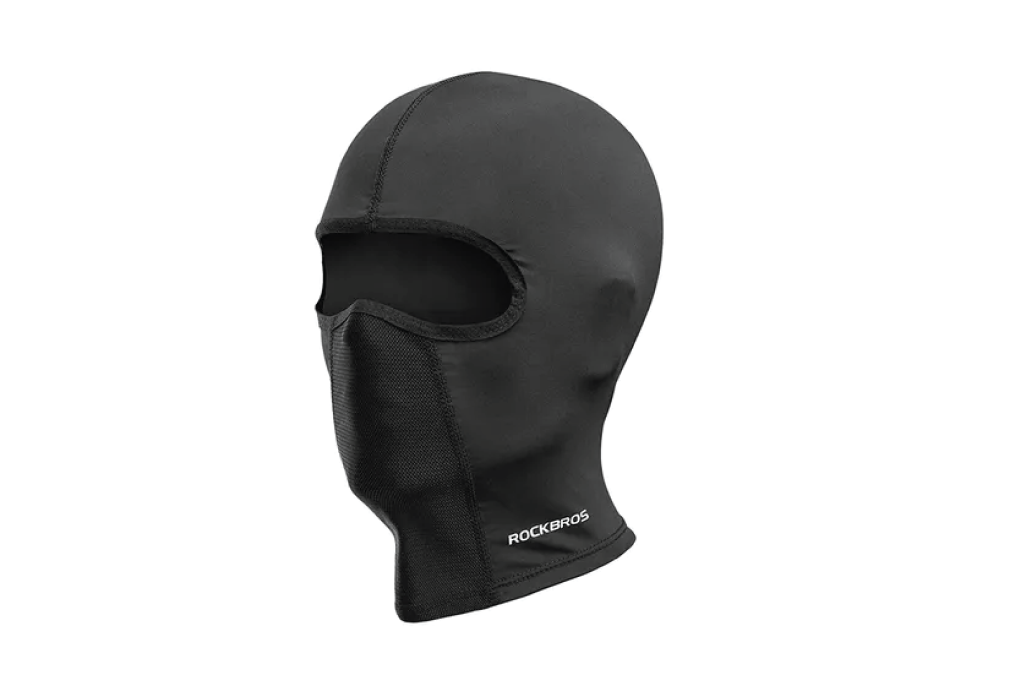
Balaclava
The balaclava provides added warmth on summit day and colder evening. The balaclava should be of synthetic or wool material, light weight, and close fitting.
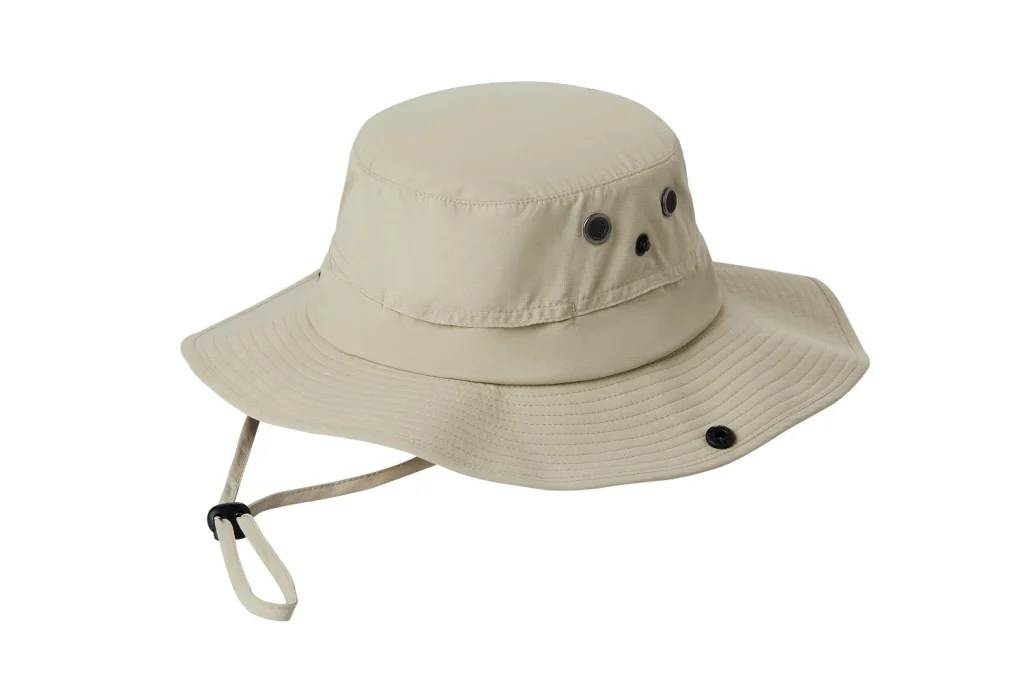
Sun hat
our sun hat should be worn at the lower camps and should provide ample coverage for the face. A full brimmed hat is good for added shade and increased sun protection. Additionally, a neck scarf should also be considered to protect the back of the neck”.
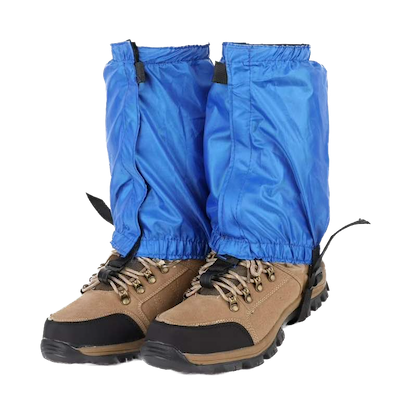
Waterproof breathable Gaiters
Your gaiters should be lightweight and durable. Look for Gore Tex lined with the ability to fit over your boots. Velcro or adjustable sides for easy access is recommended.
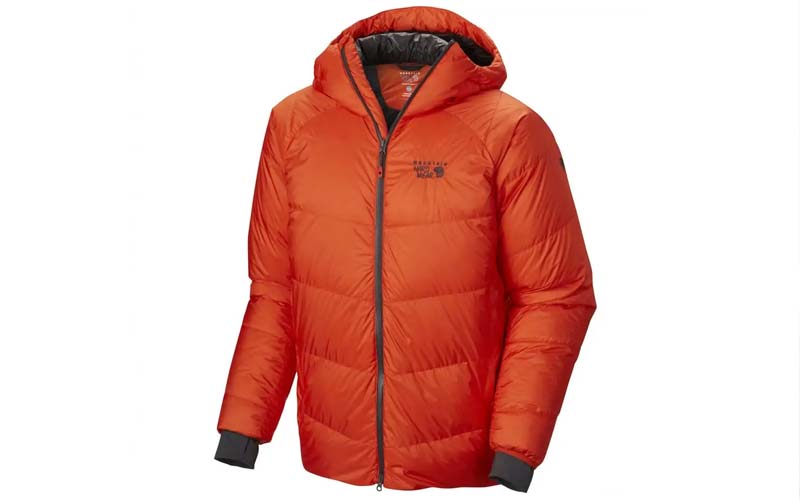
Down Jacket
800 fill down jacket will add much need warmth for cold evenings as well as the added layers for summit day. Down is recommended for its compressibility and is comfortable around camp in the early nights on the climb. Patagonia, Mountain Hardware, Marmot, and North Face are brands the guides wear.
Things to Keep In Mind for Clothing
Less is more!!! It is important to bring the essential gear discussed above, but it is more important to refrain from bringing items that are not recommended. Items to stay away from are cotton socks, jeans, multiple pairs of shoes, and heavy sweatshirts. Look for items that are moisture wicking and quick drying fabrics as opposed to cotton fabrics.
Additional Items:
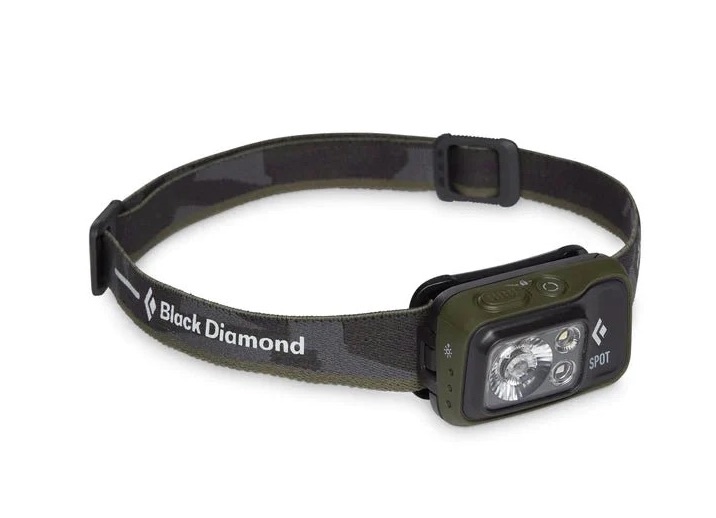
Head Lamp
Petzl® and Black Diamond® make several models of small and efficient head lamps. Look for ones that have multiple lighting levels, LED bulbs and uses AAA batteries.
Please bring at least 3 sets of spare batteries to ensure ample lighting on your summit attempt.
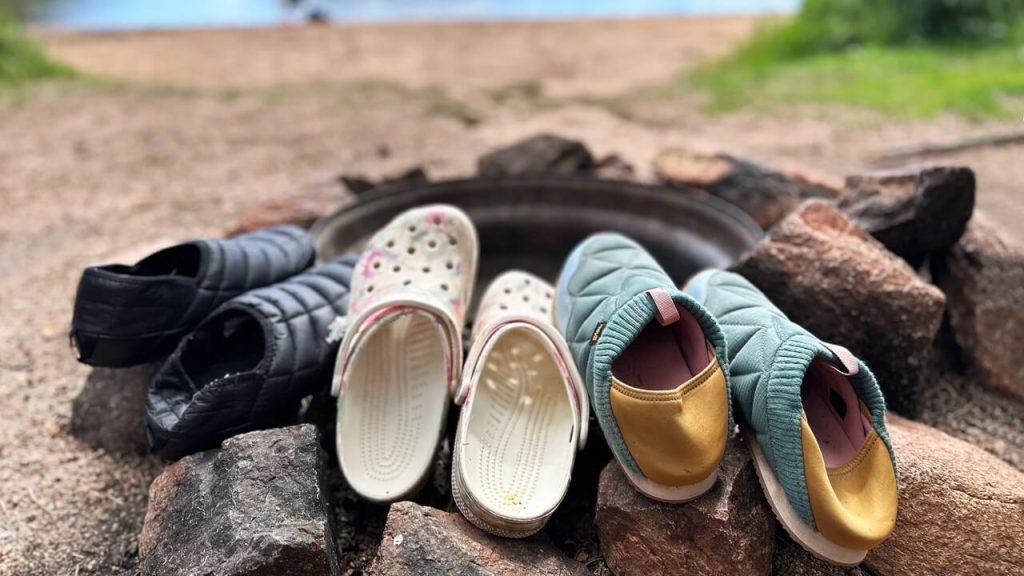
Camp shoes (Teva, Crocs, Sandals)
These are great for around camp after a long day on the trail. These can also be used for creek crossings that may be higher than the boot. Flip flops work well in warmer climates but are not as effective during cold nights.
Hydrator
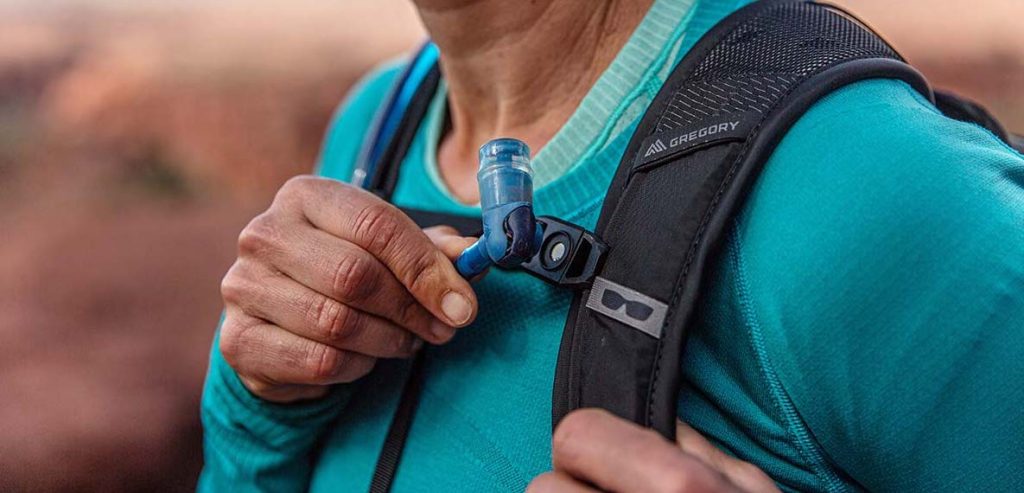
Hydrators are ideal when hiking for several hours because they enable you to drink slowly and frequently. 2-3 liters is a good size and should fit easily into your pack. All Camelbaks come with a bite valve, or on/off switch, as well as a large access port for filling. You must bring a NEOPRENE SLEEVE for the hose to prevent freezing.
Bug Spray
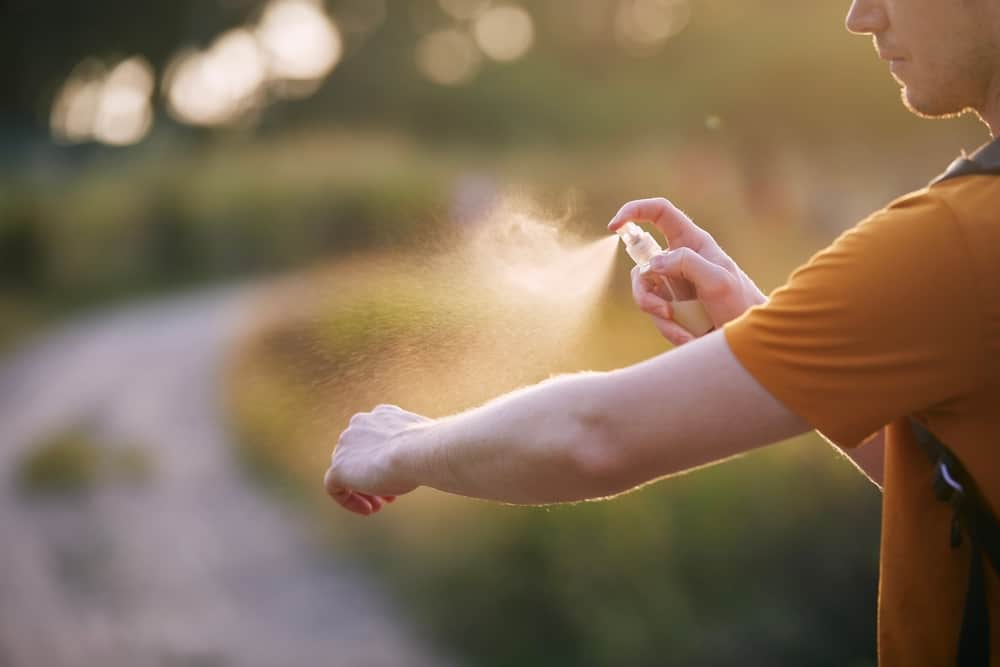
DEET based products work well and we find that the spray on versions last longer and are less messy. 4-6 ounce repellents that are perspiration and splash resistant are great.
Sun Screen
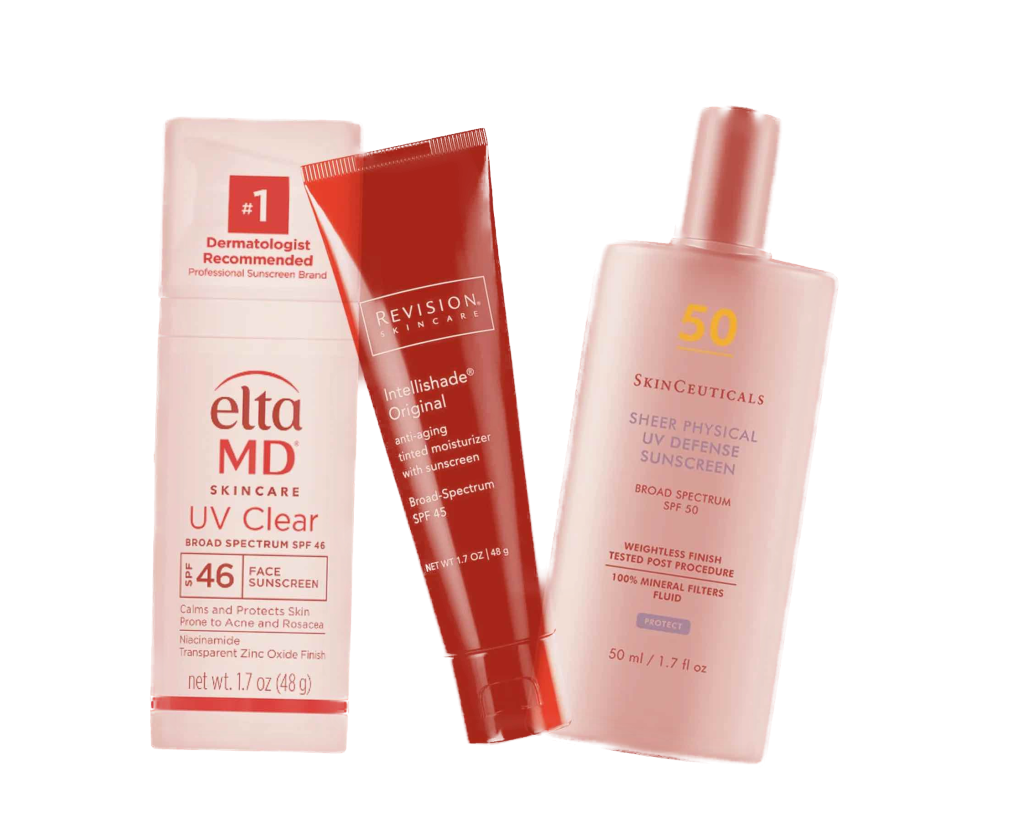
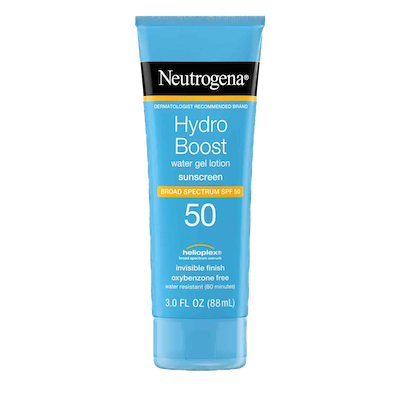
30 SPF or higher is recommended as well as water proof and sweat proof. 8 ounces will be plenty and we typically carry one with 45+ SPF for our faces and a 30 SPF for other exposed areas. Banana Boat, REI, Kinesis and All Terrain are good options.
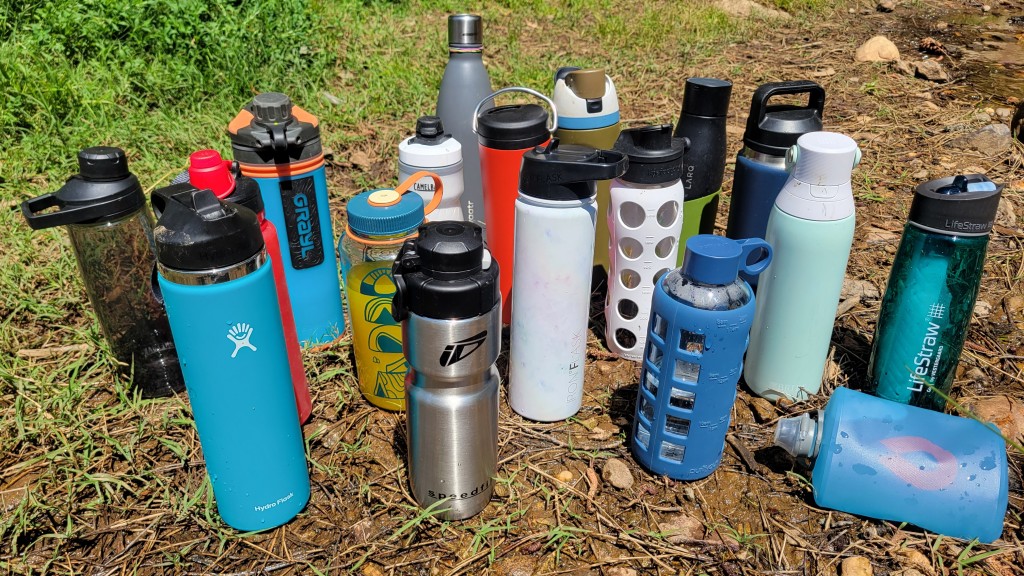
2 wide mount water bottle
A 1 liter water bottle is essential for hydrating at lunch, around the camp, and refilling throughout the day. Stay away from glass and heavy metals and look for lexan® for durability.
For males a third water bottle should be considered for use as a potty at night and must be labeled accordingly.
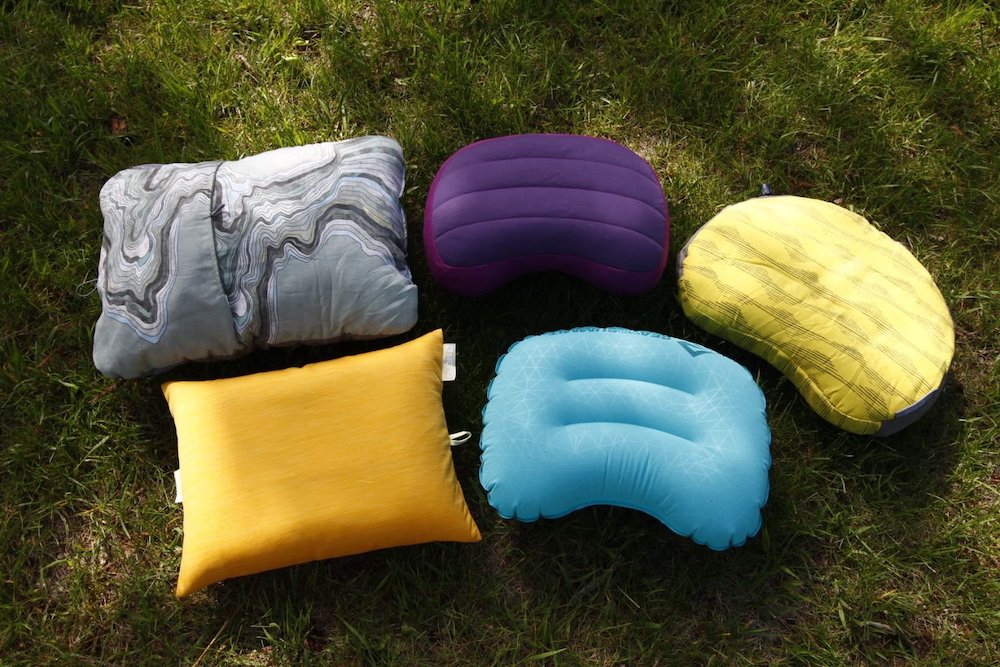
Pillow
A Thermarest® pillow that compresses down or folds into itself is ideal. A good benchmark for size and weight are 18 X 14 inches and 9 ounces total.
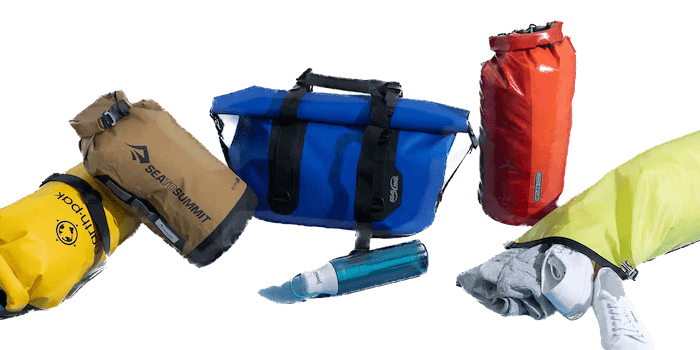
Dry Bag
DEET based products work well and we find that the spray on versions last longer and are less messy. 4-6 ounce repellents that are perspiration and splash resistant are great.
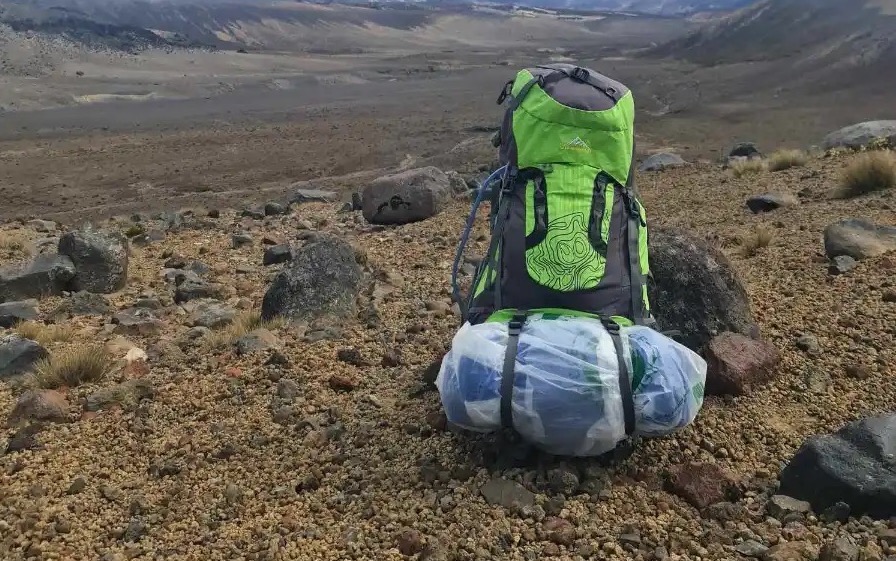
Pack Cover
The pack cover is an additional item we recommend everyone carry in case we encounter heavy rains. The pack cover should have a drawstring cord and elastic edges to fit firmly over your bag. A 40 liter cover will work well on any day pack.
Trekking Poles
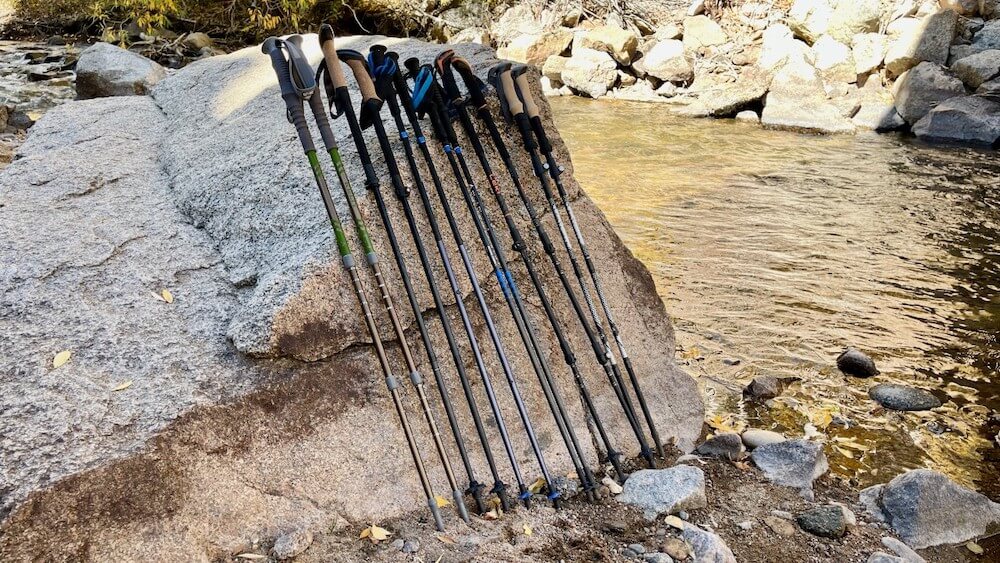
Collapsible poles are great for steep downhill terrain and assistance up hill. If you have knee problems they reduce the impact on your joints by 20-30%. A nice soft foam grip will help prevent blisters and the poles with an aluminum shaft are durable and light weight.
Camp Towel
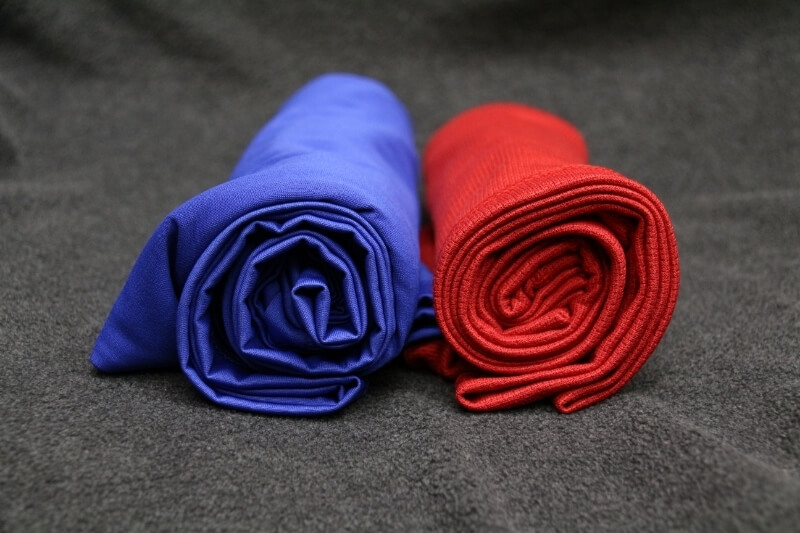
The camp towel should be of a polyester nylon blend that dries quickly and compacts tightly in your pack. The large (50 X 27 inches) is a good size and can be used to wash up at the end of the day. Stay away from house or beach towels.
Optional Items:
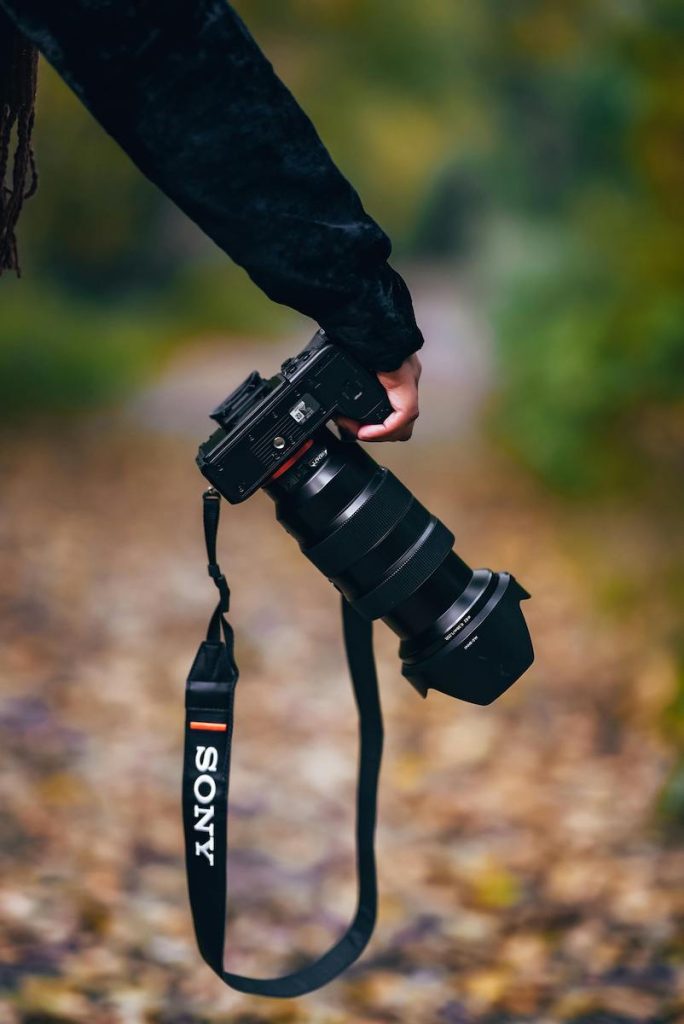
Camera
Paperback book
Journal with pen or pencil
Person First Aid Kit (band aids, mole skin or second skin, Ibuprofen, Aspirin)
Hand sanitizer
Sani-wipes
Hand & feet warmers (2X) – Gel/ air activated are best
Bandanna
Cell phone (with solar charger e.g. solar monkey charger) since you tri and quad band phones work on Kilimanjaro
Flavored chocolate/energy bars for snacks
A supply or rehydrate sachets
2 extra garbage bags for waterproofing and separating dirty laundry
Ear plugs
Ipod or MP3 player
Pocket knife
Water-flavoring to mask the iodine taste in the purified water
Additional Items.
In general, there are four types of layers:
Base Layer:
The task of the base layer is to maintain a dry and comfortable microclimate next to your skin. The base layer will therefore absorb all the moisture from your skin and then spread it out over the surface of the base layer where it will be evaporated via the other clothing layers. Typical base layer fabrics are: CoolMax®, Polartec® PowerDry®, Wool, Patagonia®Capilene®.
Insulation Layer(s)
This layer provides more warmth if the base layer and the shell layer do not provide enough insulation on their own. It traps small pockets of air in the fabric the insulation layer is made of which slows down the loss of heat. Typical insulation fabrics are: Polartec® Classics®,Berber pile, and Windstopper
Shell Layer:
The shell layer provides protection from wind, rain, sleet, and snow, without allowing the build-up of condensation inside the clothing system. It protects while allowing moisture vapor to pass through. Shell fabrics are Gore-Tex, Hyvent, Aqua-Dry, and Dri-Lite.
‘Super’ Insulation Layer:
This layer provides more warmth if the base layer and the shell layer do not provide enough insulation on their own. It traps small pockets of air in the fabric the insulation layer is made of which slows down the loss of heat. Typical insulation fabrics are: Polartec® Classics®,Berber pile, and Windstopper
What our Client Say
Posted on
Rachel M
Verified
The best, most thoughtful and memorable hiking tour
I went with my dad on the 8 day Lemosho Route Kilimanjaro climb with Kiliclimb, and Moses and his team put together an absolutely incredible trip! Everything was flawless from start to finish, from the organization and service to the guides, crew, and overall experience.Our guides (Baraka and Godson) were the best and genuinely so kind and caring, checking in constantly and even doing daily wellness checks. They provided daily briefings and always clearly communicated what was ahead. What stood out to me even more was hearing the guides talk about how great Moses is and how much they enjoy working for him. That says a lot about the company and, in my opinion, really matters when choosing an outfitter!The food was spectacular the entire trip and clearly planned with altitude in mind. We had the best soup every day, plus amazing fish, chicken, beef, and yes, even pizza! The whole team was remarkable and so tuned into our needs, including setting up a private bathroom tent, which was a huge comfort.Moses went above and beyond personally as well. Before the trip, he reviewed my gear and flagged that I did not have warm enough layers for summit day, then loaned me a jacket and pants so I was properly prepared. He also arranged transportation to and from the airport, making it truly feel like a full package experience.I could not have asked for a better Kilimanjaro climb, and I highly, highly recommend Kiliclimb to anyone considering the mountain!
Posted on
Sightseer03489358946
Verified
Kili, wow I did it.
Großartige Tour mit einem tollen Veranstalter. Sehr gute Betreuung von einem perfekt vorbereitetem, zuverlässigen erfahren Team. Kann ich nur empfehlen, war sehr spaßig und voller neuer, schöner Eindrücke trotz Anstrengung, die eine Tour auf einen 5895 Meter hohen Berg, mit sich bringt.
Posted on
Patrick B
Verified
Great communication, reliable service, good value for money and an unforgettable Kilimanjaro tour.
Our Kilimanjaro tour was an incredible experience, made truly unforgettable by a mature, highly reliable, trustworthy, friendly, positive, and very experienced team.”
Posted on
Dong J
Verified
The best Guide for Kilimanjaro and safari in Africa
My friend and I did 6 days Kilimanjaro Climb via The Machame Route for 6 days and The whole Team was Super Helpful and Friendly from Answering our queries 24/7 available to Day one to day 6 everything went really Smoothly and professionally!! We got Top notch Service and you could tell that they really care and passionate about their job !! I would highly recommend this company to anyone who wants the best experience in Tanzania and on mountain Kilimanjaro
Posted on
Emily A
Verified
Amazing Local Company
A friend and I went on a 4-day private safari through Tarangire, Ngorongoro Crater, and the Serengeti, and it was absolutely incredible. From start to finish, the Kiliclimb staff exceeded our expectations. After completing our Kilimanjaro trek, we were staying at a hotel in Arusha and were greeted by the team and picked up directly from the hotel, which made the transition seamless and stress-free.We were incredibly lucky to have Ombeni as our guide. Thanks to his deep knowledge of the parks and strong relationships with other guides and rangers, we saw every animal we hoped for. He constantly checked in with us, asking for feedback and what we wanted to focus on each day, which made the experience feel truly personalized.Ombeni was funny, kind, and genuinely made the trip unforgettable. And don’t sleep on his photography skills, he’s seriously talented! We couldn’t recommend this local company more. They also gave us t-shirts and safari hats which was a nice touch!
Posted on
Saki
Verified
Unforgettable 4-Day Adventure – Onbeni is a Legend!
Our 4-day trip through the Serengeti, Ndutu, and Ngorongoro was the highlight of our travels, and that is entirely thanks to our guide, Onbeni.From the start, Onbeni brought a high-energy, positive vibe that made every game drive an adventure. His "superpower" is undoubtedly his eyes—his ability to spot wildlife is incredible. The absolute highlight was when Onbeni was the first to spot a rare leopard, giving us a private viewing before any other vehicles arrived!We also spent an unforgettable time driving alongside the Wildebeest migration, witnessing the magic of the newborn babies in Ndutu. Onbeni’s professionalism and deep knowledge of the land made us feel safe and informed throughout. If you want a guide who is professional, energetic, and has a "sixth sense" for finding animals, ask for Onbeni!
Posted on
Luna L
Verified
5/5 stars!
5/5 stars! This Tanzania safari local agency made our trip absolutely unforgettable. Our guide was super knowledgeable about wildlife—we spotted the Big Five smoothly and he shared fascinating facts about animals and local culture. The 4x4 jeep was comfortable, transfers were on time, and the lodges were clean with great food. No hidden fees, flexible schedule, and the team cared about every detail. 100% recommend for an amazing African safari experience!
Posted on
Scenic31703861634
Verified
Great experience!
Kiliclimb organized an extremely wonderful safari overall. Our expectations were exceeded by far. From the organization, to the hospitality, to the experiences, accommodations, and personal relationship with our guide Ombeni. Ombeni did an outstanding job. He knew every national park very well and knew exactly where we could observe animals. He was very friendly and always responded to our needs. You couldn't ask for a better guide than Ombeni at your side. Communication with the Kiliclimb management also worked wonderfully. We would recommend a safari with Kiliclimb at any time. Asante sana!
Posted on
Maurice B
Verified
Once-in-a-lifetime experience
Our safari tour was a unique experience! We didn't expect to see so much! We saw the Big Five, we saw a wildebeest migration, we saw the birth of a wildebeest calf and much more. Our guide, Ombeni, accompanied us for seven days and made so much possible for us. His flexibility, warmth and knowledge were invaluable. We felt very comfortable and highly recommend Kiliclimb! Thank you for everything. Asante sana!
Posted on
Joane B
Verified
Unforgettable 7-day safari with Kiliclimb Safari – highly recommended!
Our 7-day personalized safari with Kiliclimb Safari was simply fantastic and exceeded all our expectations. Thanks to our great guide Ombeni, the best guide you could wish for, we saw and learned an incredible amount. Every day was a new highlight!The tour was superbly organized, everything ran smoothly and professionally. The contact with Janeth via WhatsApp was particularly good. She was always available, extremely helpful, and always responded quickly and friendly. You feel well taken care of from the very beginning.We would book this safari again anytime and can recommend Kiliclimb Safari and Ombeni 100%. A unique experience that we will never forget!