Nestled along the steep, forested hills of Lake Tanganyika’s northern shore, Gombe Stream National Park is one of Tanzania’s most intimate and unique wildlife destinations. It may be small in size, but it carries immense global significance, particularly as the place where Jane Goodall began her groundbreaking research on wild chimpanzees in 1960. Today, Gombe is a haven for wildlife enthusiasts, primate lovers, birdwatchers, and anyone seeking a remote, serene adventure far from the crowds of the more famous safari parks.
This guide explores every aspect of visiting Gombe its history, wildlife, trekking experiences, conservation challenges, and practical tips for travelers to help you plan a fully immersive experience.
Gombe Stream National Park is Tanzania’s smallest national park, covering only about 52 square kilometers, but what it lacks in size, it makes up for in biodiversity, history, and scenic beauty. The park is located along the western edge of Tanzania, hugging the steep hillsides that drop down into Lake Tanganyika, one of the world’s deepest and longest freshwater lakes.
Gombe’s terrain is dramatic and varied. Forested valleys cut deeply into ridges that rise from approximately 766 meters above sea level to peaks over 1,300 meters, creating a maze of steep trails, bamboo thickets, and montane grasslands. The park’s evergreen and semi-deciduous forests provide shelter for numerous species of wildlife, while the streams that wind through the valleys sustain the rich flora and fauna.
Despite its small size, Gombe supports a remarkable diversity of life, including chimpanzees, monkeys, birds, reptiles, amphibians, and even some fish species in Lake Tanganyika. Its remote location ensures a peaceful and immersive experience, far from the hustle of Tanzania’s larger parks like Serengeti or Ngorongoro.
The global fame of Gombe Stream National Park stems largely from its connection to Jane Goodall, who began her field studies here in 1960. Her pioneering work transformed the way humans understand chimpanzees and challenged long-held assumptions about the differences between humans and other primates.
In 1967, the Gombe Stream Research Centre was established to support ongoing long-term studies of chimpanzee behavior, social structures, and culture. Today, it is recognized as the longest continuous wildlife field study in the world, providing over six decades of invaluable data on chimpanzees’ use of tools, social interactions, and even their conflicts.
One of the most notable events observed in Gombe was the so-called “Four-Year War” between two chimpanzee communities in the 1970s, where rival groups engaged in prolonged and violent conflict. These studies highlighted the complexity of chimpanzee societies and offered unparalleled insight into primate behavior.
Gombe also serves as a focal point for primatology and conservation research, with ongoing efforts to monitor the chimpanzee population, protect their habitat, and engage local communities in sustainable practices.
Chimpanzees: The Iconic Residents
Gombe Stream National Park, located on the scenic shores of Lake Tanganyika in Tanzania, is world-renowned for its chimpanzee population, one of the most studied in the world. Home to approximately 90–100 chimpanzees divided into three primary communities — Kasekela, Mitumba, and Kalande — the park offers visitors an unparalleled opportunity to observe these extraordinary primates in their natural habitat.
Since the 1960s, Gombe has served as a living laboratory for understanding chimpanzee behavior, largely due to the pioneering work of Jane Goodall. Visitors trekking through the forest can watch chimpanzees grooming, playing, vocalizing, and feeding. Remarkably, these primates use tools — sticks to extract termites, leaves to collect water, and other inventive methods — displaying intelligence and adaptability that offer profound insights into the evolutionary roots of human behavior.
Chimpanzees at Gombe live in complex societies with defined hierarchies and strong social bonds. Observing their interactions — from playful juveniles chasing each other through the canopy to alpha males asserting dominance — provides a vivid demonstration of the intricate social lives of these primates. Trekking through the steep valleys and dense forests of Gombe allows one to experience these behaviors in an immersive, unforgettable way.
Other Primates: A Primate Haven
Beyond chimpanzees, Gombe Stream National Park is a hotspot of primate diversity, hosting seven additional primate species.
These species collectively contribute to one of the richest primate assemblages in Africa, making Gombe a critical site for ecological research and wildlife tourism.
Birds: A Paradise for Birdwatchers
Gombe Stream National Park is also a birdwatcher’s dream, with over 200 species recorded across its varied habitats. The combination of forested valleys, bamboo thickets, riverine zones, and lakeshore environments supports an extraordinary diversity of birdlife.
Birds commonly seen include:
During migratory seasons, additional species pass through, enhancing the park’s avian richness and providing bird enthusiasts with opportunities to spot rare and seasonal visitors.
Other Wildlife: From Reptiles to Aquatic Life
While chimpanzees are the main attraction, Gombe Stream is home to an array of other fascinating creatures:
Habitat and Ecosystem Complexity
Despite covering only about 52 square kilometers, Gombe’s ecosystem is remarkably varied. Steep valleys, ridges, and gorges create microhabitats that support diverse flora and fauna. The park’s vegetation ranges from evergreen valley forests to semi-deciduous vine tangles, miombo woodland, and open grasslands on ridgelines. This structural complexity allows multiple primate species, birds, and smaller mammals to coexist in a relatively small area, making Gombe a unique biodiversity hotspot.
The forested landscape, interwoven with streams and the shoreline of Lake Tanganyika, provides critical resources for feeding, nesting, and sheltering wildlife. Bamboo groves, in particular, are important for chimpanzees and certain bird species, while the lakeshore supports fish-eating birds and aquatic mammals.
Conservation and Scientific Importance
Gombe Stream National Park is more than a tourist destination — it is a global center for conservation and scientific research. Long-term studies of chimpanzee social behavior, diet, and inter-community dynamics have yielded groundbreaking insights into primate intelligence and evolution.
Conservation efforts are ongoing, focusing on protecting chimpanzees, preserving forest habitats, and promoting sustainable ecotourism. Local Tanzanian staff monitor the chimpanzees daily, ensuring the park’s delicate ecosystems remain intact while providing guided experiences for visitors.
Gombe illustrates how research, conservation, and tourism can work together to protect a fragile yet extraordinary ecosystem. For travelers, the park offers not only adventure but a profound encounter with one of Earth’s most fascinating primates, the chimpanzee, alongside an abundance of other wildlife in a pristine African forest setting.
Conservation and Threats
Despite its protected status, Gombe faces several conservation challenges:
Visiting Gombe: Logistics
How to Get There
Gombe is accessible only by boat from Kigoma, a lakeside town. Kigoma can be reached by domestic flight from major Tanzanian cities or by road or train from within the country. From Kigoma, boats transport visitors across Lake Tanganyika to the park headquarters, offering scenic views of the lake and its surroundings.
Permits
A chimpanzee trekking permit is required for all visitors. Groups are kept small, usually around six people per group, to minimize disturbance to the animals. Permits must be arranged in advance, as they are limited, especially during peak travel seasons.
Accommodation
Accommodation options near Gombe are limited and rustic, often lodges or guesthouses situated close to the forest. Camping is also an option for adventurous travelers, offering an immersive experience within the park. Accommodations focus on comfort while blending into the natural environment.
Absolutely! Here’s a fully rewritten, long, detailed, SEO-friendly version of the Gombe Stream National Park activities and experiences section without any links:
Chimpanzee Trekking: Walking in Jane Goodall’s Footsteps
The highlight of any visit to Gombe Stream National Park is chimpanzee trekking. Guided by experienced rangers and trackers, visitors hike through steep forest valleys and dense tropical canopies in search of habituated chimpanzee communities, including the famous Kasakela group studied by Jane Goodall.
Once located, observers are typically allowed up to one hour to quietly watch chimps interact. You may witness them grooming, playing, feeding, or even using tools, providing a rare, intimate glimpse into our closest living relatives. Chimpanzee trekking at Gombe is not only thrilling but also deeply educational, connecting visitors to decades of groundbreaking primate research.
Forest Walks and Nature Hiking
Gombe is crisscrossed with numerous forest trails that explore its diverse terrain — from alpine bamboo groves and lush rainforest to open woodland and hills.
Guided walks provide insights into the park’s ecosystem, flora, and lesser-known wildlife, making each hike both relaxing and informative.
Lake Tanganyika Activities: Swimming, Snorkeling & Boat Experiences
Gombe lies along the steep, forested shoreline of Lake Tanganyika, one of the world’s oldest and deepest freshwater lakes. After a morning of trekking, visitors often take part in lakeside activities:
These activities provide a perfect balance between adventure and relaxation, complementing the intensity of chimpanzee trekking.
Birdwatching & Avian Diversity
Bird enthusiasts will find Gombe a true paradise, with over 200 recorded bird species. Forest, woodland, and lakeshore habitats make birdwatching rewarding year-round. Highlights include:
Seasonal migration brings additional species from November to April, making this period ideal for avid birdwatchers. Guided walks help locate both elusive forest species and more visible lakeside birds.
Visiting the Jane Goodall Research Center & Historical Sites
Gombe is not only a natural wonder but also a scientific landmark. The Jane Goodall Research Center continues decades of chimpanzee research and conservation. Visitors can explore the historical trails and campsites where Jane Goodall conducted her pioneering studies, offering a deep dive into primatology, social behavior of chimpanzees, and conservation efforts. This blend of history, science, and nature adds a unique, educational dimension to your adventure.
Other Wildlife & Primate Encounters
Although chimpanzees are the star attraction, Gombe’s forest supports a rich variety of wildlife:
This diverse fauna makes Gombe a comprehensive wildlife experience, appealing to both casual visitors and serious naturalists.
Conservation & Legacy Tourism
Visiting Gombe supports long-term conservation efforts, providing funding for research, habitat protection, and anti-poaching initiatives. The park is a living laboratory for studying chimpanzee behavior, ecology, and social structures. By exploring Gombe, visitors contribute to the protection of one of our closest animal relatives while raising awareness about environmental challenges like habitat loss and human-wildlife conflict.
When to Visit & Practical Tips
Why Gombe Stream National Park Stands Out
Gombe is more than a chimpanzee sanctuary. It is a scientific, historical, and natural treasure that offers intimate wildlife encounters in a pristine environment. With its diverse habitats, breathtaking lake vistas, educational trails, and the living legacy of Jane Goodall, Gombe provides an unparalleled primate and nature experience for conservation-minded travelers, adventure seekers, and wildlife photographers alike.
Gombe Stream National Park, located on the western shores of Lake Tanganyika in Tanzania, is a world-renowned destination for chimpanzee trekking and wildlife observation. Known for its lush forests, dramatic hills, and the pioneering research of Dr. Jane Goodall, Gombe offers a truly immersive experience in one of Africa’s most pristine ecosystems. Choosing the best time to visit is crucial, as weather conditions, wildlife activity, and accessibility all vary throughout the year.
Gombe enjoys a tropical rainforest climate with consistently warm temperatures. Daytime temperatures typically range between 25–28°C (77–82°F), while nights are cooler, around 17°C (63°F). The park experiences two distinct seasons:
The dry season is characterized by lower rainfall, firmer hiking trails, and more predictable weather, while the wet season brings dense greenery, flowing waterfalls, and a dramatic transformation of the landscape.
For most visitors, the dry season is the best time to explore Gombe, particularly for chimpanzee trekking and wildlife observation:
While the wet season presents some challenges, it also offers unique advantages for visitors seeking a different perspective of Gombe:
Ultimately, Gombe Stream National Park is a year-round destination, but understanding the seasonal differences ensures you plan your visit according to your priorities—whether it’s spotting chimpanzees, enjoying the forest’s lush beauty, or experiencing a tranquil, off-the-beaten-path adventure.
Other Destinations
What our Client Say
EXCELLENT Based on 223 reviews
 Posted on Tripadvisor
 Rachel MThe best, most thoughtful and memorable hiking tour I went with my dad on the 8 day Lemosho Route Kilimanjaro climb with Kiliclimb, and Moses and his team put together an absolutely incredible trip! Everything was flawless from start to finish, from the organization and service to the guides, crew, and overall experience.Our guides (Baraka and Godson) were the best and genuinely so kind and caring, checking in constantly and even doing daily wellness checks. They provided daily briefings and always clearly communicated what was ahead. What stood out to me even more was hearing the guides talk about how great Moses is and how much they enjoy working for him. That says a lot about the company and, in my opinion, really matters when choosing an outfitter!The food was spectacular the entire trip and clearly planned with altitude in mind. We had the best soup every day, plus amazing fish, chicken, beef, and yes, even pizza! The whole team was remarkable and so tuned into our needs, including setting up a private bathroom tent, which was a huge comfort.Moses went above and beyond personally as well. Before the trip, he reviewed my gear and flagged that I did not have warm enough layers for summit day, then loaned me a jacket and pants so I was properly prepared. He also arranged transportation to and from the airport, making it truly feel like a full package experience.I could not have asked for a better Kilimanjaro climb, and I highly, highly recommend Kiliclimb to anyone considering the mountain!Posted on Tripadvisor
 Sightseer03489358946Kili, wow I did it. Großartige Tour mit einem tollen Veranstalter. Sehr gute Betreuung von einem perfekt vorbereitetem, zuverlässigen erfahren Team. Kann ich nur empfehlen, war sehr spaßig und voller neuer, schöner Eindrücke trotz Anstrengung, die eine Tour auf einen 5895 Meter hohen Berg, mit sich bringt.Posted on Tripadvisor
 Patrick BGreat communication, reliable service, good value for money and an unforgettable Kilimanjaro tour. Our Kilimanjaro tour was an incredible experience, made truly unforgettable by a mature, highly reliable, trustworthy, friendly, positive, and very experienced team.”Posted on Tripadvisor
 Dong JThe best Guide for Kilimanjaro and safari in Africa My friend and I did 6 days Kilimanjaro Climb via The Machame Route for 6 days and The whole Team was Super Helpful and Friendly from Answering our queries 24/7 available to Day one to day 6 everything went really Smoothly and professionally!! We got Top notch Service and you could tell that they really care and passionate about their job !! I would highly recommend this company to anyone who wants the best experience in Tanzania and on mountain KilimanjaroPosted on Tripadvisor
 Emily AAmazing Local Company A friend and I went on a 4-day private safari through Tarangire, Ngorongoro Crater, and the Serengeti, and it was absolutely incredible. From start to finish, the Kiliclimb staff exceeded our expectations. After completing our Kilimanjaro trek, we were staying at a hotel in Arusha and were greeted by the team and picked up directly from the hotel, which made the transition seamless and stress-free.We were incredibly lucky to have Ombeni as our guide. Thanks to his deep knowledge of the parks and strong relationships with other guides and rangers, we saw every animal we hoped for. He constantly checked in with us, asking for feedback and what we wanted to focus on each day, which made the experience feel truly personalized.Ombeni was funny, kind, and genuinely made the trip unforgettable. And don’t sleep on his photography skills, he’s seriously talented! We couldn’t recommend this local company more. They also gave us t-shirts and safari hats which was a nice touch!Posted on Tripadvisor
 SakiUnforgettable 4-Day Adventure – Onbeni is a Legend! Our 4-day trip through the Serengeti, Ndutu, and Ngorongoro was the highlight of our travels, and that is entirely thanks to our guide, Onbeni.From the start, Onbeni brought a high-energy, positive vibe that made every game drive an adventure. His "superpower" is undoubtedly his eyes—his ability to spot wildlife is incredible. The absolute highlight was when Onbeni was the first to spot a rare leopard, giving us a private viewing before any other vehicles arrived!We also spent an unforgettable time driving alongside the Wildebeest migration, witnessing the magic of the newborn babies in Ndutu. Onbeni’s professionalism and deep knowledge of the land made us feel safe and informed throughout. If you want a guide who is professional, energetic, and has a "sixth sense" for finding animals, ask for Onbeni!Posted on Tripadvisor
 Luna L5/5 stars! 5/5 stars! This Tanzania safari local agency made our trip absolutely unforgettable. Our guide was super knowledgeable about wildlife—we spotted the Big Five smoothly and he shared fascinating facts about animals and local culture. The 4x4 jeep was comfortable, transfers were on time, and the lodges were clean with great food. No hidden fees, flexible schedule, and the team cared about every detail. 100% recommend for an amazing African safari experience!Posted on Tripadvisor
 Scenic31703861634Great experience! Kiliclimb organized an extremely wonderful safari overall. Our expectations were exceeded by far. From the organization, to the hospitality, to the experiences, accommodations, and personal relationship with our guide Ombeni. Ombeni did an outstanding job. He knew every national park very well and knew exactly where we could observe animals. He was very friendly and always responded to our needs. You couldn't ask for a better guide than Ombeni at your side. Communication with the Kiliclimb management also worked wonderfully. We would recommend a safari with Kiliclimb at any time. Asante sana!Posted on Tripadvisor
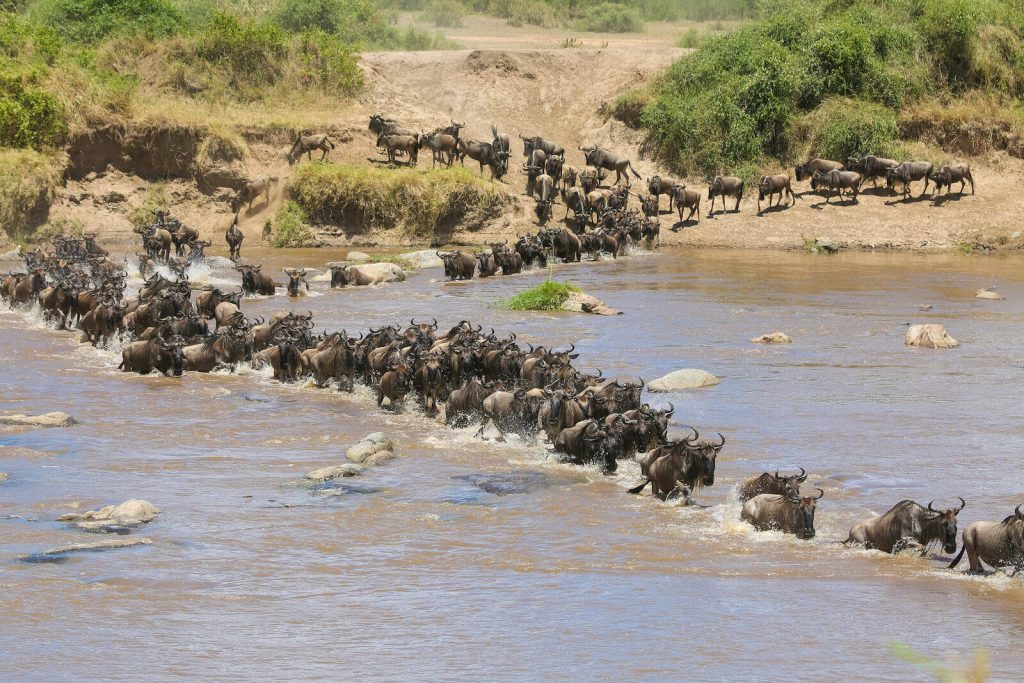
 Maurice BOnce-in-a-lifetime experience Our safari tour was a unique experience! We didn't expect to see so much! We saw the Big Five, we saw a wildebeest migration, we saw the birth of a wildebeest calf and much more. Our guide, Ombeni, accompanied us for seven days and made so much possible for us. His flexibility, warmth and knowledge were invaluable. We felt very comfortable and highly recommend Kiliclimb! Thank you for everything. Asante sana!Posted on Tripadvisor
 Joane BUnforgettable 7-day safari with Kiliclimb Safari – highly recommended! Our 7-day personalized safari with Kiliclimb Safari was simply fantastic and exceeded all our expectations. Thanks to our great guide Ombeni, the best guide you could wish for, we saw and learned an incredible amount. Every day was a new highlight!The tour was superbly organized, everything ran smoothly and professionally. The contact with Janeth via WhatsApp was particularly good. She was always available, extremely helpful, and always responded quickly and friendly. You feel well taken care of from the very beginning.We would book this safari again anytime and can recommend Kiliclimb Safari and Ombeni 100%. A unique experience that we will never forget!