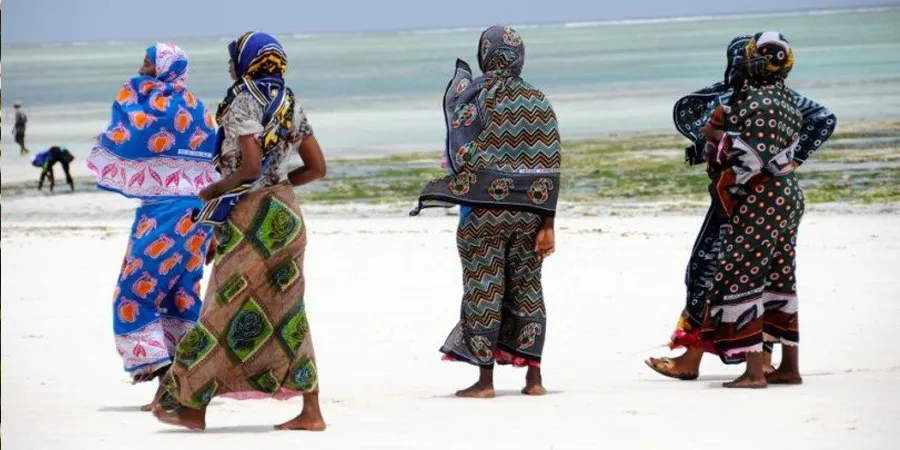
Tanzania is a country where every piece of clothing is a chapter in a larger cultural story. From the sun-drenched shores of Zanzibar to the pastoral plains of the Serengeti and the bustling streets of Dar es Salaam, Tanzanians carry their heritage in what they wear. Clothing here is not simply fabric draped on the body—it is a living language, full of history, symbolism, and creativity.
As Tanzanians say, “Mavazi hufunza tabia ya mtu” — clothing reflects a person’s character.
And nowhere is this expression more true than in the vibrant fashions of Tanzania.
At Kiliclimb Africa Safaris, we believe understanding Tanzanian clothing enriches your travel experience. Whether you’re browsing markets, visiting local tribes, or observing everyday life, you’ll notice how clothing ties people to their roots while embracing the modern world.
Below is the most comprehensive breakdown of Tanzanian clothing—traditional, cultural, spiritual, and modern.
1. Women’s Clothing in Tanzania: Symbolism, Beauty & Social Meaning
1.1 The Kanga – East Africa’s Most Iconic Message Cloth
The kanga is arguably Tanzania’s most recognizable traditional garment.
It is a lightweight rectangular cotton cloth printed with:
Kangas serve many purposes:
Kanga messages can be:
The kanga is a social tool, a fashion icon, and a symbol of womanhood passed from mother to daughter.
1.2 The Kitenge – Bold African Fashion With Endless Versatility
The kitenge is another essential fabric in Tanzanian culture. Thicker than kanga, with waxed prints and bold designs, it is used to tailor countless outfits.
Common kitenge clothing styles:
Kitenge patterns often portray:
Why Tanzanians love kitenge:
Many women have dozens of kitenge outfits tailored for specific events—weddings, kitchen parties, naming ceremonies, and church occasions.
2. Men’s Traditional Clothing in Tanzania
2.1 The Kanzu – Tanzania’s Elegant National Robe for Men
The kanzu, a long white robe, is worn across East Africa, but in Tanzania it carries special cultural weight.
Key features:
When Tanzanian men wear a kanzu:
Symbolism:
Many Swahili families keep kanzu robes as heirlooms—passed from father to son.
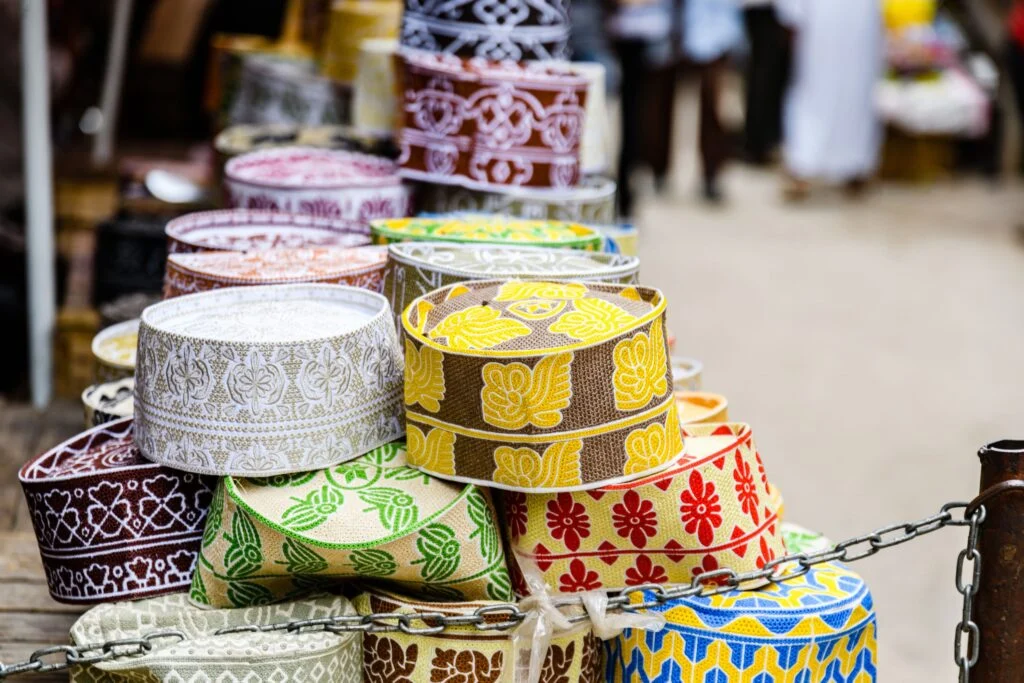
2.2 The Kofia – A Traditional Hat With History & Regional Identity
The kofia is a beautifully embroidered cylindrical hat worn mostly in coastal regions and by Muslim communities.
Historically:
Today:
Patterns vary by region:
Some include:
Every kofia is a piece of art, and its wearer is instantly recognized as a man of dignity.
3. Jewellery & Accessories – Art, Identity & Craftsmanship
Tanzanian jewellery is among the most vibrant in Africa.
It is more than decoration — it tells tribal stories, social roles, and spiritual beliefs.
3.1 Beaded Maasai Jewellery
The Maasai are world-famous for their beadwork:
Each color has meaning:
Beadwork indicates:
3.2 Coastal & Swahili Accessories
Coastal communities create:
These designs are influenced by Arab, Indian, and Bantu cultures, reflecting Tanzania’s trade history
4. Modern Fashion in Tanzania – Tradition Meets Global Influence
Tanzania’s fashion scene has grown immensely in the last decade.
Cities like Dar es Salaam, Arusha, and Zanzibar are home to:
4.1 How Tanzanians Mix Traditional & Modern Style
Common modern outfits include:
4.2 Swahili Fashion Week & Design Evolution
Swahili Fashion Week is East Africa’s biggest fashion event, bringing together:
The event promotes:
Tanzania’s fashion is no longer just local — it is global, modern, and continually evolving.
5. Clothing & Cultural Meaning Across Tanzanian Tribes
Tanzania has over 120 tribes, each with its own attire.
Some highlights:
5.1 Maasai
Known for:
5.2 Chaga (Kilimanjaro region)
Traditional attire for ceremonies includes:
5.3 Sukuma (Lake Zone)
Famous for:
5.4 Hehe (Iringa region)
Known for:
5.5 Hadzabe (Lake Eyasi)
Wear:
Tanzania’s cultural attire reflects regional climate, lifestyle, spirituality, and history.
6. Modesty, Religion & Dress Code in Tanzania
Tanzania is diverse—home to Muslims, Christians, and traditional belief systems.
6.1 Muslim Influence (Coastal & Island Regions)
You’ll see:
Zanzibar especially reflects centuries of Islamic influence on clothing.
6.2 Christian Influence
Many Christians prefer:
6.3 Urban vs Rural Fashion Differences
Even with global trends, Tanzanians maintain respect for cultural and religious values.
7. Clothing for Travelers – What to Wear in Tanzania
Visitors often ask:
“How should I dress in Tanzania?”
For Safari
For Coastal Areas
For Cultural Visits (like Maasai villages)
Shopping opportunities include:
Modern Fashion in Tanzania – Where Tradition Meets Global Trends
Urban centres like Dar es Salaam, Arusha, Mwanza, and Zanzibar City are emerging as fashion hotspots.
Tanzania’s modern style blends:
Young people effortlessly pair:
Events like Swahili Fashion Week and Nyerere Fashion Gala showcase Tanzania’s rising designers and models.
Today’s Tanzanian fashion scene is bold, innovative, and proudly African.
Cultural Meaning Behind Tanzanian Clothing
Every color, fabric, and pattern in Tanzania has a story.
The Maasai Shuka
The Maasai “shuka” (the iconic red checked cloth) represents:
It’s not just clothing; it is a statement of identity and heritage.
Gender & Clothing
Traditionally:
But modern trends are blending these norms.
Fashion in Tanzania has become more flexible, expressive, and dynamic.
Modesty & Religious Influence in Tanzanian Fashion
Tanzania is a country where culture and religion blend beautifully.
Many communities—especially Muslim and Christian families—value modest, respectful clothing.
You’ll see:
In cities, younger generations experiment with global trends while still honoring traditional modesty.
Why Tanzanian Clothing Matters for Travelers
As you explore Tanzania with Kiliclimb Africa Safaris, traditional clothing becomes part of the experience.
From Maasai villages during a safari to coastal markets in Zanzibar, you’ll see:
Purchasing a kitenge outfit, kanga cloth, or beaded bracelet is more than a souvenir—it’s a meaningful way to support local artisans and take home a piece of Tanzania’s cultural story.
Final Thoughts – Dress, Culture & Identity in Tanzania
Tanzanian fashion is:
From the everyday kanga to the elegant kanzu, from handcrafted Maasai jewelry to trendy urban styles, Tanzania’s clothing scene is a vibrant celebration of identity and creativity.
If you’re planning a safari or cultural tour, don’t miss the chance to explore Tanzania’s unique fashion world. You might fall in love with a kitenge shirt, a Maasai bracelet, or a beautifully stitched kanga that tells a story only Tanzania can tell.
Other blogs
None of us is as good as all of us.” By booking a safari, climb, or any trip with the Kiliclimb Africa Safaris team, you not only get an unforgettable holiday in Tanzania but also contribute to making the world a better place. We are proud to be a part of the communities we serve, dedicating 3% of our profits per trip to community support.



















+255 768 735 700 (Managing Director)
+255 764 117 423 (Founder & Expert Guide)
