
When travelers dream about Tanzania, they often picture the endless plains of the Serengeti, the snow-capped beauty of Mount Kilimanjaro, or the turquoise beaches of Zanzibar. But beyond the wildlife and landscapes lies something even more unforgettable — the people of Tanzania.
Tanzania is not defined by one tribe, one language, or one tradition. It is a nation woven together by more than 120 ethnic communities, each carrying its own stories, customs, music, food, and way of life. From the cattle-herding Maasai of the north to the Swahili culture of the coast, Tanzania is one of Africa’s richest cultural mosaics.
What makes this country remarkable is not only its diversity, but the harmony in which people live together. Despite different backgrounds, Tanzanians are united through Kiswahili, hospitality, and a deep sense of community.
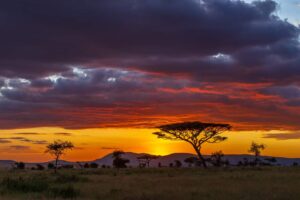
Tanzania is home to over 65 million people spread across mainland Tanzania and the islands of Zanzibar. Unlike many countries where one ethnic group dominates, Tanzania has no single majority tribe. This balance has helped create a strong national identity built on unity rather than division.
Wherever you travel in Tanzania — from Arusha to Zanzibar, from Lake Victoria to the southern highlands — you’ll notice one thing immediately: people welcome visitors warmly. Hospitality is not a performance here; it is part of daily life.
A simple greeting can open doors, start conversations, and create friendships.
The phrase “Karibu Tanzania” means more than “welcome.” It reflects the spirit of the country itself.
One of Tanzania’s greatest strengths is its national language, Kiswahili. Spoken across the country regardless of tribe or religion, Kiswahili has become the bridge connecting communities from every corner of the nation.
After independence, Tanzania’s first president, Julius Nyerere, promoted Kiswahili as a language of unity and equality. Today, it remains central to everyday life — heard in schools, markets, music, politics, and family conversations.
For visitors, learning even a few words creates instant smiles.
These simple phrases often become some of the most memorable parts of a safari experience.
Among Tanzania’s most recognized communities are the Maasai. Known for their red shukas, beadwork, and cattle culture, the Maasai continue to preserve traditions that have existed for generations.
Living mainly around Arusha, Ngorongoro, and Manyara, Maasai communities maintain a semi-nomadic lifestyle centered around livestock. Cattle are deeply connected to identity, wealth, and family life.
Visitors often admire the famous Maasai jumping dance, but there is far more to Maasai culture than ceremonies. Their knowledge of nature, weather, and wildlife has shaped life across East Africa for centuries.
On the fertile slopes of Mount Kilimanjaro live the Chagga people, known for farming, entrepreneurship, and strong community values.
The Chagga developed advanced irrigation systems long before modern infrastructure reached the region. Coffee farming became central to their economy, and today many local families continue to grow coffee in the mountain villages surrounding Kilimanjaro.
For climbers trekking the mountain, visiting a Chagga village offers a deeper understanding of local life beyond the adventure itself.
Traditional banana dishes, locally brewed banana beer, and stories passed down through generations reveal the rich heritage hidden beneath Kilimanjaro’s shadow.
Near Lake Victoria live the Sukuma people, Tanzania’s largest ethnic community.
The Sukuma are traditionally farmers and cattle keepers, and their culture is famous for energetic dance performances, drumming, and storytelling traditions.
Music plays a huge role in Sukuma life. Celebrations often include traditional snake dances, healing ceremonies, and community gatherings that bring generations together.
Near Lake Eyasi lives the Hadza community, one of the last remaining hunter-gatherer societies in Africa.
The Hadza way of life has remained closely connected to nature for thousands of years. Hunting with bows and arrows, gathering wild fruits, and sharing food equally remain part of daily life.
Spending time with the Hadza offers visitors a rare chance to experience a lifestyle deeply connected to the land and rooted in survival knowledge passed through generations.
The story of Tanzania cannot be told without the Swahili Coast.
For centuries, traders from Arabia, Persia, India, and Africa connected through the Indian Ocean, creating the unique Swahili culture that still shapes coastal Tanzania today.
In Zanzibar, ancient doors, spice farms, mosques, and narrow streets reflect this history beautifully. The island blends African traditions with Arab and Indian influences in architecture, food, music, and religion.
The rhythm of life in Zanzibar feels slower and deeply rooted in tradition.
Evening calls to prayer echo through Stone Town while fishermen return with fresh catches along the shore.
It is one of the most culturally fascinating destinations in Africa.
Tanzania is home to both Christians and Muslims, alongside traditional African beliefs that continue to influence daily life.
One of the country’s most admired qualities is religious harmony. In many families, relatives belong to different faiths while living together peacefully.
Mosques and churches often stand side by side, especially in cities like Dar es Salaam and Arusha.
Respect, tolerance, and shared community values remain deeply important across Tanzanian society.
Culture in Tanzania is alive through music and movement.
Traditional ngoma dances are performed during weddings, harvest celebrations, and ceremonies across the country. On the coast, taarab music blends African rhythms with Arab melodies, creating a sound unique to East Africa.
Modern Tanzania has also become famous for Bongo Flava — a music genre mixing hip-hop, Afrobeat, and Swahili lyrics.
Art also plays a huge role in Tanzanian identity.
The Makonde people are internationally respected for their intricate ebony carvings, especially the famous “Tree of Life” sculptures.
Meanwhile, colorful Tingatinga paintings continue to capture African wildlife and village life with vibrant creativity.
Food in Tanzania tells stories of migration, trade, and local tradition.
Along the coast, dishes are rich with coconut milk, spices, rice, and seafood. Zanzibar’s famous pilau and biryani reflect centuries of Indian Ocean influence.
Inland communities enjoy meals like:
Tea and coffee are part of everyday life, especially around Kilimanjaro and Arusha.
Sharing meals is an important social tradition, and guests are often welcomed generously.
Today’s Tanzania is young, energetic, and rapidly evolving.
Cities like Dar es Salaam and Arusha are growing quickly, with young entrepreneurs building businesses in tourism, fashion, technology, music, and media.
At the same time, traditional customs remain important. It is common to see modern city life existing side by side with deeply rooted cultural practices.
A young Tanzanian may spend the day creating social media content and the evening attending a traditional family ceremony.
This balance between modern life and heritage is part of what makes Tanzania so unique.
At Kiliclimb Africa Safaris, we believe travel should go beyond sightseeing.
The most meaningful journeys happen when visitors connect with local communities, learn traditions respectfully, and understand the stories behind the landscapes.
Whether sharing coffee with Chagga farmers, visiting Maasai villages, exploring Swahili culture in Zanzibar, or listening to stories around a campfire, these experiences create memories far deeper than photographs.
Cultural tourism also helps support local families, preserve traditions, and create sustainable opportunities for future generations.
Tanzania’s true beauty is not only found in its wildlife or mountains — it lives in its people.
It lives in the smile of a market vendor in Arusha, the songs of fishermen along the coast, the wisdom of Maasai elders, and the warmth shared over a simple cup of chai.
To travel through Tanzania is to experience humanity in its richest form — diverse, welcoming, resilient, and deeply connected to community.
At Kiliclimb Africa Safaris, we invite you not only to see Tanzania, but to truly experience it through the people who call this incredible country home.
Other blogs
None of us is as good as all of us.” By booking a safari, climb, or any trip with the Kiliclimb Africa Safaris team, you not only get an unforgettable holiday in Tanzania but also contribute to making the world a better place. We are proud to be a part of the communities we serve, dedicating 3% of our profits per trip to community support.


















+255 768 735 700 (Managing Director)
+255 764 117 423 (Founder & Expert Guide)
