Trip Start/End
Zanzibar
Destination
Jozani Forest & Chwaka Bay National Park
Meal
Picnic or BBQ
Trip Start/End
Zanzibar
Destination
Jozani Forest & Chwaka Bay National Park
Meal
Picnic or BBQ
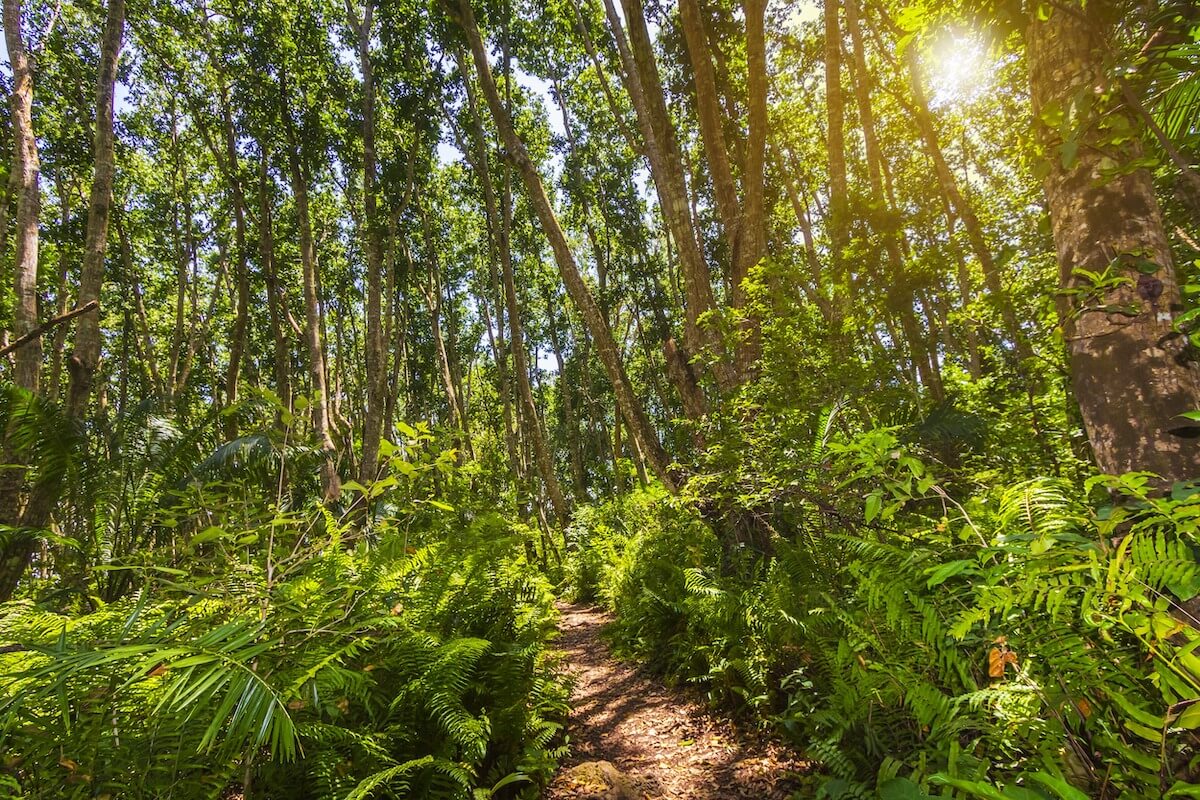
Nestled in the southeastern part of Unguja, the main island of Zanzibar, Jozani Forest formally part of Jozani-Chwaka Bay National Park is the only national park on the island and a true jewel of East African biodiversity.
Spanning approximately 50 square kilometers, this protected area preserves some of Zanzibar’s most critical habitats, including groundwater forest, mangrove swamps, coastal thickets, and coral rag scrublands.
The park is recognized both for its remarkable wildlife and as a successful model of community-driven conservation, making it an essential destination for eco-tourists, wildlife enthusiasts, and birdwatchers alike.
The star of Jozani Forest is undoubtedly the Zanzibar red colobus monkey (Piliocolobus kirkii), locally known as “kima punju.” This striking primate, with its distinctive reddish-brown fur and black face, is found nowhere else in the world. Classified as Endangered, the red colobus population was once threatened by habitat loss and hunting pressures, but sustained conservation efforts have stabilized and even increased their numbers to approximately 6,000 individuals today.
These monkeys are highly social, forming troops that move gracefully through the forest canopy, often pausing to forage, play, and interact with visitors, offering a rare opportunity for close observation and photography.
In addition to the red colobus, Jozani Forest is home to a diverse array of mammals, including:
The forest is also a haven for over 150 species of birds, ranging from vibrant Fischer’s turacos to mangrove kingfishers and black-bellied starlings. Birdwatchers can often spot these species perched on tree branches or moving stealthily through the forest undergrowth, while the mangroves host a unique array of water birds and waders.
Jozani Forest is not a single ecosystem but a complex mosaic of habitats, each supporting a unique set of flora and fauna:
The Jozani-Chwaka Bay Conservation Project, established in 1995, is a pioneering example of community-based conservation. Its primary goal is to protect the largest remaining patch of indigenous forest in Zanzibar, while simultaneously supporting local livelihoods. The project has achieved several successes:
Visitors’ entrance fees contribute directly to these initiatives, including compensating local farmers for crop losses caused by wildlife, ensuring that conservation remains a sustainable and community-driven endeavor.
A highlight of any Jozani visit is the Pete-Jozani Mangrove Boardwalk, a wooden walkway weaving through the dense mangroves and across tidal creeks. Walking along the boardwalk, visitors can observe juvenile fish, crabs, mollusks, and a variety of bird species that depend on this unique ecosystem.
The boardwalk offers stunning photo opportunities and a chance to learn about the ecological importance of mangroves in stabilizing coastlines, sequestering carbon, and sustaining marine biodiversity.
Tour Duration: 5 Hours
Morning Times: 8:00 AM – 1:00 PM
Afternoon Times: 1:00 PM – 5:00 PM
Jozani Forest offers an unforgettable glimpse into Zanzibar’s natural heritage, combining wildlife encounters, immersive ecological experiences, and meaningful contributions to local conservation. Whether you are a wildlife enthusiast, a nature photographer, or a curious traveler, Jozani Forest promises a rich, educational, and visually stunning half-day adventure in one of East Africa’s most unique ecosystems.
| Group Size | Price Per Person |
|---|---|
|
1 |
$ 506 |
|
2 – 5 |
$ 312 |
|
5 – 7 |
$ 270 |
What our Client Say
EXCELLENTVerified The best, most thoughtful and memorable hiking tour I went with my dad on the 8 day Lemosho Route Kilimanjaro climb with Kiliclimb, and Moses and his team put together an absolutely incredible trip! Everything was flawless from start to finish, from the organization and service to the guides, crew, and overall experience.Our guides (Baraka and Godson) were the best and genuinely so kind and caring, checking in constantly and even doing daily wellness checks. They provided daily briefings and always clearly communicated what was ahead. What stood out to me even more was hearing the guides talk about how great Moses is and how much they enjoy working for him. That says a lot about the company and, in my opinion, really matters when choosing an outfitter!The food was spectacular the entire trip and clearly planned with altitude in mind. We had the best soup every day, plus amazing fish, chicken, beef, and yes, even pizza! The whole team was remarkable and so tuned into our needs, including setting up a private bathroom tent, which was a huge comfort.Moses went above and beyond personally as well. Before the trip, he reviewed my gear and flagged that I did not have warm enough layers for summit day, then loaned me a jacket and pants so I was properly prepared. He also arranged transportation to and from the airport, making it truly feel like a full package experience.I could not have asked for a better Kilimanjaro climb, and I highly, highly recommend Kiliclimb to anyone considering the mountain!Posted on TripadvisorVerified Kili, wow I did it. Großartige Tour mit einem tollen Veranstalter. Sehr gute Betreuung von einem perfekt vorbereitetem, zuverlässigen erfahren Team. Kann ich nur empfehlen, war sehr spaßig und voller neuer, schöner Eindrücke trotz Anstrengung, die eine Tour auf einen 5895 Meter hohen Berg, mit sich bringt.Posted on TripadvisorVerified Great communication, reliable service, good value for money and an unforgettable Kilimanjaro tour. Our Kilimanjaro tour was an incredible experience, made truly unforgettable by a mature, highly reliable, trustworthy, friendly, positive, and very experienced team.”Posted on TripadvisorVerified The best Guide for Kilimanjaro and safari in Africa My friend and I did 6 days Kilimanjaro Climb via The Machame Route for 6 days and The whole Team was Super Helpful and Friendly from Answering our queries 24/7 available to Day one to day 6 everything went really Smoothly and professionally!! We got Top notch Service and you could tell that they really care and passionate about their job !! I would highly recommend this company to anyone who wants the best experience in Tanzania and on mountain KilimanjaroPosted on TripadvisorVerified Amazing Local Company A friend and I went on a 4-day private safari through Tarangire, Ngorongoro Crater, and the Serengeti, and it was absolutely incredible. From start to finish, the Kiliclimb staff exceeded our expectations. After completing our Kilimanjaro trek, we were staying at a hotel in Arusha and were greeted by the team and picked up directly from the hotel, which made the transition seamless and stress-free.We were incredibly lucky to have Ombeni as our guide. Thanks to his deep knowledge of the parks and strong relationships with other guides and rangers, we saw every animal we hoped for. He constantly checked in with us, asking for feedback and what we wanted to focus on each day, which made the experience feel truly personalized.Ombeni was funny, kind, and genuinely made the trip unforgettable. And don’t sleep on his photography skills, he’s seriously talented! We couldn’t recommend this local company more. They also gave us t-shirts and safari hats which was a nice touch!Posted on TripadvisorVerified Unforgettable 4-Day Adventure – Onbeni is a Legend! Our 4-day trip through the Serengeti, Ndutu, and Ngorongoro was the highlight of our travels, and that is entirely thanks to our guide, Onbeni.From the start, Onbeni brought a high-energy, positive vibe that made every game drive an adventure. His "superpower" is undoubtedly his eyes—his ability to spot wildlife is incredible. The absolute highlight was when Onbeni was the first to spot a rare leopard, giving us a private viewing before any other vehicles arrived!We also spent an unforgettable time driving alongside the Wildebeest migration, witnessing the magic of the newborn babies in Ndutu. Onbeni’s professionalism and deep knowledge of the land made us feel safe and informed throughout. If you want a guide who is professional, energetic, and has a "sixth sense" for finding animals, ask for Onbeni!Posted on TripadvisorVerified 5/5 stars! 5/5 stars! This Tanzania safari local agency made our trip absolutely unforgettable. Our guide was super knowledgeable about wildlife—we spotted the Big Five smoothly and he shared fascinating facts about animals and local culture. The 4x4 jeep was comfortable, transfers were on time, and the lodges were clean with great food. No hidden fees, flexible schedule, and the team cared about every detail. 100% recommend for an amazing African safari experience!Posted on TripadvisorVerified Great experience! Kiliclimb organized an extremely wonderful safari overall. Our expectations were exceeded by far. From the organization, to the hospitality, to the experiences, accommodations, and personal relationship with our guide Ombeni. Ombeni did an outstanding job. He knew every national park very well and knew exactly where we could observe animals. He was very friendly and always responded to our needs. You couldn't ask for a better guide than Ombeni at your side. Communication with the Kiliclimb management also worked wonderfully. We would recommend a safari with Kiliclimb at any time. Asante sana!Posted on TripadvisorVerified Once-in-a-lifetime experience Our safari tour was a unique experience! We didn't expect to see so much! We saw the Big Five, we saw a wildebeest migration, we saw the birth of a wildebeest calf and much more. Our guide, Ombeni, accompanied us for seven days and made so much possible for us. His flexibility, warmth and knowledge were invaluable. We felt very comfortable and highly recommend Kiliclimb! Thank you for everything. Asante sana!Posted on TripadvisorVerified Unforgettable 7-day safari with Kiliclimb Safari – highly recommended! Our 7-day personalized safari with Kiliclimb Safari was simply fantastic and exceeded all our expectations. Thanks to our great guide Ombeni, the best guide you could wish for, we saw and learned an incredible amount. Every day was a new highlight!The tour was superbly organized, everything ran smoothly and professionally. The contact with Janeth via WhatsApp was particularly good. She was always available, extremely helpful, and always responded quickly and friendly. You feel well taken care of from the very beginning.We would book this safari again anytime and can recommend Kiliclimb Safari and Ombeni 100%. A unique experience that we will never forget!