
60 Best Things to Do in Arusha — The Ultimate Travel Guide
Trip Overview
Arusha, often called the “Green City of Tanzania,” is much more than a gateway to safaris. Nestled at the foothills of Mount Meru and surrounded by lush landscapes, Arusha offers a rare mix of wildlife, culture, adventure, and serenity. Whether you have a few hours or several days, the city and its surroundings provide unforgettable experiences. Here’s a comprehensive list of 60 things to do in and around Arusha to make your trip truly remarkable.

1. Sunrise Game Drives in Arusha National Park
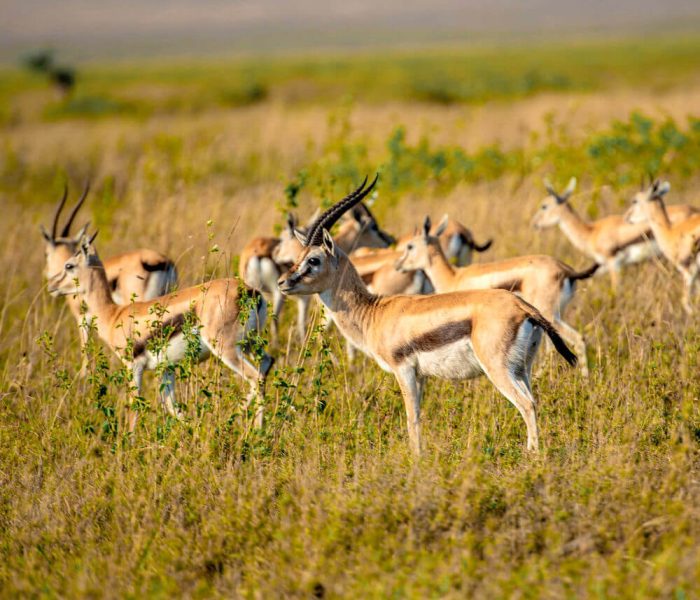
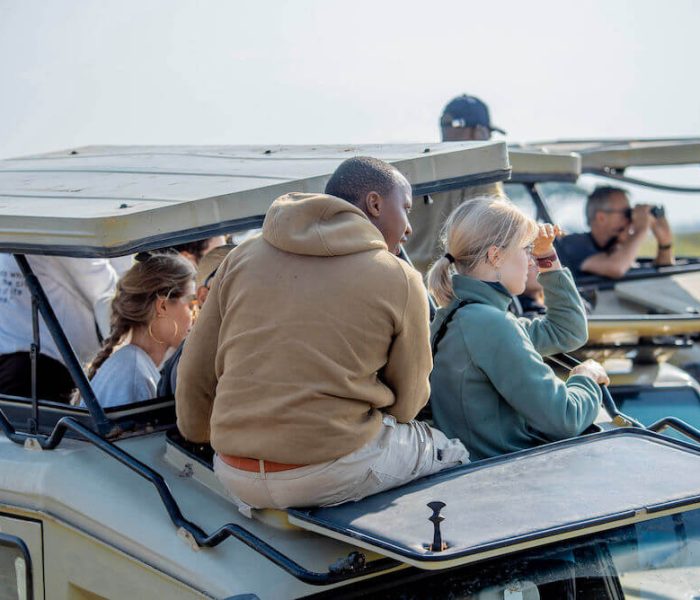
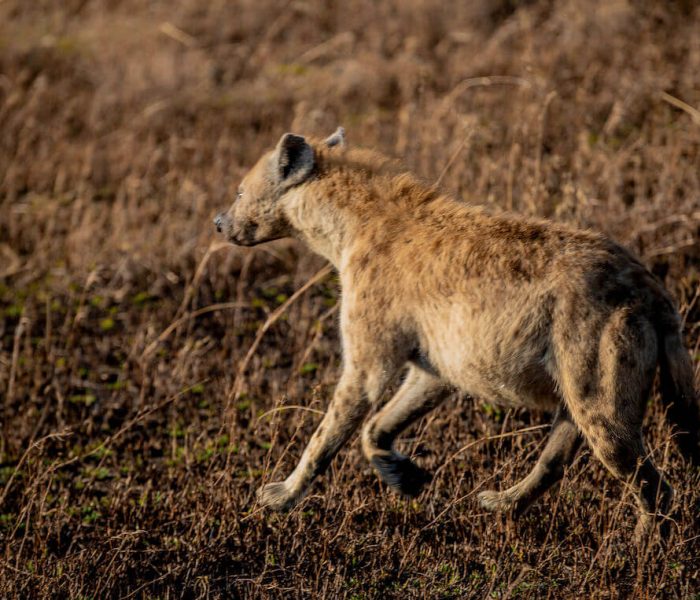
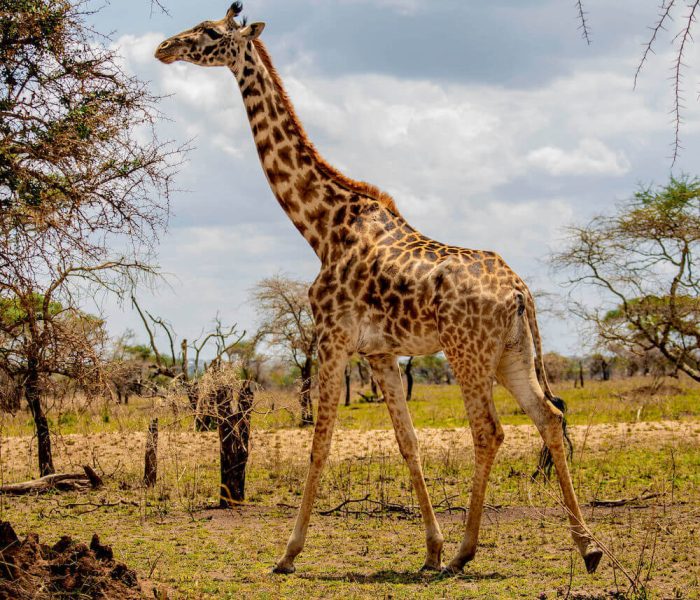
Start your day with a sunrise game drive in Arusha National Park, where the first golden light stretches across rolling savannahs, forested ridges, and crater floors. The park’s compact size ensures intimate wildlife encounters: giraffes browse gracefully on acacia trees, elephants wander in tight-knit family groups, zebras graze peacefully on the grassy plains, and colobus monkeys leap through the treetops overhead.
Unlike larger safari parks, Arusha offers close-up views where every encounter feels personal, whether spotting a solitary giraffe silhouetted against the rising sun or watching elephants splash in a hidden waterhole. The diverse landscapes — from open savannah to dense forests and volcanic craters — make each game drive uniquely captivating.
2. Trek to the Summit of Mount Meru – Tanzania’s Majestic Volcano
Mount Meru, standing at 4,566 meters, is Tanzania’s second-highest peak and a trekker’s paradise. Multi-day expeditions through the mountain reveal a dramatic journey through multiple ecosystems. Beginning at the lower forested slopes, trekkers encounter vibrant birdlife, playful colobus monkeys, and roaming giraffes. Ascending further, dense rainforests give way to moorlands dotted with giant heathers, and finally rugged alpine terrain with panoramic views of Kilimanjaro and the Great Rift Valley.
The trek usually spans three to four days. Hikers start from Momella Gate, passing through grasslands and forested valleys to reach mountain huts perched on the slopes. The climb includes steep ridges, volcanic ash fields, and a pre-dawn push to the summit. From the top, Socialist Peak offers breathtaking views over Meru’s crater, surrounding highlands, and distant mountains. Descending back through forests, hikers witness waterfalls, streams, and a rich variety of flora and fauna. The sense of accomplishment and the ever-changing scenery make this trek an unforgettable adventure.
3. Walking Safaris – Immersive Forest Experiences
Walking safaris in Arusha National Park provide a deeper connection to nature than traditional vehicle-based safaris. Guided by experienced rangers, travelers explore forest trails, crater rims, and lakeshores on foot.
This intimate approach allows you to track fresh animal prints, hear birdsong in the early morning, and discover smaller mammals often missed on game drives. Walking lets you sense the forest through all your senses — the smell of damp soil, the rustle of leaves, the sound of water trickling over rocks — creating a profound and memorable wildlife encounter.
4. Birdwatching – A Paradise for Avid Ornithologists
Northern Tanzania is a hotspot for birdwatchers, and the Arusha region is home to over 400 bird species. Colorful turacos, silvery-cheeked hornbills, vibrant sunbirds, and majestic African fish eagles are just a few examples.
Early morning and late afternoon provide ideal light and peak bird activity, making photography particularly rewarding. Whether perched in the forest canopy or soaring above crater lakes, the avian life adds a lively, dynamic element to any nature excursion. Birdwatchers and photographers alike find Arusha an unmatched location for observing diverse species in their natural habitats.
5. Canoeing and Boating on the Momella Lakes
The Momella Lakes, located within Arusha National Park, offer tranquil waters perfect for canoeing or small boat trips. The lakes reflect Mount Meru’s dramatic silhouette, creating a serene and photogenic environment.
Flamingos often gather along the shoreline, while hippos and elephants may be spotted wading in shallow waters. The quiet, glassy surface of the lakes provides a meditative experience, allowing travelers to immerse themselves in nature. Photographers and wildlife enthusiasts benefit from the mirrored reflections and abundant wildlife, making the lakes a highlight of any Arusha itinerary.
6. Hiking Mount Longido – Short but Spectacular
For travelers with limited time or seeking a moderate trek, Mount Longido offers a rewarding adventure. Rising to 2,636 meters, the mountain provides panoramic views of Mount Meru, surrounding highlands, and the Arusha plains.
Trails wind through rolling hills and rocky terrain, combining a satisfying physical challenge with scenic rewards. A half-day or full-day hike allows visitors to enjoy the northern Tanzanian landscape without committing to a multi-day expedition, making it ideal for active travelers seeking a balance of effort and adventure.
7. Photographic Safari – Capturing Arusha’s Wild Beauty
Arusha is a paradise for photographers. From game drives to walking safaris and lake excursions, the region’s diverse landscapes provide endless opportunities for stunning wildlife and landscape photography.
Capture giraffes grazing in the early morning light, monkeys leaping through dense foliage, waterbirds taking flight over calm lakes, or elephants silhouetted against volcanic ridges at sunset. The combination of savannah, forest, lakes, and mountains creates dynamic photo opportunities that appeal to professional photographers and casual travelers alike.
8. Forest Waterfalls and Nature Walks – Hidden Green Retreats
Beyond the main park areas, nearby forested hills offer serene escapes with hidden waterfalls, gentle streams, and lush vegetation. Walking through these forests, travelers can experience the soothing sound of cascading water, colorful birds flitting among trees, and the calming atmosphere of untouched wilderness. These trails provide an ideal retreat from the heat and bustle of daily life, offering moments of solitude and a closer connection with nature.
9. Lake Duluti – Crater Lake Tranquility
Just 14 kilometers from Arusha city, Lake Duluti is a small volcanic crater lake surrounded by dense forest. Canoeing or kayaking on the lake’s calm waters provides a peaceful escape from urban life.
Early morning mist over the lake creates a mystical ambiance, while the surrounding forest shelters a variety of bird species. Gentle nature walks along the shoreline are perfect for observing wildlife, reflecting on the scenery, or capturing beautiful photographs. Lake Duluti is an accessible and tranquil natural escape for both short visits and longer stays in the region.
10. Chemka (Kikuletwa) Hot Springs – Nature’s Relaxing Oasis
Located about an hour’s drive from Arusha, Chemka Hot Springs is a hidden gem featuring turquoise waters surrounded by lush tropical vegetation. Visitors can swim in the crystal-clear, spring-fed pools or simply relax under the shade of palm trees.
The calm, natural environment provides a perfect combination of relaxation and immersion in nature, making it a highly recommended day trip. Chemka Hot Springs complements the adventurous side of Arusha by offering a serene retreat where travelers can unwind amid striking natural beauty.
Museums, Culture & Heritage
11. Arusha National Natural History Museum
Step into a world where Tanzania’s rich natural and human history comes alive. The Arusha National Natural History Museum, located in a historic former German colonial building, offers visitors an extraordinary journey through time. Inside, the Human Evolution Gallery showcases reconstructions and casts of early hominids, including fossils from the iconic Olduvai Gorge and Laetoli footprints. It provides a tangible connection to humanity’s earliest ancestors and the evolution of human civilization in East Africa.
Beyond anthropology, the museum’s zoology exhibits display the country’s diverse wildlife through meticulously preserved specimens of mammals, birds, reptiles, and insects. An entomology section highlights ecologically important insects, emphasizing their role in the environment and agriculture. The museum grounds feature a mini-botanical garden of indigenous plants, a small fish pond, and a snake park, allowing visitors to experience living examples of Tanzania’s flora and fauna. Giant tortoises leisurely roam the outdoor areas, offering both charm and a sense of continuity with the country’s natural past.
The museum also houses exhibits on Arusha’s colonial history, adding another layer of context to the region’s evolution. Guided tours, educational programs, and workshops make it a highly engaging destination for students, researchers, and tourists alike. With facilities including a curio shop, art displays, and event spaces, the Arusha National Natural History Museum is more than an exhibition space — it is a cultural and educational hub that celebrates the depth and diversity of Tanzania’s heritage.
12. Arusha Declaration Monument & Museum
The Arusha Declaration Monument is a powerful symbol of Tanzania’s post-independence vision and national identity. Erected to commemorate the 1967 Arusha Declaration, the monument marks the country’s commitment to social and economic policies rooted in Ujamaa, or African socialism. Standing tall in central Arusha, it is not only a historical landmark but also an emblem of national unity and self-reliance.
Adjacent to the monument, the Arusha Declaration Museum preserves the story of this transformative period. Visitors can explore historic photographs, original documents, newspaper clippings, and copies of speeches that trace Tanzania’s journey from colonial rule to independence and the adoption of socialist principles. The exhibits offer a deep insight into the ideals of Julius Nyerere and the nation-building efforts that shaped modern Tanzania.
The museum provides an educational experience for researchers, students, and history enthusiasts, helping them understand how the Arusha Declaration influenced governance, rural development, and education. While modest in architecture, the museum’s focus on narrative storytelling ensures a profound and reflective visit. A trip to this site offers not only a glimpse into Tanzania’s political past but also a meaningful understanding of its enduring values and aspirations.
13. Arusha Cultural Heritage Centre
The Arusha Cultural Heritage Centre is a vibrant showcase of Tanzania’s artistic and cultural richness. Established to preserve and celebrate the country’s diverse traditions, the center houses an extensive collection of artworks, including wooden sculptures, tribal masks, Verdite carvings, traditional textiles, and contemporary paintings. The building itself, inspired by the shape of Kilimanjaro, is adorned with African cultural motifs, creating an immersive environment for visitors.
Exhibitions are organized thematically, offering a journey through East Africa’s cultural past, spiritual heritage, and connection with the natural world. Highlights include a towering “family tree” sculpture symbolizing unity and continuity, as well as intricate carvings and paintings that reflect local myths, rituals, and daily life.
Beyond the galleries, the center features a variety of artisan shops selling jewelry, textiles, tanzanite gemstones, and handcrafted souvenirs, allowing visitors to engage directly with the culture through shopping. A café and restaurant provide a place to relax while enjoying local cuisine and coffee. The Arusha Cultural Heritage Centre is both an educational and sensory experience, offering visitors the opportunity to learn about artistic techniques, purchase authentic African art, and immerse themselves in the living traditions of Tanzania.
14. Tanzanite Experience Museum
The Tanzanite Experience Museum is dedicated to Tanzania’s most famous and rare gemstone the deep blue-violet tanzanite, found only at the base of Mount Kilimanjaro. The museum provides a comprehensive narrative, taking visitors from the geological origins of the gemstone to its extraction, grading, and transformation into jewelry.
Visitors begin with a multimedia presentation explaining tanzanite’s discovery in 1967 and its unique pleochroic properties, which cause the stone to display different colors when viewed from different angles. A life-size replica of a mining shaft illustrates the challenges miners face when extracting this precious gem, giving a realistic glimpse into the gemstone industry.
Exhibits display both rough and polished tanzanite, along with finished jewelry, allowing visitors to compare the stone’s raw and refined beauty. The museum also emphasizes the gem’s social and economic significance, highlighting how tanzanite mining supports local communities and contributes to Tanzania’s economy. A boutique on-site provides the opportunity to purchase certified, ethically sourced tanzanite pieces, making the museum experience both educational and practical.
The Tanzanite Experience Museum is ideal for gemstone enthusiasts, cultural tourists, and anyone interested in understanding the geological and economic story behind one of the world’s rarest jewels.
15. Shanga Social Enterprise
Shanga is a remarkable artisan workshop and social enterprise that empowers people with disabilities to create unique, handcrafted items, combining creativity with social impact. Founded in 2007, Shanga operates from the grounds of a historic lodge in Arusha, producing jewelry, glassware, textiles, and home décor using recycled and locally sourced materials.
Visitors can watch artisans at work — threading beads into colorful jewelry, weaving intricate textiles, painting, or glassblowing from recycled bottles. Each piece tells a story of resilience, skill, and community empowerment, making purchases meaningful keepsakes rather than ordinary souvenirs.
Shanga provides hands-on workshops, allowing visitors to try techniques like beadwork or glass shaping, fostering interaction and learning. The enterprise demonstrates how creativity, sustainability, and inclusivity can come together, providing visitors with an inspiring cultural experience. A café on-site complements the visit, allowing guests to relax and absorb the vibrant atmosphere.
Shanga is more than a workshop; it is a living example of Tanzanian ingenuity, social responsibility, and cultural richness. Every item purchased supports the artisans, making a visit both socially conscious and culturally enriching.
Markets & Local Life in Arusha — A Rich Tapestry of Culture, Commerce, and Flavor
16. Maasai Market
Step into the vibrant heart of Arusha at the Maasai Market, a kaleidoscope of colors, textures, and traditions. This market is a celebration of Maasai artistry, offering everything from intricately beaded necklaces and bracelets to hand-carved wooden figurines, traditional shukas (the iconic red-and-blue Maasai cloth), woven baskets, and vibrant Tinga Tinga-style paintings inspired by East African wildlife and folklore. Each item tells a story — whether it’s a symbol of Maasai heritage, a reflection of local wildlife, or the personal journey of the artisan who made it.
Beyond shopping, the Maasai Market offers a living lesson in Tanzanian culture. Artisans proudly display their crafts while sharing stories about their communities, rituals, and daily life in the savannahs and highlands of northern Tanzania. Haggling is not just encouraged but celebrated as part of the experience, creating playful interactions that are both fun and culturally immersive. Visiting during the morning or early afternoon ensures you experience the market at its liveliest, with artisans setting up fresh displays and locals bustling through the stalls.
This is more than a market — it’s a cultural exchange, a place to meet the people behind the craft, understand their way of life, and leave with souvenirs imbued with authenticity and meaning. Every necklace or carved figure you purchase helps support local families, fund education, and preserve a centuries-old artisanal tradition.
17. Central Market & Soko-Kuu
For a truly authentic taste of daily Tanzanian life, Arusha’s Central Market, known locally as Soko Kuu, is an unmissable destination. This bustling market is the city’s beating heart, where locals shop for fresh fruits, vegetables, spices, legumes, grains, and daily necessities. Walking through the maze of stalls, you are enveloped by a sensory feast: the bright yellows and oranges of mangoes and papayas, the deep greens of collard greens and spinach, the earthy aroma of freshly harvested coffee beans, and the heady fragrance of spices like cloves, cinnamon, cardamom, and nutmeg.
The market offers a fascinating glimpse into the rhythms of city life. Vendors balance heavy sacks of produce on their heads, shopkeepers meticulously weigh fruits and vegetables on traditional scales, and shoppers barter energetically for the best price. For photographers and culture enthusiasts, Soko Kuu is a paradise — capturing scenes of women in colorful kitenge skirts negotiating for vegetables, children helping their families, and the lively chaos that is both orderly and animated.
Central Market also reflects Arusha’s diversity. Traders and shoppers from Maasai, Meru, Chagga, and Swahili communities mingle, bringing a multicultural vibrancy to every corner. Visiting in the early morning is ideal for catching the freshest produce and observing the market at its most dynamic, while afternoons are calmer and offer a chance to savor the environment and interact more closely with vendors.
18. Weekly Village Markets (Kisongo, Ngaramtoni, Tengeru, and more)
To experience the authentic rhythms of rural Tanzanian life, venture to the weekly village markets that dot the Arusha region. Each market has its own character and schedule: Kisongo Market thrives on Wednesdays, Ngaramtoni on Thursdays, and Tengeru typically hosts its lively market midweek near the scenic foothills of Mount Meru. These gatherings are primarily for local villagers rather than tourists, offering a raw and authentic view of highland life.
Here, you’ll witness the entire spectrum of rural commerce: farmers bringing sacks of maize, beans, and potatoes; women carrying baskets of bananas, tomatoes, or leafy greens on their heads; and artisans selling handmade items like woven mats, carved walking sticks, or traditional jewelry. Livestock such as goats, chickens, and occasionally cows may also be traded, adding to the lively rural spectacle. The air is filled with the hum of conversation, the rhythmic clatter of wooden stalls being set up, and the occasional call of a local singer or storyteller.
Visiting these markets is a cultural immersion. It offers insight into the economic and social networks that sustain Tanzanian villages. Observing how locals interact, negotiate, and share news provides an invaluable perspective on daily life away from tourist circuits. Early morning visits allow travelers to see the markets in full swing, while later hours often provide a calmer, more intimate atmosphere for photography or casual exploration.
19. Coffee Plantation Tours
Arusha’s surrounding highlands, enriched by volcanic soils from Mount Meru, are a paradise for coffee cultivation. Touring a local coffee plantation reveals the journey of the famed Tanzanian Arabica beans, from planting and nurturing coffee bushes to harvesting, processing, roasting, and brewing. Many plantations offer guided walks through the coffee fields, giving travelers an up-close look at flowering coffee trees, ripe cherry-like beans ready for harvest, and the intricate machinery used to dry and sort the beans.
These tours are both educational and sensory. Visitors can smell the freshly roasted beans, taste coffee at various stages of processing, and learn about the traditional and modern techniques used by Tanzanian farmers. The tours often end with a freshly brewed cup of coffee served in the middle of the plantation, offering a moment of relaxation amid breathtaking views of rolling hills, eucalyptus groves, and the distant slopes of Mount Meru.
Coffee tours not only introduce travelers to the rich agricultural heritage of the region but also highlight the economic importance of coffee cultivation for local communities. Every cup savored directly supports smallholder farmers and sustains centuries-old agricultural practices that define northern Tanzania’s cultural and economic landscape.
20. Culinary Exploration — Street Food & Local Delicacies
No exploration of Arusha is complete without tasting the city’s vibrant street food and local delicacies. Arusha’s culinary scene is a reflection of its multicultural heritage, blending Maasai, Meru, Chagga, Swahili, and global influences into a rich gastronomic tapestry.
Start with nyama choma, a Tanzanian favorite of slow-roasted goat or beef, often accompanied by kachumbari (a fresh tomato, onion, and chili salad) and ugali, the staple maize porridge that serves as the perfect complement to grilled meat. For quick, portable snacks, try mishkaki, skewered and grilled meats marinated in aromatic spices, or chapati, soft flatbreads cooked on a griddle. Street vendors also offer mandazi, a sweet fried dough flavored with coconut or cardamom, and chipsi mayai, a beloved fusion of fried potatoes and eggs.
Fruit lovers will find themselves spoiled with tropical offerings like passionfruit juice, pineapple slices, mangoes, and papayas sold by roadside vendors, often hand-cut and served fresh. Eating on the streets is more than a meal — it’s a cultural ritual. Standing near a sizzling grill, chatting with the vendor, and sampling freshly prepared foods connects you to the rhythms of everyday life.
Many of these culinary spots are tucked in and around the markets, adding layers of flavor to your market explorations. Food here is affordable, fresh, and deeply authentic, making it a highlight for any traveler seeking a sensory journey into Tanzanian culture.
21. Tengeru Cultural Experience
Located just a short drive from Arusha, at the foothills of Mount Meru, the Tengeru Cultural Experience offers visitors a genuine window into the daily life, traditions, and heritage of the Meru people. This immersive tour begins with a warm village welcome from local guides, who introduce you to the community and explain the significance of their customs and traditions.
Visitors can stroll through expansive coffee, banana, and maize plantations, observing age-old farming practices passed down through generations. Guests often have the opportunity to pick ripe coffee beans by hand and learn the intricate process of drying, roasting, and brewing the beans into fresh Tanzanian coffee. Alongside agricultural activities, the experience includes cooking demonstrations where you can prepare traditional Meru dishes using locally grown ingredients, giving you a literal taste of the region.
Tengeru is also renowned for its community-driven conservation and educational initiatives. Guests may participate in tree-planting activities, guided forest walks, or visits to local schools, learning about sustainable practices and environmental stewardship in a rural Tanzanian context. You can also experience traditional arts such as pottery, weaving, and beadwork, often led by local women who maintain ancestral techniques.
The cultural experience in Tengeru is not just about observation—it is about participation. From working alongside villagers in the fields to sharing stories over a traditional meal, this tour fosters meaningful connections while supporting community-led tourism. Set against the breathtaking backdrop of Mount Meru and Lake Duluti, it is a perfect combination of nature, culture, and sustainable tourism that leaves a lasting impression.
Why it’s unforgettable: Guests leave Tengeru with more than memories—they gain understanding of the Meru people’s lifestyle, agricultural heritage, traditional culinary practices, and the delicate balance between culture, community, and nature.
22. Maasai Village Visits
Visiting a Maasai village, or “boma,” is one of northern Tanzania’s most iconic cultural experiences. Maasai bomas are traditionally circular homesteads made from sticks, mud, cow dung, and thatch, often surrounded by thorn fences to protect livestock from predators. Each boma reflects the Maasai’s pastoral lifestyle, emphasizing harmony between family, community, and cattle.
Upon arrival, visitors are greeted with vibrant songs, dances, and ululations performed by village elders and warriors. Guests are often invited to join in, offering a firsthand experience of the Maasai’s celebratory and communal spirit. A guided walk through the boma introduces the layout of the village, the construction of huts, and daily routines. Visitors learn how the Maasai manage their livestock, collect water, prepare food, and pass knowledge through generations.
Hands-on activities enhance the immersion. Guests may try their hand at Maasai beadwork, creating colorful bracelets or necklaces, each pattern and color carrying symbolic meaning. Traditional dances, including the famous “Adumu” jumping dance, showcase strength, agility, and the warrior ethos of the Maasai, while spear-throwing demonstrations reveal practical skills honed over centuries. In many villages, visitors can also see small craft markets offering jewelry, carvings, and other artisan products made by local women and men.
For those seeking deeper engagement, overnight stays in Maasai bomas provide unparalleled insight into their lifestyle—sleeping in traditional huts, sharing meals, and participating in evening storytelling by elders. This experience offers a rare opportunity to witness the balance between tradition and modernity in Maasai culture.
Why it’s powerful: A Maasai village visit is more than cultural sightseeing. It is an intimate encounter with one of Africa’s most enduring communities, offering lessons on resilience, heritage, and the timeless bond between people and the land.
23. Traditional Healing & Ethnobotany Tours
Traditional healing and ethnobotany tours offer an extraordinary journey into Tanzania’s ancestral knowledge, connecting visitors to the deep wisdom of local healers and the natural environment. These tours highlight how indigenous communities use medicinal plants for healing, spiritual rituals, and wellness, preserving knowledge passed down over generations.
Guided by experienced herbalists or community elders, visitors explore forests, gardens, and savannahs to identify plants with medicinal properties. Each plant has a story—some are used to treat minor ailments such as colds, stomach aches, or skin conditions, while others are part of ceremonial and spiritual practices. Guides explain preparation methods, traditional dosages, and the cultural significance of these remedies, offering insight into the sophisticated understanding of ecology and biology inherent in traditional Tanzanian life.
Beyond the plants themselves, these tours emphasize the holistic relationship between humans, nature, and community. Visitors witness how healers integrate spiritual, ecological, and social knowledge into their practices, reinforcing the interdependence of all living things. Some experiences may include demonstrations of traditional therapies, such as herbal compresses, steam treatments, or healing rituals, always conducted respectfully and with permission.
These tours not only enrich visitors culturally and intellectually but also support local communities and conservation efforts. By participating, guests help preserve traditional knowledge and promote sustainable practices that protect both cultural heritage and biodiversity.
Why it matters: Traditional healing and ethnobotany tours offer transformative experiences, combining cultural education, environmental awareness, and personal engagement. They provide a rare opportunity to witness living traditions that celebrate the connection between people, plants, and the natural world, offering insights often unavailable in modern life
Adventure & Outdoor Activities
24. Hot Air Balloon Safaris Over the Serengeti (From Arusha)
Start your adventure before dawn with a pre-dawn pickup from Arusha, heading toward the Serengeti for an iconic hot air balloon safari. As the balloon slowly lifts, the vast savannah unfolds beneath you like a living, moving tapestry. The early morning light bathes the plains in golden hues, casting long shadows from acacia trees and herds of wildlife.
Elephants amble gracefully, giraffes browse on treetops, and wildebeest and zebra create striking patterns across the grasslands, all visible from your elevated perch. The serenity of drifting silently above the landscape is only punctuated by occasional bursts from the balloon’s burner. After about an hour of breathtaking aerial views, the balloon lands in the heart of the wilderness, where a lavish champagne breakfast awaits, surrounded by the sights and sounds of the African plains. This unique combination of tranquility, luxury, and close observation of wildlife creates an unforgettable experience that feels both peaceful and exhilarating.
25. Rock Climbing & Bouldering at Mount Meru Foothills
For adventure seekers and climbers, the rocky foothills of Mount Meru offer a stunning natural playground. Rising to 4,566 meters, Mount Meru is Tanzania’s second-highest peak, surrounded by verdant forests and undulating valleys. The foothills feature a variety of climbing routes and bouldering challenges suitable for both beginners and experienced climbers.
Each climb rewards adventurers with spectacular panoramic views of Arusha city, the surrounding highlands, and, on clear days, even the snow-capped peaks of Mount Kilimanjaro in the distance. Climbing here is not just a physical challenge; it’s a full sensory experience — feeling the textures of volcanic rock under your hands, breathing the crisp mountain air, and being immersed in the peaceful sounds of nature. The combination of exertion, achievement, and the beauty of northern Tanzania makes this a must-do for active travelers.
26. Mountain Biking Trails Around Arusha & Mount Meru
Arusha and its surrounding highlands are a mountain biker’s paradise. Trails wind through lush coffee plantations, dense forests, small rivers, and traditional villages, providing both thrilling downhill sections and gentle, scenic paths. Guided tours allow riders to experience rural Tanzanian life up close — passing local farmers, children playing along dirt roads, and glimpses of wildlife like monkeys and birds in the treetops. For more experienced cyclists, routes ascending the lower slopes of Mount Meru offer challenging climbs and rewarding vistas.
The mix of adrenaline, cultural immersion, and natural beauty makes mountain biking an exhilarating way to explore the landscape at your own pace, whether on a half-day ride or a full-day adventure. Riders feel fully connected to the environment, encountering terrain and viewpoints inaccessible by vehicle.
27. Ziplining Adventures in Forested Valleys Near Arusha
Ziplining across forested valleys near Arusha combines adrenaline, height, and spectacular scenery. Adventurers glide along steel cables suspended high above the treetops, enjoying unobstructed views of Mount Meru, rolling hills, and deep forested valleys below.
The rush of wind, the sensation of flying, and the elevated perspective make ziplining both thrilling and liberating. Some courses feature multiple lines of varying lengths and heights, allowing participants to challenge themselves while safely navigating the forest canopy. This activity is ideal for thrill-seekers who want a unique perspective on northern Tanzania’s natural beauty, merging adventure sports with immersive environmental experiences.
28. Horseback Safaris Across Plains, Forests, and River Valleys
Horseback safaris offer a serene, intimate way to explore the wilderness around Arusha and Arusha National Park. Riding through open plains, riverbanks, and forest paths, travelers can quietly approach wildlife without disturbing it, spotting giraffes, buffalo, antelope, and monkeys along the way.
Experienced guides lead riders safely, sharing insights into local flora, fauna, and geography. The rhythmic movement of the horse combined with the sounds of nature — chirping birds, rustling leaves, and distant animal calls — creates a meditative, immersive experience. For those seeking a slower, more personal connection with the environment, horseback safaris provide a unique blend of adventure, wildlife observation, and tranquility.
29. Night Game Drives to Witness Nocturnal Wildlife
Night game drives transform the African bush into a mysterious, magical realm. As darkness falls, the nocturnal world awakens, revealing a different cast of wildlife. Spot elusive predators like leopards silently stalking prey, bush babies hopping among trees, civets slinking across the undergrowth, and owls swooping silently overhead.
The sounds of the night — the distant roar of a lion, the call of a nightjar, and the rustle of small mammals — create a rich sensory tapestry that is completely different from daytime safaris. Guided by expert trackers using spotlights, travelers gain insight into animal behavior, hunting strategies, and survival tactics that are rarely seen during daylight hours. Night drives offer a thrilling, immersive, and educational experience for wildlife enthusiasts and photographers alike.
30. Camping in the Highlands — Wilderness Nights Near Arusha & Mount Meru
Camping in the highlands surrounding Arusha provides the ultimate adventure for those seeking total immersion in nature. Set up your tent at scenic spots near forested slopes, rivers, or valleys, and fall asleep to the sounds of nocturnal wildlife and the gentle wind through the trees.
Dawn reveals mist-shrouded mountains, birdsong, and breathtaking vistas over the highlands. Many camping experiences include cooking over open fires, storytelling around the campfire, and observing the night sky filled with countless stars, free from light pollution. Unlike lodge stays, wilderness camping offers an authentic connection to the environment, a sense of solitude, and the simple pleasures of being surrounded by untouched natural beauty. It is a perfect activity for adventure travelers, nature lovers, and anyone seeking a memorable, transformative outdoor experience.
Lakes, Water Activities & Scenic Views
31. Lake Eyasi Cultural & Fishing Trips
Lake Eyasi, nestled in the heart of Tanzania’s Rift Valley, is a shallow, seasonal lake that transforms dramatically with the rains, creating reflective waters that shimmer under the African sun. Beyond its natural beauty, the lake is a gateway into the ancient world of the Hadzabe — one of the last remaining hunter-gatherer tribes on Earth. Visiting the Hadzabe offers a rare chance to witness an untouched way of life that has persisted for thousands of years, where survival depends on intimate knowledge of the land and its rhythms.
Early mornings at Lake Eyasi can be magical: join Hadzabe hunters on their tracking expeditions, learning to follow footprints, identify edible plants, or use traditional bows and arrows. Watch the skillful hand-drilling of fire, participate in fishing excursions along the lake’s shallow shores, and experience firsthand how the tribe harvests food and water in harmony with nature. Storytelling around the fires at dusk brings legends, history, and ancestral wisdom to life under vast starry skies. Beyond cultural immersion, the lake itself offers tranquil scenery, with flocks of waterbirds circling overhead and distant mountains framing the horizon. This combination of wildlife, culture, and serene landscapes makes Lake Eyasi a profound and unforgettable destination.
32. Canoeing at Lake Duluti
Lake Duluti is a hidden gem just a short drive from Arusha, lying peacefully in a volcanic crater and surrounded by lush forested slopes. Its calm, mirror-like waters are ideal for canoeing, reflecting the dense canopy above and creating a perfect setting for meditation and connection with nature. Early mornings reveal a magical mist rising from the water, accompanied by the chorus of birds and the gentle rustle of leaves — an atmosphere that feels untouched by time.
Paddling across the lake offers opportunities to spot kingfishers, herons, and other exotic birds. Occasionally, a monitor lizard glides across the surface or small fish ripple beneath the canoe. Late afternoons transform the lake into a painter’s palette, with fiery sunsets mirrored in the water. The combination of forested cliffs, the stillness of the water, and the gentle movements of wildlife creates a peaceful sanctuary just minutes from the city. For those seeking a quiet escape or an intimate nature experience, Lake Duluti provides both relaxation and adventure in perfect harmony.
33. Momella Lakes Excursions
The Momella Lakes, a cluster of seven alkaline lakes within Arusha National Park, are volcanic remnants that paint the landscape with surreal and vibrant colors. Each lake possesses a unique hue — from soft turquoise to deep green — due to minerals and algae in the water. Flamingos flock here in dazzling numbers, turning the shores a striking pink, while hippos occasionally emerge from the shallows, their massive bodies glistening in the sun. The lakes are also a sanctuary for more than 400 bird species, including fish eagles, pelicans, herons, and ibises, making it one of Tanzania’s premier birdwatching sites.
Adventurous travelers can explore the lakes by kayak, paddling through calm waters while observing wildlife from a close but respectful distance. Walking trails along the shores reveal zebras grazing nearby, giraffes stretching their necks to nibble on acacias, and waterbuck roaming along the banks. The backdrop of Mount Meru or, on clear days, the distant peak of Mount Kilimanjaro adds majesty to the scenery, creating a photographer’s dream. The Momella Lakes offer a perfect combination of adventure, serenity, and nature observation, where every turn presents a new visual feast and every moment is a connection to Tanzania’s diverse ecosystems.
34. Ngurdoto Crater Hikes
Ngurdoto Crater, affectionately known as “the little Ngorongoro,” is a forested volcanic crater located just outside Arusha. The crater spans roughly 3.6 kilometers in diameter and plunges about 100 meters, creating a dramatic bowl-shaped landscape. Dense forests cloak the crater walls, giving way to swampy grasslands on the floor, where buffalo, giraffes, zebras, and warthogs roam freely. Mist often drifts across the rim in the early mornings, shrouding the scene in a mystical veil and creating magical photography opportunities.
Hiking along the rim provides panoramic views of the crater floor and the surrounding plains. Forest trails are lined with ferns, orchids, mossy trees, and strangler figs, making the walk both visually and aromatically enchanting. Birdlife is abundant, with monkeys leaping through the canopy and exotic species singing from hidden perches. Because vehicles cannot access the swampy floor, hiking allows visitors to truly appreciate the crater’s untouched beauty and its ecological significance. Ngurdoto Crater offers a rewarding combination of moderate physical activity, wildlife encounters, and awe-inspiring scenery for both casual hikers and dedicated nature lovers.
35. Sunset Viewing at Mount Meru Lookout Points
Mount Meru, Tanzania’s second-highest peak at 4,562 meters, dominates the skyline around Arusha. While climbers often focus on summiting, the mountain’s lower slopes and surrounding ridges offer accessible lookout points with breathtaking sunset views. From these vantage points, the fading sun transforms the landscape into a masterpiece of vibrant colors — fiery oranges, deep pinks, and soft golds — while the contours of the volcano’s ridges cast long, dramatic shadows over the plains below.
As night approaches, the lights of Arusha town begin to twinkle, contrasting with the natural brilliance of the sunset. On clear days, distant peaks like Kilimanjaro may shimmer in the horizon, adding grandeur to the scene. The air is crisp and fragrant with the scent of mountain forest, and the tranquil environment invites reflection, photography, or quiet companionship. Whether enjoyed solo, with family, or as a romantic escape, sunset viewing around Mount Meru is a sublime experience, showcasing the harmony of Tanzania’s natural beauty and the serenity of its highlands.
Urban & Leisure Activities
36. Coffee Shops & Local Cafés
Arusha’s coffee culture is an experience in itself, blending the rich flavors of Tanzanian coffee with the city’s relaxed urban vibe. Local cafés offer more than just a cup of coffee—they provide a window into the daily rhythm of city life. Sip a frothy cappuccino, a creamy latte, or a bold, aromatic filter coffee while watching the streets come alive with bustling markets, motorcycle taxis, and locals greeting each other warmly.
Many cafés source their beans directly from the nearby slopes of Mount Meru or the northern highlands, where Arabica coffee thrives. Some establishments even offer in-house roasting, allowing visitors to enjoy freshly brewed coffee with nuanced flavor profiles ranging from chocolatey and nutty to bright and fruity. For the curious traveler, there are also opportunities to take part in small coffee-tasting sessions, learning about traditional Tanzanian coffee preparation, from hand-roasting to brewing.
A slow afternoon spent in a local café is not just about savoring a beverage—it’s a cultural immersion, a chance to observe Arusha’s unique blend of modernity and tradition, and to connect with the warmth of Tanzanian hospitality.
37. City Walking Tours
Walking through Arusha’s streets offers an intimate view of the city’s heart, where history, culture, and everyday life converge. Begin at the vibrant Soko Kuu, the central market, where the air is filled with the scent of fresh fruits, spices, and roasted maize. Here, you’ll find stalls overflowing with colorful produce, traditional crafts, and handcrafted souvenirs, offering a lively and authentic experience of local trade.
From there, explore colonial-era buildings, churches, and small museums that reveal the city’s layered history, blending German and British influences with local traditions. The famous Clock Tower Monument marks the midpoint between Cairo and Cape Town and is an iconic photo spot surrounded by local shops and cafés.
As you continue into residential neighborhoods, you’ll encounter street art, murals, and artisan workshops tucked away in quiet lanes. The rhythm of the streets—the chatter of children playing, street vendors calling out, and the hum of motorcycle taxis—paints a vivid picture of daily life in northern Tanzania. Walking tours often include food stops, where you can sample chapati, roasted peanuts, or skewers of “mishikaki,” giving travelers a taste of local flavors while exploring the city on foot.
This hands-on approach to discovering Arusha allows you to experience its sights, sounds, and smells in a way that a vehicle-based tour simply cannot.
38. Art Galleries & Contemporary Exhibitions
Arusha is home to a quietly thriving art scene that showcases the creativity and diversity of Tanzanian culture. The Arusha Cultural Heritage Centre, a major hub for art and crafts, offers an impressive array of paintings, sculptures, textiles, and beadwork. Many pieces reflect the rich history of the region, from traditional Maasai and Chagga motifs to contemporary works that explore modern social and cultural themes.
In addition to galleries, several artisan workshops and creative spaces allow visitors to see artists at work. For example, glassblowers, beadmakers, and woodcarvers often demonstrate their craft, offering insight into the skill and dedication behind each piece. Many of these works are available for purchase, providing the chance to bring home a tangible memory of Tanzanian artistry.
This combination of exhibition spaces and interactive workshops provides a deeper understanding of the country’s cultural fabric, highlighting the ways in which tradition and modern creativity coexist in the city. Art in Arusha is not just visual; it is a storytelling medium that reveals the people, history, and soul of northern Tanzania.
39. Spa & Wellness Retreats
After days spent trekking, hiking, or enjoying safari drives, a visit to one of Arusha’s spas or wellness centers offers rejuvenation and relaxation. Many luxury hotels and lodges feature spa facilities that provide massages, aromatherapy, body scrubs, and natural treatments using locally sourced herbs and oils. These therapies are designed to soothe tired muscles, relieve stress, and restore energy, making them ideal for travelers recovering from active excursions.
Beyond traditional spa services, some wellness retreats incorporate yoga, meditation, and guided nature walks. Imagine starting the day with a gentle yoga session overlooking the slopes of Mount Meru, followed by a herbal massage in a serene garden setting. Treatments often include natural African ingredients such as coffee scrubs, shea butter, and essential oils derived from indigenous plants, offering both physical relief and a sensory connection to the local environment.
Wellness experiences in Arusha provide not only physical relaxation but also a moment of mindful pause, allowing visitors to fully absorb the beauty and tranquility of their surroundings before continuing on their adventures.
40. Golfing at Arusha Golf Club
For travelers seeking a leisurely yet scenic activity, Arusha Golf Club offers an 18-hole course set against the striking backdrop of Mount Meru and, on clear days, distant views of Mount Kilimanjaro. The course is lush and well-maintained, providing a challenging but enjoyable experience for golfers of all skill levels.
Playing golf in Arusha is unique because the landscape often blends sport with nature. It’s not uncommon to spot giraffes, zebras, or other wildlife near the edges of the fairways, offering a serene and unforgettable experience that combines recreation with the essence of East African wilderness. The club is also a social hub where locals, expatriates, and visiting tourists mingle, providing opportunities for cultural exchange and connection.
Whether you are an avid golfer or a casual player, a round at Arusha Golf Club is a chance to enjoy the outdoors, take in breathtaking scenery, and experience a different, relaxed facet of Tanzania away from the safari trails.
Unique & Offbeat Experiences
41. Balloon Safari Photography Workshops
Take your safari experience to breathtaking new heights—literally—with a balloon safari photography workshop. Floating silently over the Serengeti, Ngorongoro, or Maasai Steppe at dawn, you’ll witness the sweeping landscapes bathed in golden sunlight while spotting elephants, giraffes, zebras, and wildebeest from above. Unlike ordinary balloon rides, these workshops are designed for photography enthusiasts, with expert guidance on framing, lighting, composition, and camera settings.
You’ll capture unique aerial perspectives that are impossible to achieve from ground level, from the delicate patterns of migration herds to solitary predators in the grasslands. Many workshops include a pre-flight briefing on wildlife behavior and photography techniques, as well as post-flight tips on enhancing your shots. Ending with a traditional bush breakfast in the heart of the savannah, this experience combines adventure, learning, and the rare serenity of Africa’s vast wilderness.
42. Local Cooking Classes
Dive into the heart of Tanzanian culture through its cuisine. Local cooking classes, offered in cities like Arusha and in smaller towns, often begin with a guided visit to a vibrant market where fresh vegetables, spices, and staples like maize flour and coconut milk are sourced. In a hands-on session, you’ll learn to prepare classic dishes such as ugali, a creamy maize-based staple, flavorful pilau rice infused with aromatic spices, savory samosas, and coconut-based curries.
Instructors explain not only cooking techniques but also the cultural significance of each dish, connecting you to traditions that span generations. These sessions often culminate in a shared meal, giving you the chance to taste the fruits of your labor while exchanging stories with local cooks. Beyond the food, these classes provide insight into daily Tanzanian life, culinary customs, and the deep-rooted social bonds formed around the dining table.
43. Maasai Beadwork Workshops
Experience the artistry and symbolism of Maasai culture by participating in a beadwork workshop. Guided by skilled Maasai artisans, typically women from the local community, you’ll create traditional necklaces, bracelets, and ornaments while learning the intricate patterns and techniques passed down through generations.
Every color and design carries meaning: red for bravery, blue for energy, white for purity, and green for land and health. The workshops go beyond crafting; they provide insight into Maasai life, social structures, and spiritual beliefs, showing how beadwork is woven into both daily life and ceremonial occasions. By participating, you not only gain a unique souvenir you made yourself, but you also help sustain Maasai traditions and support local artisans.
44. Local Music & Dance Performances
Feel the rhythm of Tanzania in vibrant music and dance performances held at cultural centers, lodges, and Maasai villages. Traditional dances, such as the Maasai Adumu or jumping dance, showcase agility, endurance, and communal pride. Accompanied by drums, chants, and indigenous instruments, these performances tell stories of heritage, heroism, and daily life.
Visitors may have the opportunity to join in, learning steps and songs alongside local performers. Beyond entertainment, these performances offer a deep cultural immersion, revealing the values, emotions, and communal bonds that define Tanzanian society. The colors, movements, and music create an unforgettable sensory experience that captures the essence of the country’s living traditions.
45. Volunteer Experiences
For travelers who wish to give back while exploring, volunteering in Tanzania provides a meaningful way to engage with communities and wildlife. Opportunities include assisting in wildlife conservation projects, teaching in local schools, participating in community development initiatives, or supporting sustainable farming programs. Volunteers gain first-hand insight into the challenges and triumphs of daily life, from preserving endangered species to improving educational resources in rural villages.
This type of travel fosters genuine connections, allowing visitors to leave a positive impact while experiencing Tanzanian culture from a unique and personal perspective. Volunteering offers a deeply rewarding dimension to a trip, where the reward is measured not in sightseeing photos but in tangible contributions to communities and ecosystems.
46. Photography Tours of Rural Villages
Venture off the beaten path to capture the authentic rhythms of rural Tanzanian life on a photography tour. Guided by local experts, these tours lead you through villages where children play along dusty roads, farmers tend coffee, maize, or banana fields, and elders gather outside traditional huts, or manyattas, sharing stories. Unlike typical tourist excursions, these tours emphasize respectful and ethical photography, encouraging genuine interactions and cultural understanding.
You’ll learn to observe and frame moments of daily life that reveal the resilience, joy, and traditions of rural communities. From sunrise scenes of laborers working the land to candid portraits of village life, these tours offer a unique visual record of Tanzanian society beyond the safari.
47. Local Festivals & Celebrations
Timing your visit with a Tanzanian festival allows you to experience the country’s culture in full, vibrant display. Nane Nane Day, celebrated every August, honors farmers with exhibitions of livestock, crops, and agricultural technologies, accompanied by music, dance, and traditional foods.
Other festivals, such as Maasai cultural celebrations or regional music and arts festivals, showcase traditional dances, storytelling, beadwork displays, and local cuisine. Participating in these events offers travelers a chance to immerse themselves in community life, witness rituals and ceremonies firsthand, and celebrate the living heritage of Tanzania. Festivals are moments where history, culture, and everyday life intersect, creating memories that linger far beyond the trip.
Day Trips & Nearby Gems – Arusha & Surrounding Areas
48. Arusha Waterfalls & Forest Hikes
Escape the city bustle and immerse yourself in the serene beauty of hidden waterfalls and lush forest trails surrounding Arusha. A prime destination is Napuru Waterfall, cascading dramatically from the slopes of Mount Meru into a tranquil pool below. The surrounding forest is alive with the sounds of birds, chirping insects, and rustling leaves, providing a calming backdrop for a hike.
The trek to the falls takes you along winding trails through dense montane forest, across rocky streams, and over gentle hills. Along the way, you may spot monkeys leaping among the trees and exotic highland birds flitting between branches. The area is ideal for photographers, nature enthusiasts, and anyone seeking a peaceful escape from the city. For those seeking a longer adventure, the hike can be combined with a visit to nearby Lake Duluti, a volcanic crater lake surrounded by forest, where canoeing and birdwatching offer a complementary nature experience.
Why go: Refreshing, accessible, and visually stunning, these waterfalls and forest hikes offer a perfect introduction to northern Tanzania’s natural beauty.
49. Day Trip to Lake Natron
Lake Natron is a spectacular, otherworldly landscape that feels like stepping onto another planet. Its expansive alkaline flats and mineral-rich waters create a surreal environment that is home to millions of flamingos, the lake’s most iconic residents. During breeding season, the lake turns pink with the shimmering reflections of these elegant birds, creating a breathtaking scene that draws photographers and wildlife enthusiasts from around the world.
Beyond flamingos, the surrounding savannah and rocky hills support zebras, wildebeests, and giraffes, as well as a variety of bird species unique to this highland ecosystem. Guided walks along the lake’s shores allow travelers to explore the salt-encrusted flats, observe local wildlife, and learn from Maasai guides about the lake’s ecology, geology, and cultural significance.
Why go: For surreal landscapes, unparalleled wildlife encounters, and photography opportunities unlike anywhere else on Earth.
50. Ngorongoro Conservation Area Excursion
No Tanzanian safari experience is complete without visiting the Ngorongoro Conservation Area. This enormous volcanic caldera, often described as the “Eighth Wonder of the World,” is home to one of Africa’s most concentrated and diverse collections of wildlife. Descending into the crater, visitors encounter open grasslands, shallow lakes, dense woodlands, and swamps that provide year-round sustenance for animals.
Inside the crater, spotting the Big Five — lion, leopard, elephant, buffalo, and rhino — is possible alongside hippos, hyenas, zebras, and flamingos. Day trips from Arusha typically include a morning drive through the crater’s scenic landscape, a picnic lunch near a hippo-filled pool, and opportunities to photograph the stunning vistas that descend into the crater from its rim. The combination of wildlife, sweeping views, and geological wonder makes it a uniquely rewarding destination.
Why go: For an unforgettable safari day featuring incredible biodiversity, dramatic scenery, and the thrill of spotting iconic African wildlife.
51. Hot Springs Visit at Meru & Surrounding Areas
After an energetic hike or a full day of safari, natural hot springs near Arusha provide the perfect restorative experience. Kikuletwa Hot Springs, located in a serene tropical setting, offer crystal-clear turquoise pools fed by geothermal springs. The water is warm, mineral-rich, and surrounded by lush vegetation, making it ideal for soaking, swimming, and unwinding.
Other lesser-known hot springs are scattered across the slopes of Mount Meru, often tucked away in quiet forested areas. These sites provide peaceful retreats where visitors can relax while listening to the flowing water, watching birds, or enjoying the distant view of Mount Meru or Kilimanjaro on clear days. The experience is both rejuvenating and meditative, offering a quiet connection with nature.
Why go: Perfect for relaxation, nature therapy, and a rejuvenating experience after hiking or safari adventures.
52. Birdwatching Tours
Arusha and its surrounding forests are a haven for bird enthusiasts, hosting a rich mix of habitats that support hundreds of bird species. Guided birdwatching tours provide the chance to observe species such as the African fish eagle, lilac-breasted roller, sunbirds, hornbills, turacos, and forest specialists like the Hartlaub’s turaco.
Tours often combine forest walks, lake visits, and savannah drives to cover multiple ecosystems in one outing. Knowledgeable guides help identify rare species, explain their behaviors, and offer insight into how seasonal changes affect bird movements. For avid bird photographers or naturalists, these tours provide ample opportunity to capture incredible wildlife shots in their natural habitats.
Why go: For rich biodiversity, immersive wildlife experiences, and a chance to explore the variety of habitats around Arusha while observing and photographing stunning bird species.
53. Banana & Coffee Plantation Tours
Venture into the fertile slopes of Mount Meru to experience Tanzania’s agricultural traditions on banana, coffee, and spice plantations. Visitors learn how coffee beans are cultivated, harvested, and roasted before enjoying freshly brewed coffee. Banana farms provide insight into the cultivation of cooking and dessert bananas, and often offer demonstrations of local food preparation, such as banana beer or traditional dishes.
Walking through terraced plantations, travelers can enjoy scenic views, interact with farmers, and learn about sustainable farming practices. Many tours combine educational activities with tasting fresh produce, making it both a cultural and gastronomical adventure.
Why go: To gain a hands-on understanding of Tanzanian agriculture, taste fresh local produce, and experience the country’s rich farming heritage in a beautiful setting.
54. Cultural Village Tours
Cultural village tours provide a unique opportunity to engage with local communities, explore traditional ways of life, and participate in daily activities. Visitors can watch traditional dances, listen to folklore, learn craft-making techniques, and witness ceremonies or rituals that have been practiced for generations.
Villages around Arusha often welcome guests into their homes, allowing travelers to experience authentic Maasai or Meru village life, including cooking, farming, and artisan workshops. These tours emphasize cultural exchange, respect, and learning, providing a deep understanding of the social and historical context of Tanzanian rural life.
Why go: For an authentic cultural immersion that combines history, art, music, and community engagement in a meaningful, memorable way.
55. Waterfall Picnics & Photography
Hidden waterfalls near Arusha offer idyllic spots for picnics, relaxation, and photography. Locations within the Ngurdoto Crater or Mount Meru’s forested areas feature cascading streams, mossy rocks, and dense greenery that create magical, almost fairytale-like scenery.
Visitors can enjoy packed lunches by the water, take refreshing dips in natural pools, and capture stunning photographs of vibrant flora, dramatic rock formations, and the interplay of sunlight and water. These excursions are ideal for couples, families, and solo travelers seeking tranquility and natural beauty.
Why go: For a combination of adventure, relaxation, and photography in scenic, peaceful locations off the beaten path.
56. Traditional Music & Drum Workshops
Experience the heartbeat of Tanzanian culture through interactive music and drumming workshops. Local musicians teach rhythms used in Maasai ceremonies and traditional folk music, allowing participants to learn, play, and dance along with authentic instruments.
These sessions provide insight into the cultural significance of music, storytelling, and community celebrations in Tanzanian society. Participants gain hands-on experience with instruments like the ngoma drum and can engage in communal singing and dancing, creating an unforgettable cultural connection.
Why go: For an immersive, interactive experience of Tanzanian culture, rhythm, and traditional music.
57. Sunset Horseback Riding
Horseback riding near Arusha offers a unique perspective of the region’s scenic landscapes. Trails meander through highland savannahs, forest edges, and the lower slopes of Mount Meru, providing spectacular sunset views as the sky turns golden and the surroundings glow with warm light.
Riding along gentle paths, travelers can observe wildlife, listen to birds, and enjoy the calming presence of horses, making it a peaceful and reflective way to experience nature. Sunset rides are especially romantic or meditative, creating lasting memories in the Tanzanian highlands.
Why go: For tranquility, connection with nature, and a memorable, picturesque experience at the end of the day.
58. Artisan Market Shopping
Arusha’s artisan markets are treasure troves of local craftsmanship. Visitors can find hand-carved wooden figurines, woven baskets, traditional fabrics, jewelry, and beaded Maasai creations. Shopping here supports local artisans and provides travelers with authentic souvenirs rich in cultural significance.
The markets offer vibrant, sensory experiences: colorful displays, intricate patterns, and the opportunity to learn about the materials, techniques, and traditions behind each piece. Bargaining and personal interactions with artisans add an engaging dimension to the shopping experience.
Why go: To take home unique, authentic Tanzanian souvenirs while supporting local communities and preserving traditional crafts.
59. Eco Trekking in Indigenous Forests
Eco-trekking in Arusha’s indigenous forests offers both adventure and environmental education. The forests around Mount Meru are home to rare trees, endemic plants, monkeys, and a diversity of bird species. Guided treks focus on conservation, biodiversity, and sustainable tourism, teaching travelers about the delicate ecosystems that support both wildlife and local communities.
Visitors learn about the role of forests in water conservation, climate regulation, and local livelihoods, gaining a deeper understanding of Tanzania’s natural heritage. Trails range from gentle walks to more challenging hikes, catering to all fitness levels.
Why go: For immersive nature experiences, learning about conservation, and exploring forest ecosystems far from urban crowds.
60. Stargazing & Astronomy Nights
The highlands around Arusha provide exceptional stargazing opportunities due to low light pollution and clear skies. Visitors can observe constellations, planets, meteor showers, and sometimes distant galaxies with the naked eye or telescopes.
Guided astronomy nights combine scientific observation with local stories and folklore about the stars, providing a magical, educational experience. The high elevation and clean air enhance visibility, making the night sky appear exceptionally vivid.
Why go: For a serene, awe-inspiring experience that connects travelers to the cosmos and the timeless landscapes of Tanzania.
Book This Trip